
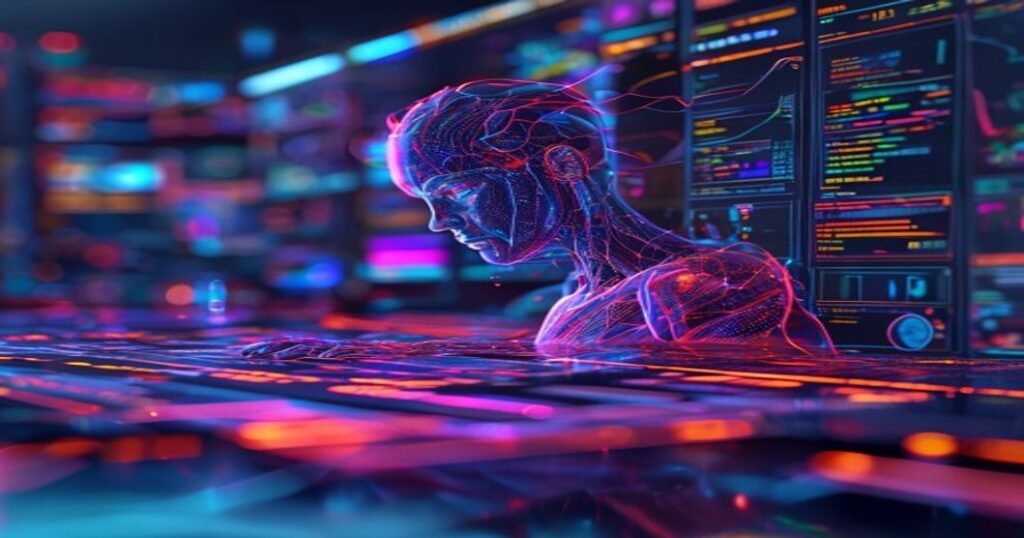

The AI Doctor in Your Pocket: How Intelligent Tech is Revolutionizing Your Health and Wellness Forever
Let’s be honest: for a long time, healthcare felt a bit like a one-size-fits-all garment that rarely fit anyone perfectly. You go to the doctor, they run some standard tests, maybe prescribe a common drug, and you hope for the best. It’s often reactive, treating problems *after* they’ve emerged, rather than preventing them. But what if I told you that era is rapidly becoming a relic of the past? What if the future of your health isn’t just about treating illness, but about understanding your unique biological blueprint, predicting potential issues before they surface, and tailoring every aspect of your wellness journey to *you*? I genuinely believe we’re standing at the precipice of such a transformation, and the engine driving this seismic shift is artificial intelligence.
Forget the dystopian sci-fi tropes; the AI we’re talking about in health isn’t here to replace doctors with robots (not yet, anyway!). Instead, it’s a powerful ally, an omnipresent analytical force that promises to elevate human care to unprecedented levels of precision and personalization. It’s moving beyond the clinic walls and embedding itself into our daily lives, making a profound impact on how we perceive, manage, and ultimately improve our health and wellness.
The Dawn of True Personalized Medicine: Your Unique Health Story
For decades, the concept of ‘personalized medicine’ was a grand, almost mythical aspiration. The idea was to tailor medical treatment to the individual characteristics of each patient. Sounds logical, right? Yet, executing it was incredibly complex. Our bodies are intricate ecosystems, influenced by an astounding array of factors: genetics, lifestyle choices, environmental exposures, gut microbiome, and even our emotional state. Analyzing all this data manually was an impossible task. Enter AI.
AI algorithms, armed with the ability to process colossal datasets at lightning speed, are finally making personalized medicine a tangible reality. Imagine a world where your doctor isn’t just guessing based on general population statistics, but is using AI to analyze your entire genomic sequence, your specific biomarkers, your diet and exercise habits tracked by wearables, and even environmental pollutants in your neighborhood. This isn’t just about tweaking a drug dosage; it’s about understanding the intricate dance of your biology and predicting how you’ll respond to specific treatments, or even what diseases you might be predisposed to develop. For instance, AI can help identify genetic markers that indicate a higher risk for certain cancers or cardiovascular diseases, allowing for proactive screening and lifestyle interventions years, even decades, before symptoms would traditionally appear. It’s like having a hyper-intelligent detective meticulously piecing together every clue to solve the mystery of *your* health.
Beyond the Clinic: AI for Proactive, Preventative Care
The beauty of AI in health isn’t confined to hospitals or specialist clinics. Its most transformative power might lie in shifting our focus from reactive treatment to proactive prevention. Wearable technology – smartwatches, rings, continuous glucose monitors – are no longer just fitness gadgets; they are sophisticated data collectors. They generate a continuous stream of biometric data: heart rate variability, sleep patterns, activity levels, oxygen saturation, and even early signs of stress or illness.
AI algorithms are the brains behind these operations, sifting through this constant flow of information to detect subtle anomalies that a human might miss. They can alert you to potential issues like an impending viral infection, a spike in stress levels, or even cardiac irregularities, often before you feel any symptoms. Think of it as an early warning system, always on duty, empowering you to take corrective action before a minor blip becomes a major problem. Beyond mere alerts, AI is powering digital coaching platforms that provide personalized recommendations for diet, exercise, and mental well-being, turning raw data into actionable insights for a healthier life.
Diagnosing the Undiagnosable and Accelerating Discovery
In the realm of diagnostics, AI is nothing short of revolutionary. Consider radiology or pathology, fields that rely heavily on human interpretation of complex images. AI-powered image recognition systems can analyze X-rays, MRIs, CT scans, and microscope slides with astounding accuracy and speed, often detecting anomalies that are too subtle for the human eye to catch, or identifying them significantly faster. This translates to earlier diagnoses for conditions like cancer, diabetic retinopathy, and neurological disorders, dramatically improving patient outcomes.
But AI’s brilliance doesn’t stop there. The pharmaceutical industry, notorious for its slow and incredibly expensive drug development cycles, is being fundamentally reshaped. AI can sift through vast databases of molecular structures, predict how compounds will interact with biological targets, and identify promising new drug candidates in a fraction of the time it would take traditional methods. This acceleration means we can bring life-saving medications to market faster and at potentially lower costs. It’s an incredible leap forward, promising breakthroughs in areas that have long stumped researchers, from new antibiotics to therapies for rare diseases.
The Ethical Maze and the Enduring Human Touch
Now, I know what you might be thinking: this all sounds amazing, but what about the downsides? And you’d be right to ask. The integration of AI into health isn’t without its challenges. Data privacy is, quite rightly, a huge concern. Who owns this incredibly intimate data about our bodies and minds? How is it secured? And how do we ensure it’s used ethically and responsibly? These are complex questions that require robust regulatory frameworks and continuous public dialogue.
Another critical consideration is bias. If the data used to train AI algorithms is inherently biased (e.g., predominantly from certain demographics), the AI’s recommendations could perpetuate or even amplify existing health disparities. Addressing these algorithmic biases is paramount to ensuring equitable healthcare for all. And then there’s the irreplaceable human element. While AI excels at analysis and prediction, it lacks empathy, compassion, and the nuanced understanding of individual human suffering. The doctor-patient relationship, built on trust and human connection, will always remain central. AI, in my opinion, should serve as an invaluable co-pilot, empowering healthcare professionals with superior tools, not replacing their intrinsic human role.
The Entrepreneurial Frontier: A Health Tech Gold Rush
The implications of this AI health revolution for startups and entrepreneurs are colossal. This isn’t just an upgrade; it’s a complete reimagining of an entire sector. Traditional healthcare institutions are often slow to adapt, creating a fertile ground for agile startups to innovate and disrupt. We’re seeing an explosion of companies leveraging AI for everything from mental health chatbots and personalized nutrition apps to sophisticated diagnostic tools and drug discovery platforms. For startups, this isn’t just an opportunity; it’s an existential wave. Those that don’t ride it risk being left behind, much like The AI Tsunami: Why Startups That Don’t Ride This Wave Will Drown (And How Yours Can Thrive!) has vividly illustrated in broader tech landscapes. The healthcare landscape, like many others, is experiencing The AI Earthquake: Why Your Job, Your Future, and Your Kids’ Education Will Never Be the Same, demanding a complete rethinking of traditional models and opening doors for innovative solutions.
This massive shift also means that skills in data science, AI ethics, and interdisciplinary collaboration between health and tech will be more valuable than ever. The implications of AI aren’t confined to diagnostics or drug discovery; they extend to how we learn and adapt to these new paradigms, mirroring discussions around Unlocking Tomorrow’s Minds: How AI is Redefining Education and Preparing Students for an Unpredictable Future. This isn’t a future possibility; it’s a present reality, as we’ve seen how The AI Avalanche: Why Intelligent Machines Aren’t Coming, They’ve Already Changed Everything for Startups!, fundamentally altering how businesses operate and how services are delivered, especially in critical sectors like health.
The Future is Healthy, Personalized, and Powered by AI
The journey into AI-powered health is just beginning, but its trajectory is clear: a future where healthcare is no longer a reactive response to illness, but a proactive, deeply personalized journey towards lifelong wellness. It’s a future where your genetic code, your daily habits, and even your environment converge to create a holistic picture of your health, accessible and understandable thanks to intelligent technology.
While challenges remain, particularly around ethics, data security, and ensuring equitable access, the promise of AI to extend healthy lifespans, revolutionize diagnostics, and personalize care is too profound to ignore. As someone passionate about innovation, I can’t help but feel incredibly optimistic. This isn’t just about longer lives; it’s about richer, healthier, and more informed lives. The AI doctor may not be physically in your pocket, but its intelligence is rapidly becoming the invisible, powerful force guiding you toward your healthiest self.


