
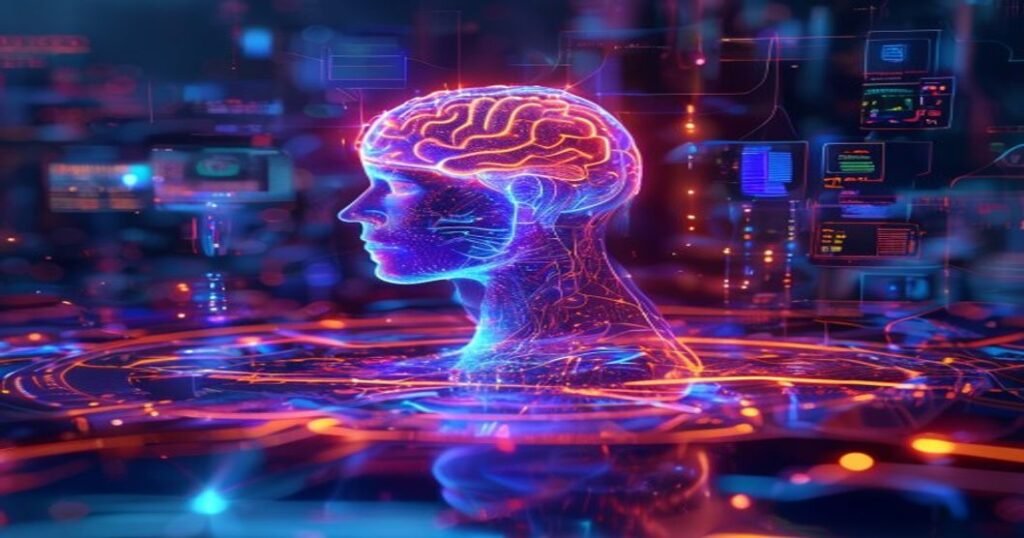

For far too long, healthcare has felt like a grand, impersonal lottery. You walk into a clinic, a doctor reviews your symptoms, perhaps orders a few standard tests, and then prescribes a treatment that’s statistically proven to work for ‘most’ people. But here’s the thing: you’re not ‘most people.’ You are an incredibly complex, unique biological system, influenced by your genetics, lifestyle, environment, and even your mood. And frankly, I’ve always found it baffling that a system so crucial to our existence has operated on such a one-size-fits-all premise.
But brace yourselves, because that era is rapidly coming to an end. We are standing at the precipice of a healthcare revolution, one driven by an unseen force that’s transforming every facet of our lives: Artificial Intelligence. AI isn’t just optimizing logistics or making search engines smarter; it’s delving deep into the very core of our being, promising a future where healthcare is as unique as your fingerprint. And honestly, it’s about time.
The End of the Average Patient: Why Personalization Matters
Think about it: a drug that works wonders for one person might have debilitating side effects for another. A diet plan that helps your friend shed weight could leave you feeling sluggish. This isn’t because you’re doing something wrong; it’s because biological responses are incredibly individual. Traditional medicine, by necessity, has often focused on population-level data, trying to find the broadest solutions. This approach has saved countless lives, no doubt, but it also leaves a massive gap for truly optimizing individual health.
Enter AI, the ultimate pattern recognition machine. What makes AI such a powerful tool in health is its ability to sift through mountains of data – genetic codes, lifestyle choices, environmental exposures, historical medical records, even your sleep patterns from a wearable device – and identify connections that would be impossible for a human mind to process. This isn’t just about making incremental improvements; this is about fundamentally rebuilding our entire world, starting with how we understand and manage health.
From Reactive to Proactive: AI’s Predictive Power
One of the most exciting shifts AI brings is moving healthcare from a reactive model (fixing problems after they occur) to a proactive, preventative one. Imagine knowing your individual risk for certain diseases years, even decades, before symptoms appear. That’s not science fiction; it’s rapidly becoming reality.
Early Detection and Risk Assessment
- Genomic Analysis: AI can analyze your DNA to identify predispositions to conditions like certain cancers, heart disease, or even adverse drug reactions. This isn’t about fear-mongering; it’s about empowerment. Knowing your genetic blueprint allows for highly targeted preventative measures.
- Medical Imaging: AI algorithms are already proving to be more accurate and faster than human eyes at detecting subtle anomalies in X-rays, MRIs, and CT scans, spotting tumors or early signs of disease that might otherwise be missed. This capability is critical for conditions where early intervention drastically improves outcomes.
- Predictive Analytics: By crunching data from electronic health records, AI can predict patient deterioration in hospitals, flag individuals at high risk for readmission, or even anticipate outbreaks of infectious diseases within communities.
Tailored Treatments: The Dawn of Precision Medicine
Once AI has a comprehensive understanding of your health profile, it can then help design treatments that are truly personalized. This is where the term ‘precision medicine’ really comes to life.
Drug Development and Dosing
For decades, drug discovery has been a slow, expensive, and often frustrating process. AI is dramatically accelerating this by simulating molecular interactions, identifying potential drug candidates, and predicting their efficacy and side effects long before they reach clinical trials. Furthermore, for existing medications, AI can help determine the optimal dosage for an individual based on their unique metabolism, genetic makeup, and other health factors, minimizing side effects and maximizing effectiveness. This isn’t just about finding new cures; it’s about making existing ones work better, precisely for you.
Personalized Lifestyle Interventions
It’s not all about pills and procedures. AI is also incredibly powerful in guiding lifestyle choices. Wearable devices, often powered by AI, continuously collect data on your activity levels, sleep quality, heart rate, and even stress levels. AI then analyzes this data to provide personalized recommendations:
- Customized Nutrition Plans: Based on your metabolic rate, activity, and even gut microbiome data, AI can suggest meal plans that are optimized for your health goals.
- Exercise Regimens: Forget generic workout plans. AI can design dynamic exercise routines that adapt to your fitness level, recovery rate, and preferences, preventing injury and maximizing results. Think of how AI is being used as The Unseen Game-Changer: How AI is Stealthily Rewriting the Future of Every Sport You Love – the same principles apply to personal wellness, just on a different scale.
- Stress Management: AI can detect patterns in your physiological data that indicate rising stress and suggest timely interventions, whether it’s a guided meditation, a breathing exercise, or simply reminding you to take a break.
Beyond the Physical: AI and Mental Health
The applications of AI in health aren’t limited to physical ailments. Mental health, a category often overlooked or undertreated, is also seeing a significant transformation. AI-powered chatbots and virtual therapists are providing accessible, stigma-free support, offering cognitive behavioral therapy (CBT) techniques, mindfulness exercises, and emotional regulation strategies. These tools can monitor subtle changes in language patterns or voice tone to detect early signs of depression or anxiety, prompting users to seek professional help.
Even more profoundly, advancements in neurotechnology, where AI plays a central role, are paving the way for revolutionary treatments for neurological disorders. While still in early stages, the concept of Mind Over Matter: The Radical Future of Brain-Computer Interfaces and Why Your Brain Might Soon Be Online hints at a future where AI directly assists in managing conditions like Parkinson’s, epilepsy, or even severe depression through precise neural modulation.
The AI-First Revolution in Health Startups
It’s no surprise that this seismic shift is being spearheaded by innovative startups. We are witnessing The AI-First Revolution: How Startups Are Not Just Using AI, But *Are* AI. These companies aren’t just adding AI as a feature; their entire business model and value proposition are built around AI’s capabilities. From AI-powered diagnostic platforms to virtual health assistants and personalized wellness apps, these startups are agile, disruptive, and moving at a breathtaking pace, pushing the boundaries of what’s possible in health and making it accessible to more people than ever before.
Challenges and the Human Element
Of course, this isn’t without its complexities. Ethical considerations surrounding data privacy, algorithmic bias, and the potential for a ‘black box’ approach to health decisions are paramount. We must ensure that AI tools are transparent, equitable, and always remain subservient to human oversight. The human connection with healthcare professionals will always be irreplaceable; AI is a powerful assistant, not a replacement for empathy and expert judgment.
The Future is Now, and It’s Personal
The promise of AI in health is not just about extending lifespans, though that’s certainly a part of it. It’s about enhancing ‘healthspans’ – the number of years we live in good health, free from chronic disease and disability. It’s about empowering individuals with unprecedented insight into their own bodies, allowing them to make informed choices that truly align with their unique biological needs.
We are entering an era where your health journey will be a conversation between you, your doctor, and an intelligent system that understands you better than any medical professional ever could before. This isn’t just an exciting development; I believe it’s the most profound transformation healthcare has seen in centuries. Get ready to experience healthcare that truly sees you, for you.


