
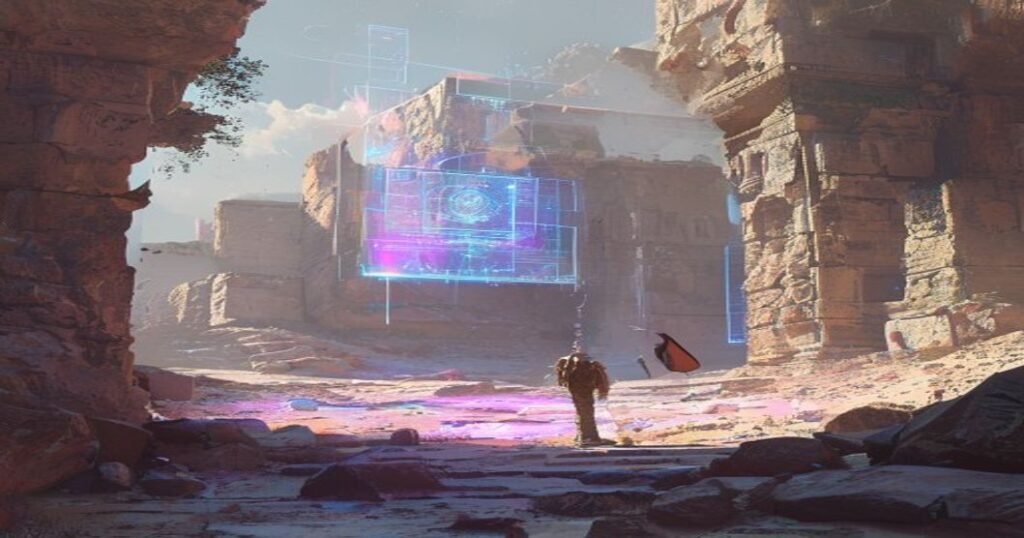

Remember the good old days of travel? Dog-eared guidebooks, endless spreadsheets, and the thrill (or dread) of the unknown? Well, buckle up, because the world of travel isn’t just evolving; it’s undergoing a seismic shift, powered by an incredible blend of human wanderlust and cutting-edge technology. We’re not just booking trips anymore; we’re crafting bespoke experiences, seeking deeper connections, and demanding journeys that transform us. And honestly, it’s about time.
Beyond the Postcard: Why We Travel Now
For too long, travel was often seen as a checklist: visit the Eiffel Tower, snap a photo, move on. But a profound change has swept through the traveler’s mindset. Now, it’s less about ticking off landmarks and more about diving headfirst into local cultures, embracing sustainable practices, and returning home not just with souvenirs, but with new perspectives. People are hungry for authenticity, for stories, for moments that resonate long after the flight lands.
This isn’t a fleeting trend; it’s a foundational shift. Travelers want to feel, to learn, to contribute, and to truly experience a place, not just observe it. They’re seeking journeys that challenge their assumptions, expand their horizons, and offer a sense of personal growth. This pursuit of ‘transformative travel’ is at the heart of the latest movements in the industry, and guess what? Technology, particularly Artificial Intelligence, is playing an increasingly pivotal role in making these dreams a reality.
Your Ultimate Co-Pilot: AI and the Art of Personalization
Gone are the days of generic travel packages. AI is swiftly becoming our most invaluable co-pilot, transforming travel planning from a chore into an exciting collaborative process. Imagine an assistant that knows your dietary preferences, your preferred pace of travel, your passion for obscure historical facts, and your secret desire to learn pottery in a remote village. AI can sift through unimaginable amounts of data – reviews, blogs, local events, even weather patterns – to craft itineraries that feel uniquely yours.
It’s not just about finding the cheapest flight or hotel; it’s about curating an entire narrative for your trip. AI-powered platforms can suggest hidden gems, recommend off-the-beaten-path experiences, and even predict your interests based on past behaviors, often before you even realize them yourself. This isn’t replacing human creativity; it’s augmenting it. It’s allowing us to focus on the joy of anticipation and discovery, rather than the tedious logistics. In fact, you could argue that the human-AI duet is singing louder than ever in the travel sphere, allowing us to dream bigger and plan smarter.
Seamless Journeys: From Booking to Border Control
- Hyper-Personalized Itineraries: AI learns your preferences and builds bespoke plans.
- Dynamic Pricing & Best Deals: Algorithms predict optimal times to book flights and accommodations.
- Real-time Assistance: AI chatbots provide instant answers, language translation, and local tips on the go.
- Predictive Analytics: Foreseeing potential travel disruptions and suggesting alternatives.
The Road Ahead: Smarter, Greener, More Autonomous Travel
The journey itself is undergoing a revolution. Think beyond traditional planes, trains, and automobiles. We’re on the cusp of a future where how we get from point A to point B is just as exciting as the destination. The automotive industry, for instance, is in the midst of a massive transformation. The shift towards electric and autonomous vehicles isn’t just about cleaner air; it’s about redefining the road trip, making long drives more comfortable, safer, and perhaps even productive.
Imagine embarking on a cross-country adventure in a self-driving EV, where the ‘driver’ can actually enjoy the scenery, read, or work, rather than being glued to the wheel. This fundamental change in transportation methods has massive implications for how we explore, making remote locations more accessible and local excursions more engaging. It’s part of the wild ride towards electric and autonomous vehicles that’s shaking up everything we know, even in the travel domain.
Immersive Experiences: Where Tech Elevates the Local
Beyond planning and transport, technology is enhancing the experience on the ground. Augmented Reality (AR) apps can bring ancient ruins to life, overlaying historical reconstructions onto your real-time view. Virtual Reality (VR) is offering ‘try before you buy’ experiences, letting you explore a hotel or a hiking trail from your living room before committing. But crucially, these tools aren’t meant to isolate us; they’re designed to deepen our engagement with the world around us.
Consider language barriers: real-time translation apps are fostering better communication between travelers and locals, leading to richer cultural exchanges. Furthermore, the rise of the gig economy, powered by technology, has enabled local experts to offer unique tours, cooking classes, and workshops that truly immerse visitors in their culture. This isn’t just good for travelers; it’s creating new economic opportunities for communities worldwide. It’s a powerful example of how the AI tsunami is causing jobs to evolve, not disappear, opening up new avenues for local entrepreneurship in tourism.
Sustainable Journeys: Traveling with a Conscience
As our wanderlust grows, so does our awareness of our environmental and social footprint. Sustainable travel isn’t just a buzzword; it’s a moral imperative. Travelers are actively seeking out eco-friendly accommodations, supporting local businesses directly, and making conscious choices to minimize their impact. Here again, technology is a game-changer.
AI-powered platforms can recommend hotels with strong sustainability ratings, track carbon emissions for different travel options, and even connect you with organizations working on conservation projects in your destination. From smart waste management in resorts to tracking wildlife populations for responsible eco-tourism, tech is a powerful ally. For instance, in the realm of wildlife safaris, AI is being deployed for everything from monitoring animal health to preventing poaching, making it clear that the AI whisperer is actively rewriting the future of animals, which directly impacts the ethics and viability of wildlife tourism.
We’re moving towards a future where transparency about a trip’s environmental and social impact is readily available, empowering travelers to make more responsible choices. This shift isn’t just about saving the planet; it’s about enriching the travel experience by aligning it with personal values.
The Digital Nomad’s World: When Travel Becomes a Lifestyle
The global pandemic, ironically, accelerated a trend that was already bubbling: remote work. This has given rise to the ‘digital nomad’ – individuals who blend work and travel, living in different countries for extended periods. For these adventurers, travel isn’t a vacation; it’s a lifestyle. This demographic demands robust internet infrastructure, comfortable co-working spaces, and communities of like-minded individuals. Cities and even entire countries are now actively vying for digital nomads, recognizing the economic and cultural benefits they bring.
AI and collaboration tools are crucial for these mobile professionals, allowing them to stay connected to their jobs and client base from anywhere in the world. This synergy between technology and a flexible work culture is not just redefining where we work, but where we live, and how we experience the world on a deeper, more extended basis.
The Human Element: Serendipity and the Soul of Travel
While technology is undeniably shaping the future of travel, it’s vital to remember that it’s an enabler, not a replacement for the human spirit of adventure. The most profound travel moments often emerge from serendipity, from unexpected encounters, and from stepping outside the perfectly curated itinerary. The breathtaking view you stumble upon, the stranger who shares a meal, the moment you get delightfully lost – these are the memories that truly stick.
My take? We need to embrace technology’s incredible power to streamline logistics, personalize experiences, and foster sustainability, but always leave room for the unplanned. The magic of travel lies in its ability to surprise us, to challenge us, and to connect us, not just with places, but with people. AI can guide us to the right path, but it’s our own curiosity and openness that will make the journey truly transformative.
A World of Infinite Possibilities
The future of travel is bright, exciting, and filled with possibilities that were once confined to science fiction. From hyper-personalized itineraries powered by AI to eco-conscious journeys enabled by smart tech, and from autonomous vehicles redefining road trips to digital nomadism reshaping global communities, we’re entering an era where travel is more accessible, more meaningful, and more transformative than ever before. So, what’s stopping you? The world, quite literally, is at your technologically-enhanced fingertips. Go explore, go connect, and let your next journey be nothing short of extraordinary.


