
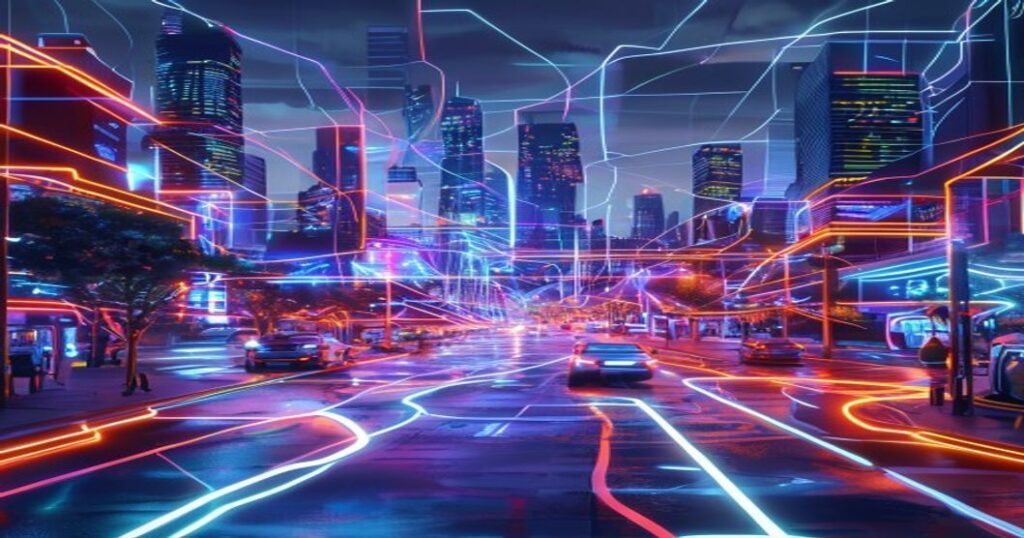

The Electric Revolution: Why EVs Are Not Just Cars, But the Heartbeat of a New Future
Alright, let’s be honest. For years, the idea of electric vehicles (EVs) felt a bit… distant, didn’t it? Like something out of a sci-fi movie, cool in concept but not quite ready for prime time. Range anxiety was a genuine concern, charging stations were a rarity, and the price tag often made even the most eco-conscious among us wince. But if you’ve been paying attention lately, you’ll know that narrative is rapidly becoming as outdated as dial-up internet.
What we’re witnessing now isn’t just an automotive trend; it’s a seismic shift, a full-blown revolution that’s redefining not just how we move, but how we power our lives, interact with technology, and even conceptualize our cities. The electric vehicle isn’t just a car anymore; it’s a rolling supercomputer, a power bank on wheels, and perhaps most importantly, the tangible spearhead of a sustainable future. And trust me, you’re going to want to be part of this ride.
Beyond the Plug: The Charging Infrastructure Awakening
Remember when finding a gas station on a long road trip was a minor inconvenience? Now, imagine that magnified by a thousand for EVs just a few years ago. That nightmare scenario is quickly fading into history. Charging infrastructure is exploding, evolving from simple wall sockets to sophisticated, high-speed networks. We’re talking about ubiquitous public chargers at malls, workplaces, highways, and even street corners. Companies are innovating with ultra-fast charging, battery swapping stations, and even inductive charging roads that could juice up your car as you drive!
But it’s not just about more plugs; it’s about smarter plugs. The integration of EVs with the broader energy grid is where the real magic happens. Imagine your car not just taking power from the grid, but giving it back during peak demand times, helping stabilize our energy supply. This Vehicle-to-Grid (V2G) technology is no longer a pipe dream; it’s becoming a crucial component of future smart cities, turning every EV into a mobile energy storage unit. This level of interconnectedness, where devices seamlessly communicate and adapt, is a prime example of how The AI Chameleon is not just a tool, but the very fabric of our digital world, orchestrating complex systems in the background.
The Driving Experience: Silence, Speed, and Smarts
Let’s talk about the actual act of driving an EV. If you haven’t tried it, you’re missing out. The instant torque is addictive – push the pedal, and you’re gone, silently gliding forward with exhilarating speed. There’s no gear shifting, no engine noise, just a smooth, responsive journey. It feels futuristic, almost alien, compared to the rumble and roar of internal combustion engines.
But the experience extends far beyond the quiet acceleration. Modern EVs are packed with an incredible array of technology. Think advanced driver-assistance systems (ADAS), self-parking features, and over-the-air updates that literally improve your car’s performance and features overnight. The infotainment systems are more akin to tablets than car radios, offering seamless connectivity, navigation, and entertainment options. We’re moving towards a future where the car isn’t just transportation, but a connected, personalized space. This evolution of in-car experience, with its rich digital interfaces and potential for augmented reality overlays on our drives, really pushes the boundaries of what we consider ‘driving’. It makes you wonder how soon our commutes will feel more like an interactive simulation, much like how gaming is forging the path to the metaverse, blending digital and physical realities.
Economic Tailwinds and the Startup Surge
The EV revolution isn’t just good for the environment; it’s a massive economic engine. New industries are sprouting up: battery recycling, specialized repair shops, charging network operators, and software developers creating apps for everything from route planning to energy management. Traditional automotive giants are pouring billions into electrification, while a new wave of innovative startups is challenging the status quo with disruptive technologies and business models.
This isn’t just about Tesla anymore; it’s about Rivian, Lucid, Nio, and countless smaller players pushing the boundaries in battery chemistry, charging speed, autonomous features, and vehicle design. The global competition is fierce, driving down costs and accelerating innovation at an unprecedented pace. For entrepreneurs and investors, the EV space represents a phenomenal opportunity. It’s truly The AI Gold Rush, but for batteries, motors, and smart mobility solutions. The potential for wealth creation and societal impact is immense, attracting brilliant minds and significant capital.
The Environmental Imperative and Energy Independence
Let’s not forget the ‘why’ behind much of this transition: climate change. EVs, especially when powered by renewable energy sources, drastically reduce tailpipe emissions, leading to cleaner air in our cities and a significant reduction in our carbon footprint. This isn’t just about feeling good; it’s about tangible health benefits and preserving our planet for future generations. The environmental argument alone is compelling enough to drive this change, but the added benefits of performance and technological advancement make it irresistible.
Furthermore, the shift to EVs offers a pathway to greater energy independence for many nations. By reducing reliance on fossil fuels, countries can diversify their energy portfolios and insulate themselves from volatile global oil markets. This strategic advantage, combined with the push for sustainable energy, creates a powerful feedback loop accelerating the adoption of electric transport.
Overcoming the Hurdles: The Road Ahead
Of course, no revolution is without its challenges. The transition to a fully electric fleet isn’t instantaneous. We need to continuously expand and upgrade our electrical grids to handle the increased demand, ensure responsible sourcing of raw materials for batteries, and address concerns around affordability for all income levels. Battery recycling technologies also need to scale to handle the eventual end-of-life of millions of EV batteries.
However, these challenges are being met head-on by governments, industry leaders, and researchers alike. Investments in grid modernization, advancements in battery technology (solid-state batteries, anyone?), and innovative financing models are all part of the solution. The trajectory is clear: the commitment to an electric future is unwavering.
The Future is Now, and It’s Electric
The electric vehicle revolution is no longer a futuristic concept; it’s here, it’s happening, and it’s picking up speed every single day. From the silent hum of a luxury sedan to the zippy acceleration of a city commuter, EVs are redefining what it means to drive. They are cleaner, smarter, and incredibly fun. They are transforming our urban landscapes, reshaping our energy grids, and creating entirely new economic opportunities.
So, if you’re still on the fence, I urge you to take an EV for a spin. Feel the instant torque, experience the quiet cabin, and imagine a world free from tailpipe emissions. This isn’t just about buying a new car; it’s about embracing a pivotal moment in human history, a leap towards a more sustainable, technologically advanced, and frankly, more exciting future. The heartbeat of a new future is electric, and it’s getting stronger with every mile.


