
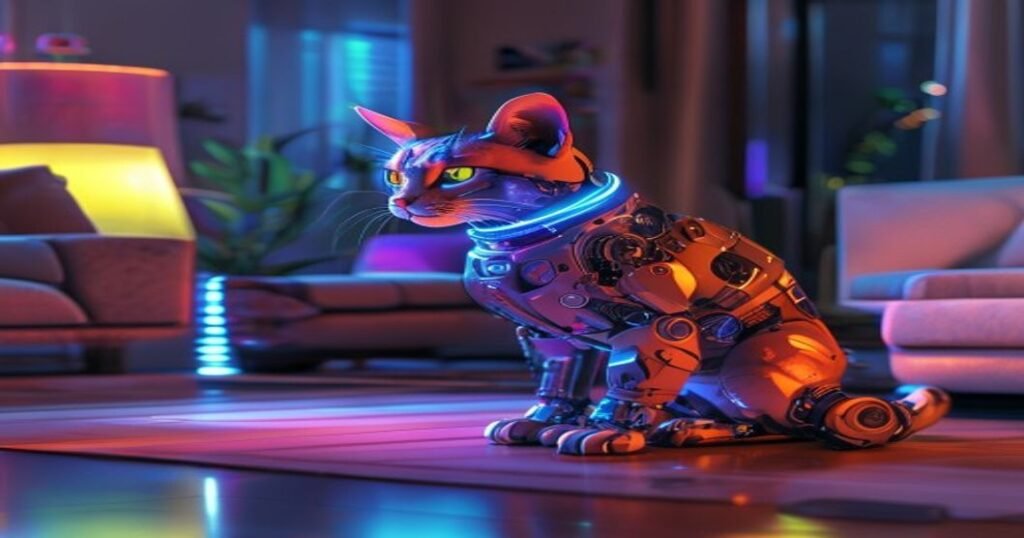

Remember when a pet’s ‘tech’ amounted to an automatic feeder that occasionally jammed, or maybe a fancy laser pointer? Ah, those simpler times! Fast forward to now, and our furry, feathered, and scaled companions are living in a world increasingly augmented by artificial intelligence. From collars that track vital signs to apps that analyze barks and meows, AI isn’t just knocking on the door of our homes; it’s practically moved in, set up shop, and started teaching Fido new tricks.
As a seasoned tech enthusiast and an unapologetic animal lover, I’ve watched this trend with a mix of awe and a healthy dose of skepticism. Are we truly building better lives for our pets, or are we just projecting our gadget-obsessed tendencies onto them? Let’s dive into the fascinating, sometimes perplexing, world of AI in pet care.
The Dawn of Digital Companionship: More Than Just a Pretty Gizmo
It’s no secret that AI is everywhere now, fundamentally redefining industries and daily life. Indeed, The AI Revolution is Here: Why Intelligent Machines Are Redefining Our World, and its influence on our furry friends is just one fascinating facet. The pet tech market is exploding, fueled by our unwavering love for our animals and our desire to give them the best possible lives. But what does ‘best’ mean when we introduce algorithms and sensors into the mix?
Initially, pet tech was about convenience: self-cleaning litter boxes, automatic water fountains, and GPS trackers for adventurous pups. Useful, yes, but not exactly ‘intelligent.’ The real game-changer came with the integration of AI and machine learning, allowing devices to not just automate tasks but to understand, predict, and even respond to our pets’ needs.
AI’s Paw Prints: Where Technology Meets Tail Wags
-
Advanced Health Monitoring: The Wearable Revolution for Pets
Imagine a smart collar that constantly monitors your dog’s heart rate, sleep patterns, and activity levels, sending alerts to your phone if something seems off. This isn’t science fiction; it’s current tech. AI algorithms analyze vast datasets of animal physiology, identifying subtle changes that might indicate illness long before a human eye would notice. This early detection can be life-saving, allowing for proactive veterinary intervention. It’s like having a miniature, personalized vet assistant around the clock.
-
Behavioral Insights: Understanding the Unspoken Language
Ever wondered what your cat is *really* thinking? AI-powered cameras and audio sensors are attempting to decode the mysteries of animal behavior. These devices can differentiate between types of barks, analyze facial expressions (yes, even for pets!), and identify unusual patterns of movement. They can alert owners to separation anxiety, aggression, or even simply a need for more playtime. For busy pet parents, this offers an invaluable window into their companion’s emotional world, fostering a deeper bond rooted in understanding.
-
Smart Feeders and Personalized Nutrition: A Tailored Diet for Every Pet
Gone are the days of guessing portion sizes. AI-driven feeders dispense precise amounts of food based on your pet’s age, weight, activity level, and even breed-specific dietary needs. Some systems even integrate with vet records, adapting the diet as recommended. This level of personalization helps combat obesity, manage allergies, and ensure optimal nutrient intake, contributing directly to a longer, healthier life.
-
Interactive Entertainment & Training: Keeping Minds and Paws Busy
For pets left alone during the day, loneliness and boredom can be major issues. AI-powered toys offer interactive engagement, from treat-dispensing puzzles that adapt to your pet’s learning curve to robotic companions that play fetch. Remote cameras with two-way audio allow owners to check in, chat, and even dispense treats from anywhere. It’s peace of mind for the human and mental stimulation for the pet.
The Ethical Quandary: Are We Crossing a Line?
While the benefits of AI in pet care are compelling, it’s not all wagging tails and purring engines. Just as humanity grapples with complex questions surrounding Driverless Dream or Autonomous Nightmare? The Road Ahead for Self-Driving Cars, we’re now confronting similar dilemmas in trusting AI with the well-being of our animal companions.
The Good: Unquestionable Advantages
- Enhanced Welfare: From early disease detection to mitigating loneliness, AI genuinely has the potential to improve pets’ quality of life.
- Peace of Mind: For owners, especially those with demanding schedules or pets with special needs, smart tech offers reassurance and the ability to be more proactive in care.
- Deeper Connection: By providing insights into behavior and health, AI can help owners understand their pets better, strengthening the human-animal bond.
The Bad: The Unseen Costs
- Over-reliance and Deskilling: Are we at risk of outsourcing our intuition and observational skills to algorithms? The best pet care still comes from a human connection, not just data points.
- Data Privacy and Security: Pet data might seem innocuous, but imagine the implications if behavioral patterns or health records were compromised or misused.
- Cost and Accessibility: Cutting-edge pet tech can be expensive, creating a divide between those who can afford ‘optimal’ care and those who cannot.
- The Gadget Trap: Are we buying solutions to real problems or simply indulging our own desire for the latest tech, irrespective of actual animal need?
The rapid adoption of AI across all sectors, from finance to pet care, inevitably brings with it unseen challenges and ethical considerations. It makes one ponder whether, like The Ghost of Empires Past, we might be overlooking subtle shifts in our relationship with nature and our companions, shifts that could have profound long-term impacts on how we perceive and interact with other living beings.
The Future is Furred and Full of Algorithms
Looking ahead, the integration of AI into pet care is only going to deepen. We’ll likely see more sophisticated predictive analytics, where AI not only detects illnesses but can forecast potential health issues based on genetic predispositions and environmental factors. Hyper-personalized nutrition, dynamic training programs tailored in real-time by AI, and even robotic companions designed to provide company and stimulation are on the horizon.
This isn’t just a trend for the Silicon Valley elite. While the conversation often centers on Western markets, it’s crucial to remember that the digital future is global. The pace at which nations like Pakistan embrace these technological shifts, facing their own AI Crossroads, will undoubtedly shape how pet tech evolves and becomes accessible worldwide, potentially even leading to innovative, localized solutions for animal welfare.
The vision of a fully automated pet home, where AI manages everything from feeding to veterinary appointments, is tempting. But it also begs the question: What role do we, as humans, play then? Is the goal to replace human interaction with efficient algorithms, or to augment it?
A Call for Mindful Innovation
My take? AI in pet care, at its best, should serve as an enhancement, not a replacement. It should free us from mundane tasks and provide critical insights, allowing us to spend more quality time building genuine connections with our animal companions. It should empower us to be better, more informed pet parents, not less involved ones.
The real challenge lies in striking that delicate balance. We must ensure that our pursuit of technological advancement for pets doesn’t inadvertently diminish the very essence of pet ownership: the joy, the responsibility, the unpredictable moments, and the profound, unconditional love that no algorithm can ever truly replicate. Let’s use AI to make our pets’ lives better, but never forget that the most powerful ‘tech’ in a pet’s life is still a loving human heart.


