

Mind Over Machine: How Brain-Computer Interfaces Are Redefining Humanity’s Next Chapter
Imagine, for a moment, controlling a computer with nothing but your thoughts. Typing emails, navigating virtual worlds, even moving a prosthetic limb as if it were your own flesh and blood, all without lifting a finger or uttering a word. Sounds like something straight out of a cyberpunk novel, doesn’t it? Yet, this isn’t science fiction anymore. We are standing on the precipice of an era where Brain-Computer Interfaces (BCIs) are rapidly transitioning from the laboratory to the real world, promising to revolutionize everything from medicine to communication, and fundamentally altering our relationship with technology. And honestly, it’s both thrilling and a little terrifying.
As a seasoned observer of the tech landscape, I can tell you that few advancements hold the same raw, transformative power as BCIs. This isn’t just about making things more convenient; it’s about extending human capability, restoring lost function, and perhaps, eventually, merging our biological minds with the digital realm. The implications are staggering, and the journey we’re embarking on demands our keenest attention.
The Whisper of Thought: How BCIs Bridge Two Worlds
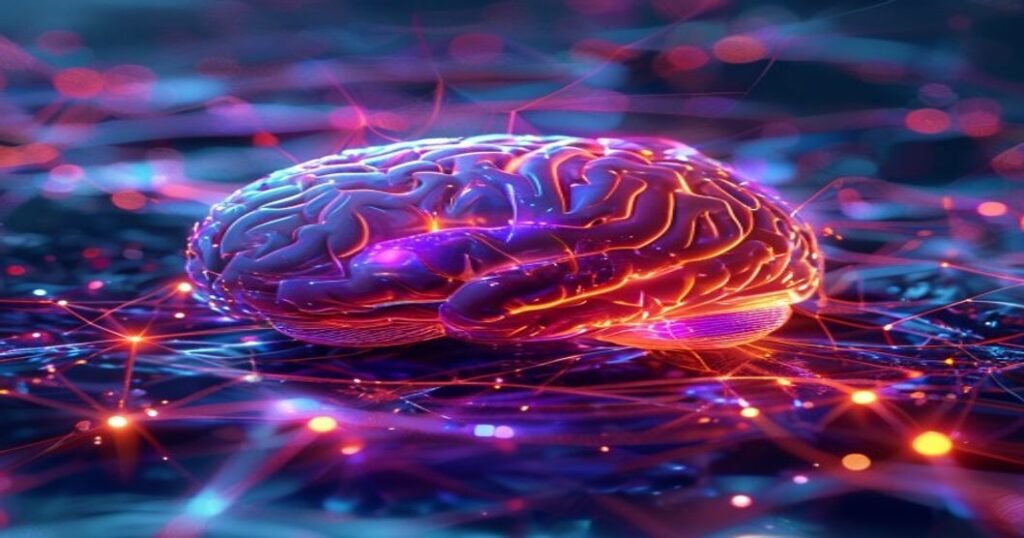
At its core, a Brain-Computer Interface is exactly what it sounds like: a direct communication pathway between a brain and an external device. It bypasses conventional muscle movements and verbal commands, instead translating neural signals into actionable outputs. Think about it: your brain generates electrical signals when you think, move, or feel. BCIs are designed to detect these signals, decode them, and then use that information to control something else. It’s like learning the secret language of the brain and then using it to speak to machines.
There are generally two types of BCIs: non-invasive and invasive. Non-invasive methods, like EEG (electroencephalography) headsets, sit on the scalp and detect brain activity. They’re easier to use and carry fewer risks, but their signal quality can be limited. Invasive BCIs, on the other hand, involve surgically implanting electrodes directly into the brain. While this sounds extreme, these devices offer incredibly precise and rich data, paving the way for truly astonishing applications.
From Restoring Function to Unleashing Potential: The BCI Revolution
The earliest and most profound successes of BCIs have been in the realm of assistive technology. For individuals living with paralysis or neurological disorders, BCIs are nothing short of miraculous. We’ve seen patients, once unable to move, control robotic arms with their thoughts, allowing them to drink coffee, feed themselves, or even shake a hand. Others, rendered speechless by conditions like ALS, can now communicate by typing on a screen, letter by letter, using only their mental commands. It’s a profound restoration of autonomy and connection, giving a voice back to those who lost it.
But the narrative doesn’t stop at therapy. The ambition of BCI technology stretches far beyond restoring lost capabilities. We’re now gazing at the horizon of human augmentation. Imagine enhancing cognitive function, improving memory, or even facilitating direct, high-bandwidth communication between minds. This is where the conversations get truly fascinating—and complex.
The drive to push boundaries, to innovate beyond our current limitations, is deeply ingrained in humanity. It’s a recurring theme throughout history, a kind of The Ghost in the Machine: How Humanity’s Ancient Drive for Innovation Echoes in Our AI Age. This ancient urge to innovate, to transcend our biological constraints, finds its latest and most potent expression in the burgeoning field of neurotechnology.
The AI Engine: The Unsung Hero of BCIs
While the electrodes and implants grab the headlines, it’s Artificial Intelligence that truly acts as the unsung hero, the indispensable interpreter of our thoughts. The raw brain signals captured by BCIs are incredibly complex, noisy, and highly individual. It’s not a simple one-to-one mapping; the brain doesn’t just broadcast ‘move hand’ in a clear signal. Instead, it’s a chaotic symphony of electrical impulses. This is where AI steps in.
Sophisticated machine learning algorithms are trained to identify patterns within these neural signals, distinguishing between thoughts intended for control and mere background brain activity. They learn to decode the subtle nuances, adapting to each individual’s unique brain signature, and constantly improving their accuracy. Without powerful AI, the dream of direct thought control would remain just that—a dream. In many ways, AI is the The Invisible Hand: How AI is Quietly Reshaping Every Choice You Make (And Why That’s a Big Deal) within the BCI ecosystem, silently translating intention into action.
Navigating the Ethical Labyrinth: Who Owns Your Thoughts?
With such incredible power comes an equally incredible responsibility. The advent of widespread BCI technology throws open a Pandora’s box of ethical dilemmas that we, as a society, must confront head-on. The questions are profound:
- Privacy and Security: If our thoughts can be accessed and translated, who owns that data? How do we prevent ‘brainjacking’ or the unauthorized interception of neural information?
- Identity and Autonomy: If a BCI can influence our decisions or emotions, how does that impact our sense of self? What happens if an external system malfunctions or is compromised?
- The Digital Divide: Will advanced BCIs become a luxury item, further widening the gap between those who can afford cognitive enhancement and those who cannot? Will a ‘neuro-elite’ emerge?
- Redefining Humanity: As we blend more intimately with technology, what does it mean to be human? Where do the boundaries between mind, machine, and identity blur?
These aren’t abstract philosophical musings; they are pressing concerns that demand immediate attention from ethicists, policymakers, and the public alike. The very notion of creativity and intellectual property could be transformed if thoughts can be directly translated and shared. It forces us to ask deep questions about The Creativity Conundrum: How Generative AI Is Forcing Us To Redefine Art, Work, and Even Ourselves, extending that challenge to the raw source of our ideas – our brains.
The Road Ahead: A Future Shaped by Thought
Looking forward, the trajectory of BCI development suggests a future where our interaction with the digital world is seamless and intuitive beyond anything we currently imagine. Imagine architects designing buildings purely with mental commands, musicians composing symphonies directly from their imagination, or surgeons performing delicate operations with enhanced precision guided by their thoughts. The potential for breakthroughs in medicine, education, and even space exploration is enormous.
Companies are pouring resources into this field, recognizing its vast potential. The ‘neurotech gold rush’ is already underway, attracting significant investment and innovation. While the current focus is largely on therapeutic applications, the commercial applications for everyday consumers are not far behind. Imagine a world where your smart devices respond not to your voice, but to your unspoken intent.
However, alongside the excitement, we must maintain a cautious and critical perspective. The path forward must prioritize safety, ethics, and equitable access. We must foster open dialogue and robust regulatory frameworks to ensure that this powerful technology serves humanity’s best interests, rather than exacerbating inequalities or compromising our fundamental rights.
Concluding Thoughts: A New Frontier of Self
Brain-Computer Interfaces represent more than just another technological leap; they are a profound exploration into the very essence of human identity and potential. They challenge our definitions of ability, communication, and even consciousness. As we stand at the threshold of truly connecting our minds to machines, we are presented with an unprecedented opportunity – and responsibility – to shape a future where technology empowers us in ways we’ve only ever dreamed of.
It’s a future where thought is action, where imagination is directly translated, and where the line between what is ‘us’ and what is ‘tool’ becomes increasingly blurred. The journey will be complex, filled with both awe-inspiring progress and difficult ethical considerations. But one thing is certain: the future of humanity, intertwined with the future of BCIs, is going to be incredibly interesting.


