
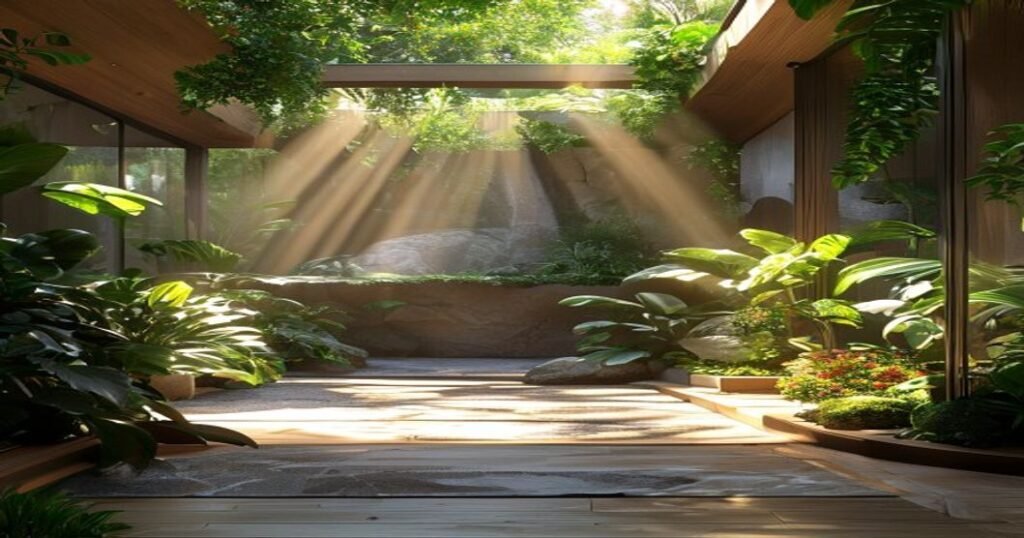

Green Retreats: How Biophilic Design & Smart Sustainability Are Reshaping Our Homes (And Our Lives!)
Ever walked into a space and instantly felt a sense of calm, a whisper of the outdoors, even if you were miles from the nearest forest? Chances are, you’ve experienced the subtle magic of biophilic design. It’s more than just putting a plant in a corner; it’s a profound philosophy that’s sweeping the interior design world, perfectly fusing with the urgent call for sustainable living. We’re not just decorating our homes anymore; we’re cultivating sanctuaries, living ecosystems, and smart havens that nourish our well-being and respect our planet. And honestly, it’s about time we did.
As a content creator obsessed with the intersection of innovation and lifestyle, I’ve watched this trend blossom from a niche concept into a mainstream movement. It’s no longer a luxury for the privileged few; it’s becoming a fundamental expectation for modern living. Our homes are evolving into green retreats, intelligently designed to foster health, happiness, and harmony with nature. Let’s dive deep into why this transformation isn’t just a passing fad, but a foundational shift in how we conceive our personal spaces.
The Call of the Wild: Embracing Biophilic Design
At its heart, biophilic design is simple: it’s the innate human tendency to connect with nature, applied to our built environments. Think about it. Our ancestors lived amidst trees, by rivers, under open skies. Our DNA is hardwired for natural landscapes. Yet, in our increasingly urbanized world, we spend a staggering 90% of our lives indoors. This disconnection has profound implications for our mental and physical health.
Enter biophilia. It’s about bringing the outside in, yes, but with intention. It’s about designing spaces that mimic natural patterns, harness natural light, incorporate natural materials, and create a sense of refuge and exploration. We’re talking about more than just houseplants (though those are certainly a part of it!).
Key Elements of a Biophilic Home:
- Direct Connection to Nature: Living walls, indoor gardens, water features, abundant natural light, views of greenery.
- Indirect Connection to Nature: Natural materials (wood, stone, cork), natural colors and textures, patterns and forms inspired by nature, natural ventilation, images of nature.
- Spatial Configuration: Creating spaces that offer both refuge (places to retreat and feel safe) and prospect (views to survey one’s surroundings), mimicking natural environments.
- Sensory Richness: Incorporating natural sounds, smells, and varied tactile experiences.
The benefits are truly remarkable. Studies consistently show that exposure to biophilic elements can reduce stress, improve cognitive function and creativity, enhance mood, accelerate healing, and even boost productivity. Imagine waking up in a bedroom filled with dappled sunlight, surrounded by the calming greens of carefully chosen plants, feeling utterly refreshed. That’s the power we’re tapping into.
The Green Revolution Indoors: Sustainable Living at Home
Hand-in-hand with biophilic design comes sustainable living. It’s a natural partnership. If we’re going to create homes that connect us to nature, shouldn’t those homes also be kind to nature? Absolutely. This isn’t just about feeling good; it’s about doing good for the planet.
Sustainable interior design is a holistic approach, considering the entire lifecycle of products and materials used in our homes. It’s a conscious effort to minimize environmental impact, reduce waste, conserve resources, and promote healthy indoor air quality. It’s a movement towards mindful consumption and responsible creation.
Pillars of Sustainable Interior Design:
- Eco-Friendly Materials: Opting for reclaimed wood, bamboo, cork, recycled glass, low-VOC paints, organic cottons, hemp, and wool. These materials often have a lower carbon footprint and contribute to healthier indoor air.
- Energy Efficiency: Maximizing natural light, using LED lighting, investing in energy-efficient appliances, and ensuring proper insulation. Smart home systems play a huge role here, allowing precise control over heating, cooling, and lighting.
- Waste Reduction: Upcycling and repurposing furniture, choosing durable items that last, and prioritizing local sourcing to reduce transportation emissions.
- Water Conservation: Installing low-flow fixtures, considering greywater systems for irrigation, and choosing native, drought-resistant plants for any outdoor (or even indoor) landscaping.
It’s a misconception that sustainable design is always more expensive or less aesthetically pleasing. On the contrary, many sustainable materials offer unique textures and character, and the long-term savings from energy efficiency can be substantial. It’s an investment in your home, your health, and our collective future.
The AI Connection: Designing the Intelligent, Green Home
Now, here’s where things get really exciting. While biophilic and sustainable design are rooted in natural principles, they’re getting a powerful boost from the very edge of technological innovation: Artificial Intelligence. I know, you might think AI is about robots and complex algorithms, but its impact is becoming profoundly personal, even in the tranquil corners of our homes. In fact, you might be surprised to learn just how pervasive and impactful AI already is. If you’re curious about the broader implications, I highly recommend checking out Your World, Reimagined: The Unstoppable Global Force of AI and Its Mind-Blowing Impact – it really puts things into perspective.
How does AI fit into our green retreats? In countless ways, from the macro to the micro. Imagine an AI-powered design tool that analyzes your home’s orientation, local climate data, and your personal preferences to recommend optimal plant placement for air quality, window treatments for thermal regulation, and material choices that minimize environmental impact. These tools are no longer science fiction; they’re here, streamlining the design process and making sustainable choices more accessible.
AI’s Role in a Smarter, Greener Home:
- Personalized Environments: AI learns your habits, adjusting lighting levels, temperature, and even natural ventilation to optimize comfort and energy use. It can mimic natural light cycles to support your circadian rhythm, fostering better sleep and overall well-being – a direct link to biophilic principles.
- Predictive Maintenance and Efficiency: AI can monitor appliance usage and structural integrity, predicting potential issues and optimizing energy consumption. Imagine your home informing you when a window seal is failing, or proactively adjusting HVAC based on real-time weather forecasts and occupancy.
- Resource Management: From smart irrigation systems that only water when necessary to intelligent waste sorting solutions, AI helps us conserve vital resources without conscious effort.
- Enhanced Biophilic Elements: AI can manage complex living walls, monitoring plant health, watering schedules, and nutrient delivery, ensuring your indoor garden thrives with minimal intervention. It can even control dynamic light installations that simulate natural phenomena like sunrise and sunset, or dappled sunlight through trees.
This integration of technology isn’t just about convenience; it’s about creating truly adaptive, responsive living spaces that actively contribute to our well-being and environmental goals. It’s an evolution, a Global Brain Shift: Why AI Isn’t Just a Tool, It’s Reshaping Our World’s Very DNA, influencing how we live, interact, and even design our most intimate spaces.
Making It Your Own: Practical Steps for a Greener Home
Feeling inspired but wondering where to start? You don’t need a complete overhaul to embrace biophilic and sustainable design. Small, intentional changes can make a big difference:
- Start with Plants: Choose easy-care indoor plants like snake plants, Pothos, or ZZ plants. Arrange them in clusters for a greater visual impact and air-purifying benefits.
- Maximize Natural Light: Keep windows clear, use sheer curtains, and strategically place mirrors to bounce light around the room.
- Introduce Natural Materials: Opt for a wooden coffee table, a jute rug, linen cushions, or stone accents. These add warmth, texture, and a connection to nature.
- Embrace Nature-Inspired Colors: Earth tones, calming greens, soothing blues, and warm whites can create a serene atmosphere.
- Upgrade to LEDs: A simple swap that significantly reduces energy consumption.
- Invest in Quality, Not Quantity: Choose durable, well-made furniture pieces that will last, reducing the need for frequent replacements. Look for brands committed to ethical sourcing and sustainable practices.
- Consider Smart Devices: A smart thermostat, smart plugs for lights, or even an air quality monitor can be initial steps into creating a more efficient and healthier home environment. The data these devices collect can be truly insightful, much like how The Algorithm Will See You Now: Why AI Isn’t Just Changing Medicine, It’s Redefining Health Itself, by providing personalized insights for action.
- Recycle and Upcycle: Before buying new, consider if something old can be given a new lease on life. A fresh coat of paint or new upholstery can transform a forgotten piece.
The Future is Green, Smart, and Human-Centric
The convergence of biophilic design, sustainable practices, and smart technology isn’t just a trend; it’s a blueprint for the future of our living spaces. We are moving towards homes that are not just shelters, but active partners in our well-being and environmental stewardship. They will be personalized, efficient, and deeply connected to the natural world, even as they embrace the most advanced innovations.
It’s an exciting time to be designing, living in, and thinking about our homes. The goal isn’t perfection, but progress – one plant, one sustainable material, one smart adjustment at a time. By consciously choosing to integrate these principles, we’re not just creating beautiful spaces; we’re fostering healthier lives and contributing to a more sustainable future for everyone. And in my opinion, that’s a legacy worth building, one green retreat at a time.


