
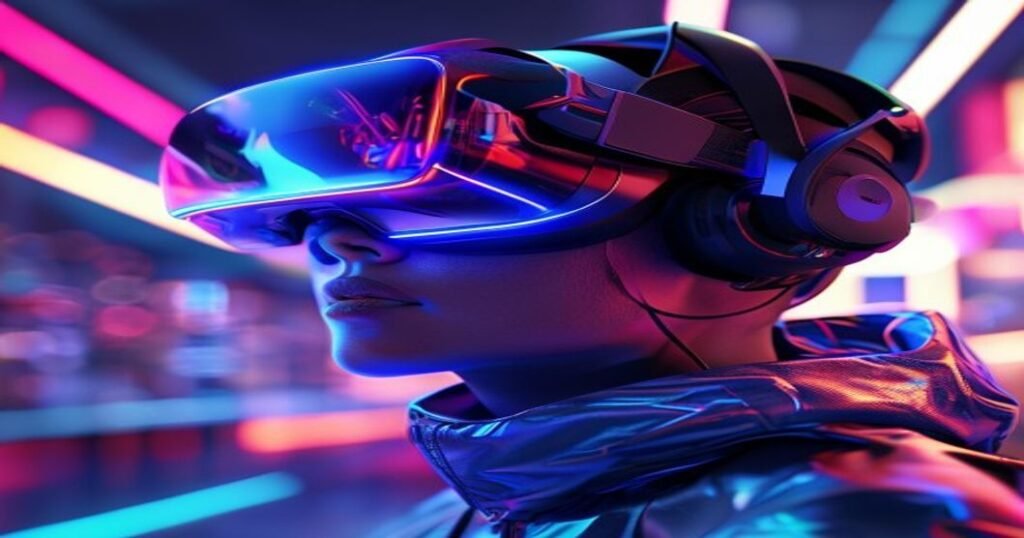

Remember the thrill of your first video game? The simple pixels, the linear storylines, the sheer escapism? It felt like magic then, didn’t it? Well, buckle up, because what’s coming next isn’t just magic – it’s an entire universe of possibility, powered by the incredible synergy of Artificial Intelligence and the Metaverse. We’re not just playing games anymore; we’re stepping into living, breathing digital realities that learn, evolve, and surprise us at every turn.
For years, gaming has been about following paths laid out by developers. But that paradigm is shifting dramatically. We’re on the cusp of an era where games are not just destinations but dynamic ecosystems, co-created by players and intelligent systems. It’s a journey from passive consumption to active participation, from predetermined narratives to emergent sagas. This isn’t just an upgrade; it’s a fundamental reimagining of what ‘playing a game’ even means.
Beyond Scripts: AI’s Brains Behind the Game
When we talk about AI in gaming, most people still think of sophisticated non-player characters (NPCs) or clever enemy pathfinding. And yes, AI has been making our digital adversaries smarter for ages. But that’s just the tip of the iceberg. The current wave of AI is transforming the very fabric of game worlds, making them more reactive, personalized, and endlessly replayable.
NPCs with Personality: More Than Just Dialog Loops
Gone are the days when an NPC would offer the same five lines of dialogue no matter how many times you spoke to them. Modern AI is enabling NPCs to have memory, learn from player interactions, and even develop unique personalities. Imagine a shopkeeper who remembers your past purchases and offers personalized recommendations, or a quest giver who adapts their requests based on your play style and reputation within the world. This isn’t just about making characters sound more human; it’s about making them *feel* more human, adding a profound layer of immersion and believability to our virtual companions and foes.
Worlds That Build Themselves: Procedural Generation on Steroids
The scale of modern game worlds is staggering, but even the most dedicated development teams have limits. This is where AI steps in as a master architect. Through advanced procedural generation, AI can create vast, unique landscapes, intricate dungeons, and even entire cities on the fly. This means every player could potentially experience a slightly different version of the game world, brimming with unique secrets and challenges. It’s not just about random generation; it’s about intelligent generation that adheres to design principles, ensuring a coherent and engaging experience no matter how large the digital canvas becomes.
Adaptive Storytelling: Your Choices, Their Consequences
Perhaps one of the most exciting advancements is AI’s potential in adaptive storytelling. Instead of branching narratives with a few pre-defined outcomes, AI could dynamically weave story threads based on every decision you make, every interaction you have, and even your emotional state within the game. Imagine a world where your actions genuinely have long-term, unforeseen consequences, leading to truly unique personal sagas that no other player will ever experience in exactly the same way. This kind of dynamic narrative promises a level of personal connection to game worlds we’ve only dreamed of.
The Metaverse: Where Games Become Living Universes
While AI makes games smarter, the Metaverse provides the expansive, persistent canvas on which these intelligent worlds can truly flourish. The Metaverse isn’t just a game; it’s an interconnected network of virtual spaces where users can socialize, work, learn, and, of course, play. Think of it as the internet, but experienced in 3D, often through VR or AR, and with a sense of persistent presence that traditional games can’t quite match.
More Than Just a Game: A Digital Existence
In a true metaverse experience, the lines between ‘game’ and ‘reality’ blur in fascinating ways. You don’t just log into a server; you step into a persistent digital realm that continues to exist and evolve even when you’re offline. These aren’t isolated experiences but interconnected hubs where avatars represent real people, interacting in meaningful ways. This persistent nature, combined with robust digital economies and user-generated content, transforms gaming from a pastime into a parallel form of digital existence. It’s truly The Great Digital Shift: How AI and the Metaverse Are Reshaping Our World, One Experience at a Time, extending far beyond just entertainment.
The Creator Economy Within Games
One of the most revolutionary aspects of the metaverse for gaming is the rise of the creator economy. Players aren’t just consumers; they are active participants in building and shaping the world. From designing unique character skins and virtual furniture to crafting entire mini-games and experiences within the larger metaverse, users can generate content and even monetize it. This empowers a whole new generation of digital entrepreneurs and gives players a tangible stake in the virtual worlds they inhabit. Imagine a thriving marketplace where your creativity is rewarded, and your digital assets hold real value.
The Symbiotic Revolution: AI and Metaverse Hand-in-Hand
The real magic happens when AI and the Metaverse stop being separate concepts and begin to intertwine. This synergy unlocks a level of immersion and dynamic interaction previously unimaginable. AI becomes the brain, the unseen intelligence that powers the vast, open-ended experiences of the Metaverse, making these digital realms truly alive.
Personalized Play, Infinite Possibilities
Consider a metaverse world where AI observes your play style, preferences, and social interactions. It could then dynamically adjust the challenges you face, curate content streams tailored to your interests, or even introduce you to other players with similar inclinations. This isn’t just about showing you what you want to see; it’s about proactively enhancing your experience, creating a uniquely personal journey within a shared universe. This potent combination is truly The Future of Fun: How AI and the Metaverse Are Crafting Our Next-Gen Entertainment Experiences, pushing the boundaries of what entertainment can be.
Breaking Down the Walls: Interoperability and Beyond
A true metaverse vision includes interoperability – the ability to move your digital identity, assets, and experiences between different virtual worlds. AI could play a crucial role here, acting as a universal translator or adaptive agent, ensuring that your customized avatar and hard-earned items seamlessly transition between various metaverse platforms, adapting to their unique rules and aesthetics. This is a monumental technical challenge, but AI’s ability to process and adapt information at scale makes it a powerful ally in achieving this dream of a truly connected digital existence.
Challenges and the Road Ahead
Of course, this dazzling future isn’t without its hurdles. The sheer computational power required to render vast, dynamic metaverse worlds populated by intelligent AI agents is immense. We’re talking about massive investments in cloud infrastructure, advanced graphics processing, and sophisticated network technologies. Moreover, ensuring accessibility for all, regardless of their hardware or technical expertise, will be key to widespread adoption.
The Ethical Quandary: Who Controls the AI?
As AI becomes more sophisticated, ethical considerations become paramount. How do we ensure fairness in AI-driven game mechanics? What about data privacy in worlds that constantly monitor and adapt to our behavior? And as NPCs become increasingly intelligent and autonomous, where do we draw the line between artificial life and simple code? These are questions that developers and communities alike will need to grapple with, establishing frameworks and guidelines to ensure a safe, equitable, and enjoyable digital future.
Bridging the Digital Divide: Accessibility and Inclusion
For the metaverse to truly flourish as a space for everyone, it must be inclusive. This means addressing issues of digital literacy, equitable access to high-speed internet and necessary hardware, and designing experiences that cater to diverse abilities and needs. The promise of the metaverse is universal access, but achieving that will require concerted effort from creators, policymakers, and the community at large.
What This Means for Gamers and Developers
For gamers, the future promises unparalleled immersion, endless discovery, and truly personalized adventures. Imagine stepping into a game world where every interaction feels meaningful, every quest unique, and every friend you make is a real person from across the globe. For developers, this era offers a boundless creative canvas, but also demands new skill sets – not just in coding and art, but in AI ethics, economic design, and community building within persistent worlds. This combination is set to redefine not just gaming, but entertainment on a grand scale, truly ushering in The Hyper-Real Revolution: How AI, Metaverse & Holograms Will Redefine Entertainment as we know it.
The convergence of AI and the Metaverse isn’t just a technological trend; it’s a cultural shift. It’s changing how we interact, how we create, and how we experience stories. We’re moving from a world where games are confined to screens to one where they are boundless, intelligent realities waiting to be explored. So, whether you’re a seasoned gamer or just curious about the future, prepare yourself. The next level of gaming isn’t just coming; it’s already beginning to unfold, promising an infinite horizon of adventures limited only by our imagination.

