

Beyond the Binge: How AI and Interactive Entertainment Are Rewiring Our Brains (And Our Living Rooms)
Remember the good old days? You’d flop onto the couch, remote in hand, and surrender to whatever narrative a TV channel or a DVD decided to throw your way. Ah, passive entertainment. It had its charm, didn’t it? But frankly, those days are increasingly becoming a nostalgic whisper from a bygone era. We’re living through a seismic shift in how we consume stories, engage with content, and even define ‘entertainment’ itself. We’re not just watching anymore; we’re participating, creating, and, in a very real sense, living within our chosen narratives.
It strikes me that the transition is less of an evolution and more of a revolution, driven by two colossal forces: the insatiable human desire for control and the relentless march of artificial intelligence. Together, they are crafting an entertainment landscape that’s dynamic, deeply personal, and frankly, a little mind-bending. Let’s dive into how our screens, headphones, and even our living rooms are becoming portals to experiences we once only dreamed of.
The Age of Endless Choice: From Channels to Command
For a long time, the pinnacle of choice was a premium cable package or a well-stocked video store. Then came streaming, a game-changer that blew the doors off curation and delivery. Suddenly, millions of hours of content were at our fingertips, ready on demand. But even that, as magnificent as it was, still largely presented us with a finished product. We picked a movie, watched it, and moved on. The narrative was set, the characters immutable. While convenience soared, engagement often plateaued.
Now, however, we’re witnessing a fascinating fatigue with passive consumption. The sheer volume of content can be overwhelming, and viewers are increasingly craving something more. They want to be part of the story, not just observers. This yearning for agency is precisely what’s fueling the surge in interactive entertainment.
Gaming Paved the Way: The Original Interactive Storytellers
If you want to understand where entertainment is heading, look no further than the gaming industry. For decades, video games have been the pioneers of interactivity, thrusting players into protagonist roles, making their choices matter, and rewarding exploration. From the branching narratives of classic RPGs to the open-world freedom of modern blockbusters, gaming has perfected the art of putting you, the player, at the center of the universe. This isn’t just about flashy graphics; it’s about the emotional investment that comes from having a stake in the outcome.
This deep understanding of player engagement is now bleeding into other forms of media. We’re seeing streaming platforms experiment with choose-your-own-adventure narratives, live events incorporating audience participation, and even social media evolving into collaborative storytelling platforms. The lines between ‘gamer’ and ‘viewer’ are blurring faster than ever before.
Beyond the Screen: Immersive Worlds and Sensory Overload (in a good way!)
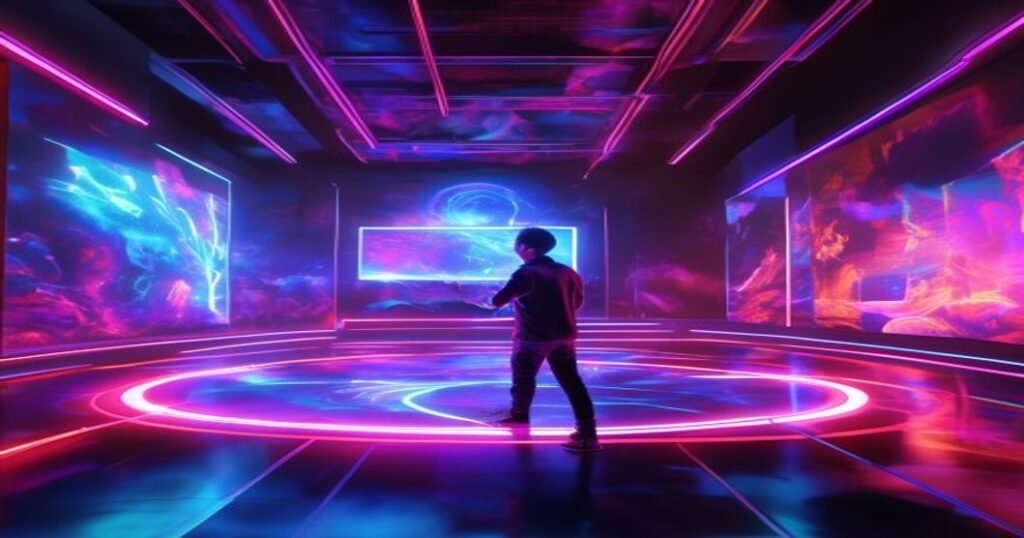
Interactive entertainment isn’t confined to clicking choices on a screen. The metaverse, virtual reality (VR), and augmented reality (AR) are opening up entirely new dimensions. Imagine attending a concert where your avatar dances alongside thousands of others, or exploring a historical site that perfectly blends digital overlays with your real-world surroundings. These technologies are no longer just niche interests for tech enthusiasts; they are becoming legitimate venues for shared, interactive experiences.
Live entertainment, too, is being redefined. Concerts feature real-time audience voting for setlists, theater productions adapt storylines based on crowd reactions, and escape rooms have become a mainstream phenomenon, proving that people are willing to pay for experiences where their input directly shapes the narrative. It’s an exhilarating time to be a consumer of culture, because culture is now actively asking for your input.
The AI Alchemist: Crafting Unseen Realities and Personal Journeys
Here’s where it gets truly fascinating. Artificial Intelligence isn’t just a tool for optimization or automation; it’s rapidly becoming a creative partner, an alchemist transforming raw data into deeply personal entertainment experiences. AI algorithms are learning our preferences, anticipating our desires, and even generating content on the fly to fit our unique tastes.
Consider AI-driven NPCs (non-player characters) in games that can adapt their personalities and dialogue based on your interactions, creating truly dynamic relationships. Or imagine interactive novels where an AI storyteller continually reshapes the plot, character arcs, and even the world itself based on your decisions, ensuring no two playthroughs are ever quite the same. This isn’t just about algorithms recommending the next show to binge; it’s about AI actively participating in the creation of the experience. It fundamentally changes the relationship between creator and audience, and it makes you wonder about the Future of Work Rewired: Is AI Your Boss, Partner, or Path to Your Dream Job? when even our entertainment is being co-created with machines.
Personalization is Power: AI’s Secret Weapon
Beyond content generation, AI excels at hyper-personalization. We’ve all experienced it with streaming service recommendations, but it’s evolving beyond mere suggestions. AI is learning our preferred pacing, our emotional triggers, our comedic sensibilities. It can dynamically adjust difficulty in games, curate news feeds based on our genuine interests (not just clickbait), and even tailor advertising to be less intrusive and more relevant.
For content creators and marketers, this is a game-changer. Understanding audience engagement on such a granular level means they can fine-tune their offerings, ensuring maximum impact. And for anyone trying to navigate the ever-complex digital landscape, understanding The AI Tsunami: How Smart Algorithms Are Rewriting the Rules of SEO & Content – And Why Your Strategy Needs an Upgrade NOW becomes absolutely critical. The same intelligence that delivers bespoke narratives to us also shapes how those narratives find their audience.
The Creator Economy’s New Frontier: Empowerment Through Interactivity
This shift isn’t just about big studios and tech giants. The rise of interactive tools and accessible AI is empowering individual creators like never before. YouTubers, TikTokers, and independent game developers are leveraging these technologies to build highly engaged communities. They’re running interactive polls, hosting live streams where audience input changes the direction of their content, and even collaboratively developing storylines with their fans.
It’s a true democratization of creativity, where the barrier to entry for creating compelling, interactive experiences is lowering. This fosters innovation and allows diverse voices to tell their stories in novel ways, directly involving their audience in the journey.
The Ultimate Immersion: Brain-Computer Interfaces and Beyond
While still in its nascent stages, the talk of Brain-Computer Interfaces (BCIs) in entertainment is no longer pure science fiction. Imagine controlling a game character with your thoughts, or experiencing a movie’s emotions directly, bypassing the traditional senses. The implications for interactive entertainment are profound, offering a level of immersion that transcends current technological capabilities. It’s a frontier that makes me think about Mind Over Matter, Literally: How Brain-Computer Interfaces Are Unlocking a Health Revolution (And Rewiring Our Future), because the same tech promising to revolutionize health could also give us entertainment experiences that blur the lines between reality and imagination completely.
Challenges and Considerations: The Double-Edged Sword
Of course, this brave new world isn’t without its complexities. Ethical concerns around data privacy, potential for addiction, and the very definition of ‘authorship’ when AI is involved, are valid and demand careful consideration. We must also grapple with the ‘digital divide,’ ensuring that these incredible experiences are accessible to everyone, not just a privileged few. There’s also the question of creative integrity – when algorithms are designing elements of a story, how do we protect the unique vision of human artists?
The Enduring Human Touch
Despite the rise of AI and sophisticated algorithms, one thing remains clear: the human element is indispensable. AI can generate, adapt, and personalize, but it’s human creativity that provides the spark, the raw emotion, and the profound ideas that resonate with us. The best interactive entertainment will always be a collaboration between intelligent technology and the unique genius of human storytellers, designers, and artists.
The Future is Now, and It Demands Your Input
So, what does this all mean for us, the consumers of entertainment? It means we’re no longer passive recipients. We are active participants, co-creators, and, in many ways, the directors of our own experiences. The future of entertainment is not just being watched; it’s being lived, crafted, and constantly reshaped by our choices. It’s an exciting, sometimes daunting, but ultimately empowering time to be alive, and I, for one, can’t wait to see what wild, interactive narratives we’ll collectively conjure up next. Are you ready to play your part?


