
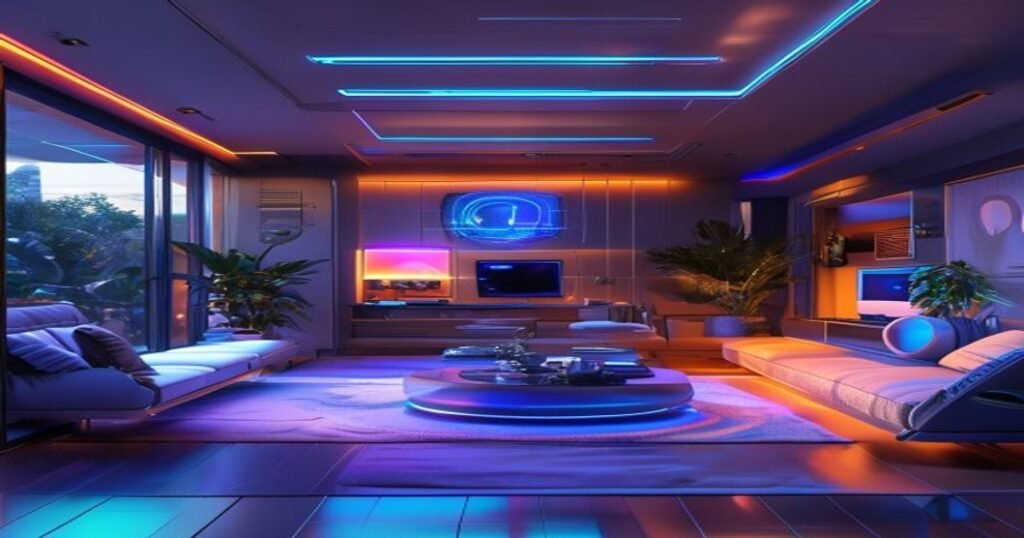

Remember when ‘smart home’ meant being able to turn your lights on and off with your phone? Or maybe a thermostat that learned your schedule? Oh, how quaint those days seem now! We’re not just talking about convenience anymore; we’re witnessing a profound transformation in how our living spaces interact with us, learn from us, and ultimately, elevate our everyday existence. This isn’t just about gadgets and gizmos; it’s about intelligent design weaving technology into the very fabric of our homes, turning them into responsive, intuitive sanctuaries.
The Silent Revolution Under Our Own Roofs
For years, the promise of the smart home felt a little like a tech convention demo – cool, but not quite ready for prime time. Clunky interfaces, incompatible devices, and more frustration than liberation often defined the early attempts. But something shifted. The underlying technologies, particularly artificial intelligence (AI) and the Internet of Things (IoT), have matured at an astonishing pace. Now, these aren’t just buzzwords; they’re the invisible architects behind the increasingly seamless and intuitive experiences we’re starting to demand from our homes.
Think about it: your home isn’t just a collection of inanimate objects anymore. It’s a network of sensors, algorithms, and connected devices all working in concert. From predicting your morning coffee preference to adjusting ambient lighting based on your mood, the level of personalization is becoming truly remarkable. It’s part of a broader trend, a The Silent Revolution: How AI and IoT Are Secretly Rewiring Your World (And Why You Need to Understand It Now), where intelligence is embedded into everything around us, fundamentally changing how we interact with our environment.
Beyond Functionality: Crafting Experiences
Where intelligent interior design truly shines is in its ability to move beyond mere functionality to craft entire experiences. We’re talking about spaces that anticipate your needs, optimize your well-being, and even inspire creativity. Imagine walking into a living room where the curtains automatically adjust to the perfect natural light, the temperature settles into your preferred comfort zone, and your favorite chill-out playlist gently fades in – all without you lifting a finger. This isn’t science fiction; it’s the present reality for many, and it’s only getting smarter.
- Personalized Ambiance: Smart lighting systems now do more than just dim. They can mimic natural daylight cycles to support your circadian rhythm, shift colors to match your mood for a movie night, or even create dynamic art installations on your walls.
- Climate Control with a Conscience: Forget fiddling with thermostats. Modern systems learn your patterns, detect occupancy, and integrate with weather forecasts to optimize energy usage while ensuring your comfort. Some even detect open windows and adjust accordingly, saving you money and reducing your carbon footprint.
- Soundscapes for Every Moment: Integrated audio systems are no longer just for music. They can play white noise for focus, nature sounds for relaxation, or even create immersive sound environments that make a simple evening feel like an escape to another world.
Wellness at the Core: The Biophilic Smart Home
One of the most exciting trends in intelligent interior design is the integration of technology to enhance our health and well-being. Biophilic design, which emphasizes connecting occupants with nature, is now getting a powerful tech upgrade. Smart homes can monitor air quality, manage humidity, and even automate the care of indoor plants, ensuring a healthier living environment.
Advanced systems can detect allergens, volatile organic compounds (VOCs), and even carbon dioxide levels, alerting you and initiating purification routines. Automated plant irrigation and smart grow lights ensure your indoor jungle thrives, contributing to fresh air and a sense of calm. The goal is to create a restorative environment that actively contributes to your physical and mental health, making your home a true sanctuary from the stresses of the outside world.
The Entertainment Evolution: Your Home, Your Immersive World
Our homes have always been centers of entertainment, but intelligent design is taking this to an entirely new level. We’re not just watching movies; we’re stepping into them. Integrated projectors disappear into ceilings, screens unfurl with a whispered command, and multi-channel audio systems create soundscapes that envelop you. Imagine a gaming session where the room lighting dynamically changes with the in-game action, or a movie night where bass shakers in your furniture make you feel every explosion.
This kind of integration fundamentally alters how we experience media. It’s an evolution in how we consume content, pushing the boundaries of what’s possible in our living rooms. If you’ve ever wondered how immersive tech is changing our leisure time, consider that our homes are becoming prime arenas for this shift. It’s clear that Escape Reality: How Immersive Tech is Rewriting the Rules of Entertainment (And Why You’ll Never Watch the Same Way Again) applies as much to our personal sanctuaries as it does to public venues.
Security and Peace of Mind: A Smarter Shield
Beyond comfort and entertainment, intelligent design significantly enhances home security. Integrated systems offer comprehensive protection, from smart locks and video doorbells to motion sensors and automated lighting that deters intruders. The beauty lies in the interconnectedness – a single command can arm your entire home, close all blinds, and switch off non-essential power.
Furthermore, these systems provide invaluable peace of mind. You can monitor your home remotely, receive alerts about unusual activity, or even grant temporary access to visitors or service providers, all from your smartphone. It’s about being connected and in control, knowing that your sanctuary is protected, whether you’re just in the next room or halfway across the globe.
The Kitchen and Beyond: Every Room, Reimagined
The transformation isn’t limited to living rooms and bedrooms. The kitchen, often considered the heart of the home, is becoming a hub of culinary intelligence. Smart appliances can suggest recipes based on ingredients you have, preheat themselves remotely, or even order groceries when supplies run low. Ovens can cook dishes to perfection with built-in cameras and AI, while refrigerators can identify expiring foods.
Bathrooms are also evolving, with smart mirrors that display news and weather, automatically adjusting lighting for makeup application, and water-saving smart showers. Even mundane tasks are being streamlined, transforming the everyday into something more effortless and enjoyable.
The Human Element: Simplicity and Control
Despite all this technological marvel, the true success of intelligent interior design hinges on one crucial factor: the human element. The best smart homes are those where the technology is almost invisible, working seamlessly in the background without requiring constant interaction. Voice control, intuitive apps, and even gesture recognition are making these systems more accessible and user-friendly than ever before.
I believe the future isn’t about having a million apps for a million devices. It’s about a centralized, intelligent hub that understands you and your habits. Imagine a home that’s so attuned to your presence and preferences that it feels like an extension of yourself – responding to your thoughts before you even voice them. It might sound like science fiction, but as we see advancements in areas like The Mind-Bending Future: Why Brain-Computer Interfaces Aren’t Just Sci-Fi Anymore – They’re Rewriting Humanity, the leap to hyper-intuitive home control feels less like a fantasy and more like an inevitable progression.
The Future is Now: Adaptive and Evolving Spaces
What does the horizon hold for intelligent interior design? We’re looking at homes that don’t just respond but adapt and evolve. Think about modular, reconfigurable spaces that change their layout based on your current activity – a living room transforming into a home office, or a bedroom seamlessly expanding for a yoga session. Materials themselves might become ‘smart,’ changing transparency, texture, or even color on demand.
The convergence of advanced robotics, AI, and hyper-connectivity is painting a picture of homes that are truly alive – spaces that learn, grow, and become indispensable partners in our daily lives. This isn’t just about automation; it’s about architecture and technology merging to create living environments that are more intuitive, more sustainable, and ultimately, more human than ever before.
So, as you look around your own home, consider the silent revolution taking place. Our personal sanctuaries are no longer static structures; they are dynamic, intelligent ecosystems designed to enhance every facet of our lives. And honestly, I can’t wait to see what brilliant innovations come next, shaping the way we live, work, and thrive within our increasingly intelligent walls.

