
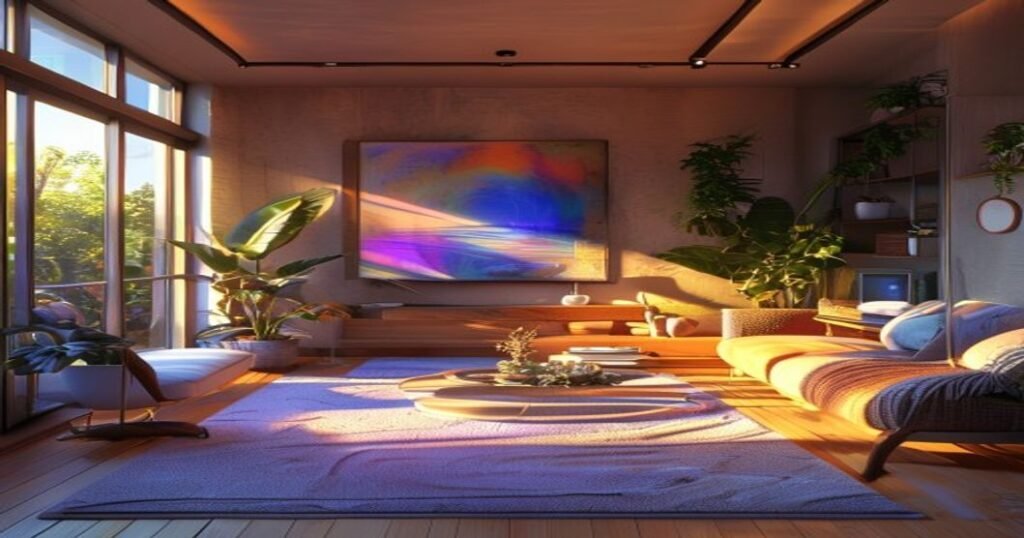

Let’s be honest: in our constantly buzzing, always-on world, finding a true escape can feel like a mythical quest. Our phones ping, emails demand attention, social media scrolls endlessly, and the line between work and personal life has blurred into an abstract smear. It’s exhilarating, yes, but utterly exhausting. This relentless connectivity leaves many of us craving a haven, a place where the noise fades, and we can simply… be. And increasingly, that haven is becoming our home – meticulously designed not just for aesthetics, but for profound well-being.
Welcome to the era of ‘Wellness Interiors,’ a movement that’s transforming how we think about our living spaces. It’s more than just good decor; it’s about crafting an environment that actively nurtures your mental, emotional, and physical health. Think of it as an antidote to the modern hustle, a deliberate effort to create a sanctuary that recharges your batteries and fosters a sense of peace. After all, if our devices are getting smarter, shouldn’t our homes be working smarter for our inner peace too?
Beyond Pretty Pictures: What Are Wellness Interiors?
At its core, wellness interior design is a holistic approach. It moves beyond superficial trends and focuses on the underlying impact of a space on its inhabitants. It’s about designing with intention, considering how every element – from lighting and layout to materials and acoustics – influences your mood, productivity, sleep quality, and overall sense of calm. It acknowledges that our surroundings are not passive backdrops but active participants in our lives.
We’ve come a long way from simply wanting a ‘nice looking’ home. Now, people are asking: ‘Does this room make me feel stressed or calm? Does this material support my health? Does this layout encourage connection or isolation?’ It’s a profound shift, reflecting a broader societal awakening to the importance of self-care and mental health, especially as we navigate the complexities of a truly The Hyper-Connected Paradox: Why Your Digital Life Needs a Deep Breath and How to Get One is a very real challenge, and our homes are our first line of defense.
The Pillars of a Soulful Sanctuary
So, how do you actually build this wellness haven? It’s a multi-faceted approach, integrating several key principles:
1. Embracing Biophilia: Nature’s Embrace Indoors
This is perhaps the most fundamental aspect. Biophilic design is all about connecting us with nature, even within urban environments. Humans have an innate desire to be close to nature, and bringing it indoors has measurable benefits for stress reduction, cognitive function, and mood. Think:
- Abundant Plant Life: Not just a lonely succulent, but a thriving green ecosystem. Plants purify the air, add vibrant color, and create a calming visual focal point.
- Natural Light: Maximize daylight with sheer curtains, well-placed mirrors, and an uncluttered window view. Circadian lighting systems that mimic natural light cycles can also significantly improve sleep and energy levels.
- Natural Materials: Incorporate wood, stone, cork, wool, linen, and cotton. These materials ground us, feel good to touch, and often age beautifully, telling a story.
- Views of Nature: If you have a garden or a nice tree outside, frame it like a living piece of art. If not, consider nature-inspired art or even a soothing water feature.
2. Mindful Materiality: Health Beyond the Surface
What our homes are made of matters deeply. Off-gassing from synthetic materials, paints, and furniture can introduce harmful volatile organic compounds (VOCs) into our indoor air. Wellness interiors prioritize:
- Low-VOC Paints and Finishes: An absolute must for healthier air quality.
- Non-Toxic Furnishings: Look for furniture made from natural, sustainable, and untreated materials. Research brands committed to healthy manufacturing practices.
- Sustainable Sourcing: Beyond health, the environmental impact of our choices reflects a broader sense of well-being for the planet.
3. Sensory Harmony: Engaging All Your Senses
Our homes should be a treat for all senses, not just sight:
- Acoustic Comfort: Soft furnishings, rugs, and strategic wall hangings can absorb sound, reducing echo and creating a quieter, more peaceful atmosphere. Consider sound-masking devices for truly noisy environments.
- Soothing Scents: Diffusers with essential oils (lavender for relaxation, citrus for uplift) or natural beeswax candles can gently scent a space without harsh chemicals.
- Comforting Textures: Layers of soft throws, plush rugs, smooth polished wood, and textured fabrics invite touch and add depth and warmth.
- Thoughtful Lighting: Beyond natural light, strategic layering of ambient, task, and accent lighting can create different moods. Dimmers are your best friend for transitioning from bright daytime activities to cozy evening relaxation.
4. Decluttering & Organization: Clear Space, Clear Mind
It sounds simple, but the impact of clutter on our mental state is profound. A chaotic environment often leads to a chaotic mind. Wellness interiors emphasize:
- Minimalism with Warmth: This isn’t about stark, cold spaces, but rather thoughtfully curated ones. Keep only what you love and use.
- Smart Storage Solutions: Baskets, built-ins, and multi-functional furniture can hide everyday items, maintaining a clean aesthetic.
- Purposeful Zones: Define areas for specific activities – a quiet reading nook, a dedicated workspace, a tech-free bedroom.
Speaking of dedicated workspaces, the lines between our professional and personal lives have never been more blurred. Many of us find our homes doubling as our offices, our creative studios, and even our gyms. This new reality makes the intentional design of our living spaces even more critical. After all, as The Great Job Reinvention: How AI is Forging New Careers and What You Need to Know Now, our environments must adapt to support both our work and our rest effectively.
5. Smart Tech for Serenity, Not Stress
This is where it gets interesting. While we often associate technology with digital overload, smart home integration can actually enhance wellness if used judiciously:
- Automated Lighting: Schedule lights to dim in the evening, gently wake you with a sunrise simulation, or adjust based on natural light levels.
- Air Quality Monitoring: Smart sensors can track pollutants, humidity, and temperature, triggering air purifiers or humidifiers when needed.
- Temperature Control: A perfectly comfortable ambient temperature contributes significantly to well-being and sleep.
- Sound Systems: Play calming ambient music or white noise for relaxation or focus.
The key here is technology that works subtly in the background, enhancing comfort and well-being without demanding constant interaction. It’s about tech that serves your peace, not distracts from it. In a similar vein, the way technology is being integrated into our vehicles is transforming those spaces too; much like our homes, cars are evolving into extensions of our personal, controlled environments. Beyond the Wheel: How EVs & AI Are Redefining What It Means To Drive, we see a parallel desire for seamless, intuitive, and comforting experiences across all aspects of our lives.
Crafting Your Personal Sanctuary: Where to Begin
Overwhelmed? Don’t be. You don’t need a complete renovation to start building your wellness sanctuary. Here’s how to approach it:
- Observe Your Space (and Yourself): Pay attention. Which rooms make you feel anxious? Which spots do you naturally gravitate towards for relaxation? What are the pain points in your current environment?
- Start Small, Think Big: Begin with one room, or even one corner. Add a few plants, clear a cluttered surface, switch to an essential oil diffuser, or install a dimmer switch. Small changes accumulate into significant impact.
- Prioritize Personal Needs: What does ‘wellness’ mean to *you*? Is it better sleep, more focus, less stress, or more joy? Let your personal goals guide your design choices. If sleep is paramount, focus on your bedroom first.
- Invest in Quality, Not Quantity: A few well-chosen, high-quality, and health-conscious pieces will contribute more to your well-being than a house full of disposable items.
- Embrace Imperfection: Your home is a living space, not a museum. It should evolve with you. Don’t strive for unattainable perfection; aim for authenticity and comfort.
The Future is Inside: Your Home as Your Wellness Partner
The trend of wellness interiors isn’t just a fleeting fad; it’s a profound re-evaluation of our relationship with our living spaces. As our lives become increasingly complex and demanding, the need for a personal retreat—a space that genuinely supports our health and happiness—will only grow. Our homes are no longer just places to eat and sleep; they are becoming integral partners in our well-being journeys.
Designing for wellness is an ongoing process of tuning into your needs and adapting your environment accordingly. It’s an investment in yourself, your peace of mind, and your future. So, take a deep breath, look around, and ask yourself: Is my home truly serving my soul? The answer lies in your ability to transform it into the sanctuary you deserve.

