
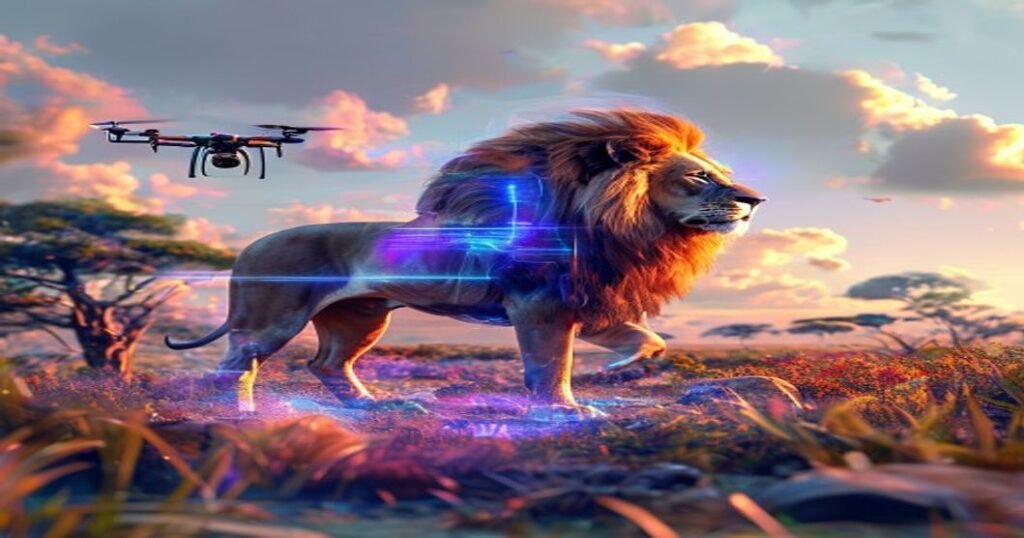

The Digital Roar: How Tech is Saving Our Wildest Friends (And Revolutionizing Pet Care at Home)
Let’s be honest, for a long time, the narrative around animal welfare and conservation felt… well, a bit grim. Poaching, habitat destruction, species extinction – it was a seemingly endless parade of bad news. But something remarkable is happening right now, something that’s not always in the headlines but is quietly, profoundly, changing the game: technology. I’m talking about a digital revolution that’s not just for our smartphones or smart homes, but for the very creatures we share this planet with. And frankly, it’s one of the most exciting developments I’ve witnessed in years.
This isn’t some pie-in-the-sky sci-fi fantasy; it’s happening in real-time. From the vast, remote savannas where endangered rhinos roam, to the cozy living rooms where our furry companions snooze, technology is rewriting the rules of animal care and conservation. It’s giving a voice to the voiceless, eyes to the unseen, and a fighting chance to species on the brink. And if you ask me, it’s about time.
The Digital Safari: Tech on the Frontlines of Wildlife Conservation
Imagine a world where anti-poaching patrols are guided by AI, where the health of an entire elephant herd is monitored from miles away, and where deforestation is detected almost as it happens. Guess what? We’re living in it. The wild, untamed corners of our planet are becoming increasingly connected, not to diminish their natural beauty, but to protect it.
Drones: The Eyes in the Sky
Gone are the days when conservationists relied solely on arduous ground patrols. Drones, once primarily military tools, are now invaluable allies. They can scout vast territories, identify illegal traps, track poacher movements, and even monitor animal populations with incredible accuracy. Imagine a small, silent sentinel flying high above, sending real-time data to a control center, allowing rangers to intercept threats before they become tragedies. It’s a force multiplier that was unimaginable just a couple of decades ago.
AI and Big Data: The Brains Behind the Brawn
This is where things get truly fascinating. Sensors embedded in collars on animals like pangolins or big cats transmit data – movement patterns, body temperature, even heart rates. This isn’t just raw information; it’s gold. Artificial intelligence algorithms analyze these massive datasets, predicting potential poaching hotspots, identifying unusual animal behavior that might indicate illness, or mapping migration routes with unprecedented detail. This kind of predictive analytics is transforming conservation from a reactive fight into a proactive strategy. It’s a prime example of how smart algorithms are rewriting the rules not just for business and SEO, but for the very survival of our planet’s biodiversity.
- Acoustic Monitoring: Hidden microphones in forests can pick up the sounds of chainsaws (illegal logging) or gunshots (poaching), instantly alerting rangers.
- Satellite Imagery: High-resolution satellite photos, combined with AI, can detect habitat loss and deforestation on a massive scale, even in the most remote areas.
- Genetics and Forensics: DNA analysis helps trace poached animal products back to their origin, building cases against illegal wildlife traffickers.
From Wild Frontiers to Cozy Couches: The Pet Care Revolution
It’s not just our planet’s wild inhabitants benefiting from the tech boom. Our beloved pets are living in an increasingly high-tech world too, and it’s genuinely improving their quality of life (and making our lives as pet parents a little easier!).
Wearables for Paws and Claws
Think Fitbit, but for your furry friend. Pet wearables can track activity levels, monitor sleep patterns, and even alert owners to changes in behavior that might indicate a health issue. GPS trackers mean fewer lost pets and more peace of mind for owners. Imagine getting an alert on your phone if your dog’s heart rate seems unusually high, prompting an early vet visit that could save their life. This proactive approach to pet health is a game-changer.
Smart Homes for Smarter Pets
Our homes are becoming interconnected hubs, anticipating our needs, and now, they’re doing the same for our pets. From automated feeders that dispense precise meal portions on a schedule, to self-cleaning litter boxes that maintain hygiene, smart pet gadgets are everywhere. Interactive cameras let you check in on your pet while you’re at work, even dispensing treats or engaging them with a laser pointer through an app. It’s a seamless integration, much like how our next smartphones won’t just think, they’ll anticipate us, our smart homes are learning to anticipate our pets’ needs too.
Virtual vet consultations are also gaining traction, allowing pet owners to get professional advice for minor issues from the comfort of their home, reducing stress for both pet and owner.
The Ethical Frontier and Future Horizons
Of course, with great technological power comes great responsibility. The rise of tech in animal care isn’t without its ethical considerations. Data privacy, the potential for over-monitoring, and ensuring equitable access to these technologies are crucial discussions we need to have. We must ensure that technology remains a tool for enhancement, not encroachment.
Looking ahead, the possibilities are staggering. Imagine AI-powered behavioral analysis tools that can decipher nuanced animal communication, helping us understand our pets and wildlife better than ever before. Or biotechnology advancements that bolster disease resistance in vulnerable species. The fusion of biology and technology, perhaps even leading to rudimentary forms of Brain-Computer Interfaces for advanced animal welfare research, isn’t as far-fetched as it sounds. We’re on the cusp of understanding animal consciousness in ways we never thought possible.
Crucially, this global technological shift isn’t limited to a few developed nations. Innovation is springing up everywhere. In regions like Pakistan, for instance, the youth are igniting a tech startup revolution, and it’s only a matter of time before their ingenuity turns towards local conservation challenges and pet care solutions tailored to their specific needs. This decentralized innovation is vital for a truly global impact.
Our Role: More Than Just Spectators
It’s vital to remember that technology, as powerful as it is, isn’t a silver bullet. It’s an amplifier of human effort, dedication, and passion. Drones need pilots, AI needs data scientists, and smart pet devices need responsible owners. Our role, as humans, is to continue advocating, supporting, and innovating. We need to fund research, support conservation organizations, and make ethical choices in how we interact with both our domestic and wild animal populations.
This digital roar isn’t just about saving animals; it’s about redefining our relationship with the natural world. It’s about leveraging our ingenuity to correct past wrongs and build a sustainable future. Just as we grapple with questions of whether AI is our boss, partner, or path to our dream job in the evolving landscape of work, we must consider how technology positions us as partners with nature – enabling a future where all creatures can thrive. I believe we have the tools, the intelligence, and increasingly, the will, to make that future a reality. The animal kingdom is evolving with us, and thanks to technology, their future looks a little brighter.


