
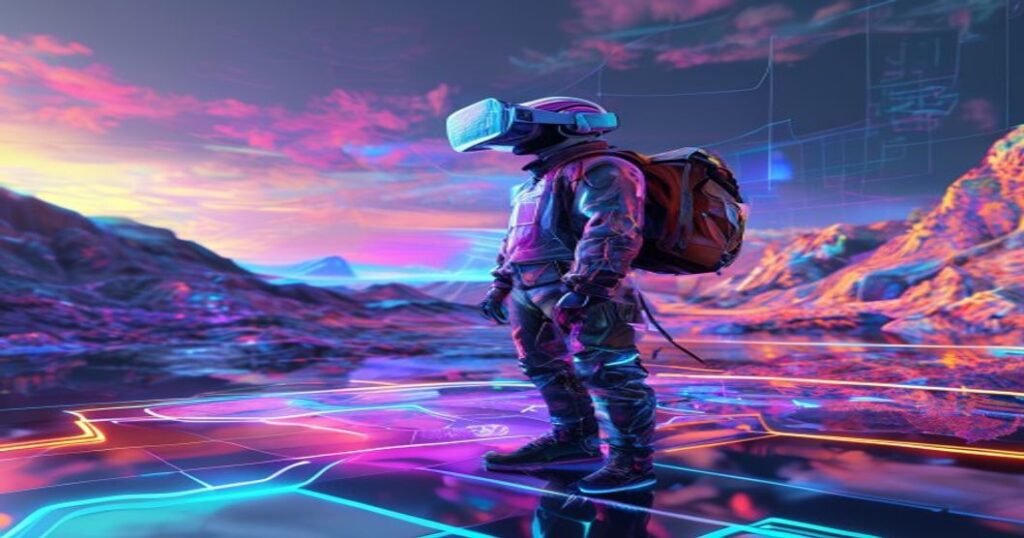

Alright, fellow wanderers and curious minds, let’s talk about travel. For centuries, it’s been about packing a bag, booking a ticket, and stepping into the unknown. But if you’re anything like me, you’ve started to notice a seismic shift rumbling beneath the surface of this cherished human endeavor. We’re not just talking about self-driving cars or fancy new airline seats anymore; we’re on the cusp of a total revolution, powered by artificial intelligence and the burgeoning world of immersive technologies. Forget what you thought you knew about planning a vacation or exploring a new city – the future of travel isn’t just arriving, it’s already knocking on our digital doors, ready to whisk us away on journeys we once only dreamed of.
The Hyper-Personalized Journey: Your AI Travel Concierge
Remember those days of sifting through countless travel guides, cross-referencing reviews, and agonizing over itineraries? Honestly, good riddance! The era of generic travel packages and one-size-fits-all recommendations is rapidly fading into the rearview mirror. What’s taking its place is something truly spectacular: hyper-personalized travel experiences curated by AI.
Imagine this: an AI assistant that knows your travel preferences better than you do. It understands your desire for vibrant street art, your aversion to crowded tourist traps, your preferred culinary adventures, and even your ideal pace of exploration. This isn’t just about suggesting a hotel; it’s about crafting an entire narrative around your trip. From recommending off-the-beaten-path cafes that perfectly match your coffee snobbery to suggesting a hiking trail with views that align with your aesthetic sensibilities, AI is becoming the ultimate travel planner.
These sophisticated algorithms can analyze vast amounts of data – from your past bookings and online browsing habits to real-time weather patterns and local events – to create itineraries that feel less like a schedule and more like a tailor-made adventure. It can dynamically adjust your plans on the fly if a sudden downpour hits, offering an indoor alternative that still aligns with your interests. This seamless integration of data and intuitive understanding transforms what used to be a stressful planning process into an exciting prelude to your actual journey. It’s part of The Great Digital Shift: How AI and the Metaverse Are Reshaping Our World, One Experience at a Time, and travel is at the forefront of this transformation.
Beyond Bookings: AI as Your On-the-Ground Guide
But AI’s role extends far beyond the planning phase. Once you’ve landed, your AI companion can morph into an indispensable on-the-ground guide. Think real-time translation for deciphering menus or chatting with locals, instant recommendations for nearby attractions based on your current location and interests, and even proactive alerts about potential scams or safety concerns in unfamiliar territories. It’s like having a seasoned local expert whispered directly into your ear, available 24/7. This level of personalized, intelligent assistance means you spend less time fumbling and more time soaking in the experience.
The Metaverse and Virtual Journeys: Exploring Without Moving
Now, let’s dive into the truly mind-bending stuff: the metaverse and virtual reality. While nothing can truly replace the feel of sand between your toes or the scent of a foreign spice market, VR and AR are opening up entirely new dimensions of travel. Imagine being able to virtually ‘visit’ a destination before you book your flight, getting a genuine feel for the atmosphere, the scale, and the vibe of a place. This isn’t just looking at flat photos; it’s walking through ancient ruins, exploring vibrant city squares, or even experiencing a virtual safari, all from the comfort of your living room.
For those with physical limitations, budget constraints, or environmental concerns, virtual travel offers an incredible alternative. You could trek the Himalayas, dive into the Great Barrier Reef, or stroll through the Louvre, all rendered in stunning detail. This is where travel starts to merge with entertainment and exploration in ways we’ve never seen before. It’s a natural evolution, much like how Beyond the Screen: How AI and the Metaverse Are Forging Gaming’s Infinite Future, creating new realms of engagement and experience.
Augmented Reality: Enhancing the Real-World Trip
Augmented reality (AR) takes a different, equally exciting approach. Instead of replacing the real world, AR overlays digital information onto it, enhancing your actual physical journey. Picture walking through a historical site with your smartphone or AR glasses, and instantly seeing holographic reconstructions of buildings as they once stood, or having ancient figures narrate their stories right before your eyes. QR codes and static plaques feel positively prehistoric in comparison. AR can transform a simple walk through a city into an interactive, educational, and utterly magical experience, giving you layers of context and insight that were previously impossible.
Seamless Travel: The AI-Powered Infrastructure
Beyond the personal experience, AI and advanced tech are working behind the scenes to make the entire travel ecosystem smoother and more efficient. Think about airports: AI-powered facial recognition for seamless check-ins and boarding, predictive analytics to anticipate security wait times, and smart baggage handling systems that minimize lost luggage. Airlines are using AI to optimize flight paths, predict maintenance needs, and even manage fuel consumption, leading to more punctual and sustainable journeys.
Hotels are getting smarter too, with AI-driven concierges, personalized climate control, and even robots delivering room service. The goal here is to remove friction points, reduce stress, and allow travelers to focus purely on the joy of their trip. This kind of technological backbone, which also underpins the increasing capabilities of virtual and immersive experiences, relies heavily on robust and intelligent networks. It highlights how The Network Awakens: How AI and Immersive Worlds are Redefining Telecom, making such sophisticated travel experiences a reality.
The Ethical Crossroads: Navigating the Future Responsibly
Of course, with great power comes great responsibility. The rise of AI and immersive tech in travel isn’t without its ethical considerations. Data privacy, for instance, is paramount. How much of our personal information are we comfortable sharing with AI to get these hyper-personalized experiences? Who owns that data, and how is it protected?
There’s also the risk of algorithmic bias, where AI might inadvertently perpetuate stereotypes or limit our exposure to new experiences based on past data. We need to ensure that these technologies enhance discovery, rather than funneling us into predictable echo chambers. Furthermore, as virtual travel becomes more sophisticated, we must grapple with its potential impact on physical tourism and the local economies that depend on it. It’s a delicate balance, and we, as travelers and consumers, will play a crucial role in shaping these ethical guidelines.
The Future of Fun: Blurring Lines and Expanding Horizons
Ultimately, the marriage of AI and immersive tech isn’t just about efficiency or novelty; it’s about fundamentally reshaping the ‘fun’ aspect of travel. Imagine a world where language barriers are instantly dissolved, where historical sites come alive with interactive narratives, and where you can explore alien landscapes without leaving Earth. This convergence makes travel more accessible, more engaging, and infinitely more personalized. It’s truly a testament to how The Future of Fun: How AI and the Metaverse Are Crafting Our Next-Gen Entertainment Experiences across all sectors, and travel is undeniably one of its biggest beneficiaries.
My Take: Embrace the Change, But Don’t Forget the Soul
As a content creator and someone deeply passionate about both technology and exploration, I’m undeniably excited by these developments. The possibilities are staggering. However, my opinion leans heavily on ensuring that while we embrace these incredible advancements, we don’t lose the essential ‘soul’ of travel. The serendipity, the unexpected human connections, the challenges that lead to personal growth – these are the intangible elements that truly make a journey memorable. AI can guide us, VR can show us, but it’s still our boots on the ground, our eyes taking in the real-world spectacle, and our hearts open to authentic connection that truly define the adventure.
The future of travel isn’t about technology replacing human experience, but rather augmenting it. It’s about leveraging these powerful tools to unlock deeper understanding, broaden our horizons, and make the world more accessible to everyone. So, next time you plan a trip, or even dream of one, remember that the landscape is changing. Be open to letting AI be your guide and the metaverse be your preview, but never forget to step out into the real world and let it truly surprise you. The greatest adventures, after all, are still those we live ourselves.


