
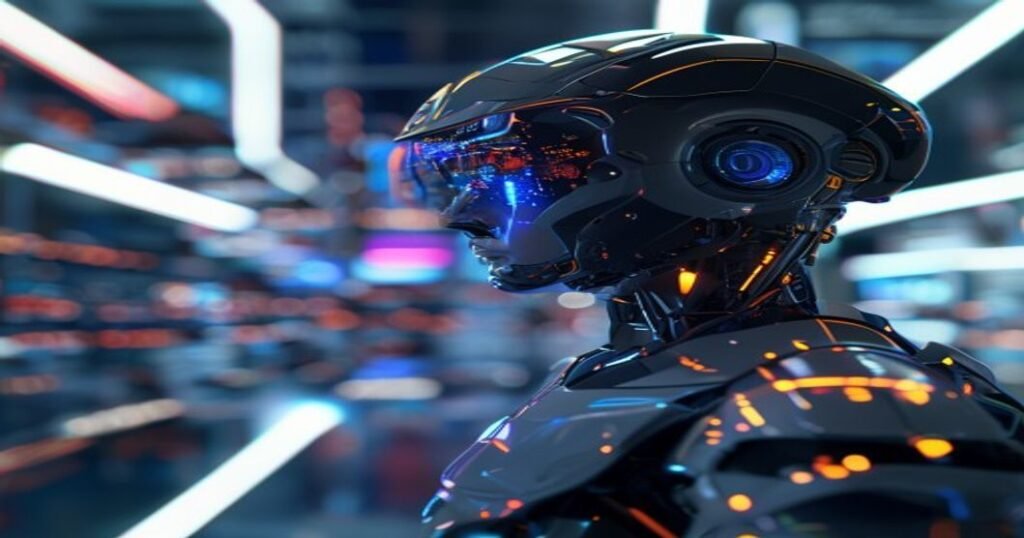

The dawn of 2026 marks a pivotal moment in human history. We are not merely observing the emergence of Artificial Intelligence (AI) and the hyper-real metaverse; we are living through their profound integration into the very fabric of our global society. These technologies are no longer confined to academic papers or science fiction; they are established forces actively redefining labor markets, societal structures, and our everyday existence. This isn’t a prediction of the distant future; it’s the unfolding reality of now, demanding our attention, adaptation, and a deep understanding of the transformative currents shaping our world.
The Unstoppable March of Automation: AI and the Evolving Workforce
AI’s integration into core industries has moved beyond experimental phases. From advanced manufacturing to complex service sectors, AI-powered systems are augmenting human capabilities, optimizing processes, and, in many cases, autonomously performing tasks once exclusive to human intellect. This rapid evolution presents a dual challenge and opportunity for the global workforce.
Job Displacement vs. Job Creation: A Delicate Balance
The conversation around AI often veers towards job displacement, and while legitimate, it’s only one side of the coin. In 2026, we’ve seen significant automation of repetitive and data-intensive roles across sectors. Data entry, basic customer service, routine accounting tasks, and rudimentary analytical positions are increasingly handled by AI algorithms. This shift, however, is being counterbalanced by the emergence of entirely new job categories and a heightened demand for uniquely human skills.
The market now actively seeks AI trainers, prompt engineers, metaverse architects, digital ethicists, and data trust officers – roles that didn’t exist a mere few years ago. Furthermore, professions requiring creativity, critical thinking, complex problem-solving, and emotional intelligence have seen their value surge. The imperative for national economies, businesses, and individuals alike is clear: invest heavily in re-skilling and up-skilling programs to navigate this evolving landscape. Lifelong learning is no longer a luxury but a fundamental necessity for economic participation.
The Rise of the ‘Gig AI’ Economy
Complementing the automation trend is the acceleration of the ‘Gig AI’ economy. AI-powered platforms are becoming incredibly sophisticated at matching highly specialized, short-term contracts with a globally distributed workforce. This model fosters greater flexibility and access to specialized talent but also raises significant questions about traditional employment models, worker benefits, and the role of labor unions in a fragmented, digitally managed workforce. The line between employee and independent contractor continues to blur, prompting calls for new regulatory frameworks.
The Hyper-Real Metaverse: A New Economic Frontier and Social Fabric
While often associated with gaming, the metaverse in 2026 has matured into a robust platform for work, education, commerce, and profound social interaction. It’s an immersive, persistent digital realm that extends our physical reality, offering unparalleled opportunities and challenges.
Virtual Economies & Digital Assets: The Billion-Dollar Metaverse
The metaverse is no longer just a digital playground; it’s a vibrant economic zone. Non-Fungible Tokens (NFTs) have evolved beyond speculative art, now representing verifiable ownership of digital real estate, virtual goods, and even credentials. Brands are establishing strong metaverse presences, hiring virtual store managers, experience designers, and avatar stylists. This burgeoning digital economy is generating significant GDP, creating new revenue streams, and transforming how businesses engage with consumers globally. The ability to transact, create, and own digital assets within these immersive worlds has fundamentally altered perceptions of value.
Remote Work Redefined: From Zoom to Virtual Offices
The shift to remote work, accelerated by global events, has found its ultimate evolution in the metaverse. Beyond two-dimensional video calls, businesses are now utilizing immersive virtual meeting spaces, collaborative design environments, and even entire digital campuses. These hyper-real environments foster a sense of presence and collaboration that traditional remote tools often struggle to replicate, blurring the lines between physical and digital presence for global teams and further decentralizing the concept of a ‘headquarters’.
Geopolitical Earthquakes: AI, Data, and Global Power Dynamics
The rapid advancement of AI and the metaverse isn’t merely reshaping economies; it’s creating geopolitical fault lines. AI is unequivocally a strategic asset, with nations vying for dominance in its research, development, and application. This competition extends to controlling vital data flows, establishing technological infrastructure, and influencing global digital norms.
The Ethics of AI and Data Governance
The intense race for AI supremacy has amplified urgent ethical debates. Algorithmic bias, data privacy, surveillance capabilities, and the implications of autonomous systems for warfare and governance are at the forefront of international discussions. The lack of standardized international frameworks and regulations creates a complex, often volatile, landscape where different national approaches to digital ethics clash. The global stage in 2026 is a complex tapestry woven with threads of technological advancement and shifting power balances. Nations are acutely aware that dominance in AI and metaverse infrastructure translates directly into economic and strategic leverage. As such, the competition for talent, computing power, and ethical frameworks has intensified, leading many experts to conclude that we are at a Global Tipping Point: How AI, the Metaverse, and Geopolitical Realities are Redefining Our World by 2026. This redefinition is not just about military might, but about economic resilience, cultural influence, and the very fabric of national sovereignty in a digitally interconnected world.
Transforming Daily Life: From Travel to Entertainment
Beyond the macro-economic and geopolitical shifts, AI and the metaverse are fundamentally altering personal experiences, making our daily lives more personalized, immersive, and interconnected.
Hyper-Personalized Journeys: Travel in the Age of AI
The travel industry has undergone a radical transformation by 2026. AI is now the ultimate travel concierge, moving far beyond simple booking engines. Sophisticated algorithms analyze individual preferences, past travel history, social media activity, and even real-time emotional cues to create predictive recommendations. These AI systems craft bespoke itineraries, offer real-time translation services, and seamlessly manage logistics, from dynamic flight adjustments to personalized dining suggestions. Gone are the days of one-size-fits-all itineraries. In 2026, AI has become the ultimate travel concierge, understanding individual preferences, predicting desires, and crafting journeys that are uniquely yours. From suggesting undiscovered local gems to dynamically adjusting plans based on real-time events, the travel landscape has been utterly transformed. We are truly living Beyond the Brochure: Hyper-Personalized, AI-Driven Travel Experiences Redefining Journeys in 2026, experiencing destinations not just as tourists, but as participants in a deeply personalized narrative.
The Metaverse & AI: Rewriting Entertainment and Sports
The entertainment industry, ever a pioneer in leveraging new technologies, has fully embraced the convergence of AI and the hyper-real metaverse. Movie experiences are no longer confined to screens but extend into interactive, evolving narratives where audience choices matter. Music concerts transport you to fantastical virtual landscapes, letting you interact with performers and other fans as never before. Indeed, the very essence of how we consume and engage with stories and performances has been revolutionized, signaling that we are truly ready to Enter the Odyssey: How AI & The Hyper-Real Metaverse Will Revolutionize Entertainment in 2026. This new paradigm offers unprecedented levels of immersion and personalization.
Even the world of sports has found itself dramatically transformed by this technological duo. AI-powered analytics are revolutionizing training and strategy, giving athletes and coaches unparalleled insights into performance optimization. Meanwhile, the metaverse is offering fans unparalleled access and interactive viewing experiences. Imagine watching a live game from a player’s perspective, or even participating in a virtual sports league that mirrors real-world events, replete with real-time statistics and personalized commentary. It’s clear that in 2026, we’re witnessing The Game Changer: How AI & The Hyper-Real Metaverse Are Rewriting Sports in 2026, creating new revenue streams and fan engagement models that blur the lines between spectator and participant.
Navigating the Future: Adaptation and Opportunity
This great automation shift, propelled by AI and amplified by the hyper-real metaverse, is not a wave to be merely weathered; it’s a new ocean requiring different navigation skills. The necessity for individuals, businesses, and governments to adapt quickly and strategically has never been more pressing.
Education and Lifelong Learning: The New Imperative
Educational systems worldwide are undergoing critical reforms to prepare future generations for an AI-first world. The focus is shifting from rote memorization to fostering critical thinking, creativity, complex problem-solving, and digital literacy. Lifelong learning platforms, often powered by AI itself, are becoming ubiquitous, offering personalized learning paths and micro-credentials to help individuals continuously upskill and reskill throughout their careers. The emphasis is on building human capabilities that complement, rather than compete with, AI.
Policy and Regulation: Striking the Right Balance
Governments are grappling with the immense challenge of fostering innovation while simultaneously protecting citizens from potential harms. Debates around antitrust concerns in the digital space, the dangers of data monopolies, and the widening digital divide are escalating. Crafting agile and forward-thinking policies that encourage technological advancement without stifling ethical considerations or exacerbating social inequalities is a delicate balancing act that will define national competitiveness and societal well-being in the years to come.
Conclusion
2026 is not just another year on the calendar; it’s a testament to humanity’s relentless pursuit of innovation and the profound, sometimes unsettling, consequences that follow. The great automation shift, powered by AI and amplified by the hyper-real metaverse, is a force that demands our attention, our adaptability, and our collective wisdom. The future is not just arriving; it’s already here, reshaping our world in ways we are only just beginning to comprehend. Embracing this complexity with foresight and a commitment to equitable progress will be the ultimate challenge and opportunity of our time.


