
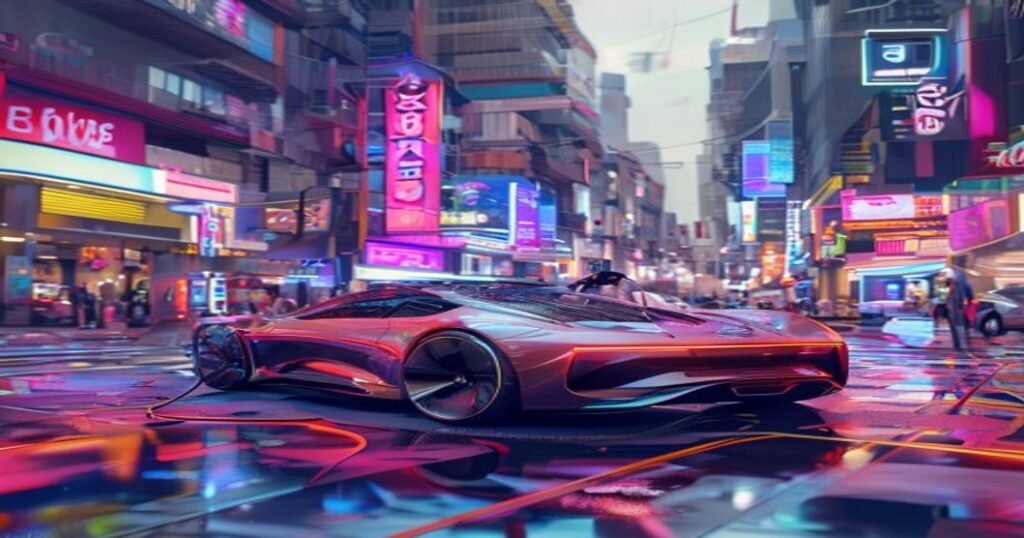

The Silent Revolution: How Electric Vehicles Are Rewiring Our Roads (and Our Future)
There’s a quiet hum on the horizon, slowly but surely replacing the familiar growl of gasoline engines. It’s the sound of the electric vehicle (EV) revolution, and trust me, it’s far more than just a passing trend. It’s a seismic shift, fundamentally altering not just how we move, but how our cities are powered, how our economies are structured, and even how we perceive the very act of driving. As someone who lives and breathes technology and its impact on society, I find this transition utterly fascinating, and frankly, a bit thrilling.
For decades, the internal combustion engine reigned supreme, an undeniable symbol of progress and freedom. But the cracks in its armor – environmental pollution, finite fossil fuels, and volatile prices – have grown into gaping fissures. Enter the EV: a clean, efficient, and increasingly powerful alternative that promises a breath of fresh air, both literally and figuratively. But let’s be real, it’s not just about swapping one power source for another; it’s about a complete ecosystem overhaul.
The Global EV Surge: A Tsunami of Change
Around the world, the adoption of EVs is accelerating at an unprecedented pace. What was once a niche market for early adopters and eco-warriors is now entering the mainstream. Governments are setting ambitious targets, automakers are pouring billions into R&D, and consumers are increasingly opting for the plug over the pump. This isn’t just happening in the hyper-developed West; emerging economies, despite their unique challenges, are also catching the EV wave. Why? Because the benefits, long-term, are simply too compelling to ignore.
More Than Just Zero Emissions: The Multitude of Benefits
- Environmental Stewardship: This is the big one. Reduced tailpipe emissions mean cleaner air, especially in our choked urban centers. While the electricity source matters, the overall carbon footprint of an EV, particularly with increasingly renewable grids, is significantly lower.
- Lower Running Costs: Electricity is generally cheaper per kilometer than gasoline, and EVs have fewer moving parts, leading to reduced maintenance. No oil changes, no spark plugs, often less wear on brakes due to regenerative braking. This is a huge selling point for the everyday driver.
- Performance & Experience: Ever driven an EV? The instant torque is addictive. They’re quiet, smooth, and offer a truly refined driving experience. Forget sluggish acceleration; these cars often feel like they’re leaping forward with effortless grace.
- Energy Security: Relying less on imported fossil fuels means greater energy independence for nations, a critical factor for economic stability and national security.
Navigating the Charging Labyrinth: The Infrastructure Challenge
Now, let’s talk about the elephant in the room, especially for developing nations: infrastructure. It’s all well and good to talk about electric dreams, but without a robust, accessible, and reliable charging network, those dreams remain just that. Imagine buying a smartphone without anywhere to charge it – that’s the EV dilemma in many places right now.
Building out this infrastructure is a monumental task. It requires significant investment, smart urban planning, and a coordinated effort between governments, utility companies, and private enterprises. We need:
- Public Charging Stations: Fast chargers along highways, slower chargers in urban parking lots, shopping malls, and workplaces.
- Home Charging Solutions: Most EV owners will charge at home overnight, so reliable grid access and affordable installations are crucial.
- Smart Grid Integration: As more EVs plug in, the electricity grid needs to be smarter, capable of handling fluctuating demand, optimizing charging times, and even drawing power back from vehicles (Vehicle-to-Grid or V2G) when needed.
This isn’t just about putting up charge points; it’s about creating an entire energy ecosystem that supports this new mode of transport. It’s a massive undertaking, but the payoff for future generations is immense.
The Brains Behind the Wheel: How AI is Supercharging EVs
The EV revolution isn’t just about batteries and motors; it’s intricately linked to another transformative technology: Artificial Intelligence. AI is not just a passenger in this journey; it’s actively driving it, enhancing everything from battery management to the actual driving experience. If you think your car is smart now, you haven’t seen anything yet. For a deeper dive into how AI is making our cars sentient, you might want to check out The Brains Behind the Wheel: How AI is Redefining Driving (and Our Relationship with Cars).
AI’s Role in the EV Ecosystem:
- Battery Optimization: AI algorithms predict battery degradation, optimize charging cycles to extend battery life, and manage power distribution for maximum efficiency and range.
- Predictive Maintenance: AI monitors vehicle performance in real-time, identifying potential issues before they become major problems, reducing downtime and maintenance costs.
- Smart Charging: AI can schedule charging for optimal times, taking advantage of lower electricity rates or periods of high renewable energy availability, alleviating strain on the grid.
- Autonomous Driving: While still evolving, AI is the backbone of advanced driver-assistance systems (ADAS) and future fully autonomous vehicles, handling perception, decision-making, and control.
- In-Car Experience: From voice assistants controlling climate and navigation to personalized infotainment, AI is making the cabin a more intelligent and enjoyable space.
These aren’t just futuristic concepts; many are already integrated into the latest EVs, making them safer, more efficient, and more enjoyable to drive. And it’s only going to get smarter.
The Broader Economic Impact: A New Horizon for Developing Nations
For countries like Pakistan, embracing the EV revolution is not just an environmental imperative; it’s an economic opportunity. The shift towards EVs can spur local manufacturing, create new jobs in battery production, charging infrastructure development, and software engineering. It can reduce the massive bill for imported fossil fuels, freeing up capital for other developmental projects. This grand technological shift presents a unique chance for emerging economies to leapfrog older technologies and establish themselves as players in the new global auto market.
Indeed, the broader embrace of AI and digital technologies is crucial for nations to thrive in this new era. To understand the wider implications of how AI is shaping the economic and societal landscape in our region, consider reading Unleashing the Digital Dragon: How AI is Reshaping Pakistan’s Future (And Why It Matters to Every Pakistani). The parallels in transforming various sectors, including automotive, are striking.
Beyond the Car: The Future of Mobility
The EV revolution isn’t just about individual cars; it’s catalyzing a broader transformation in how we think about mobility itself. We’re seeing the rise of:
- Shared Mobility: Electric car-sharing and ride-hailing services become more sustainable and cost-effective.
- Micro-Mobility: Electric scooters, bikes, and mopeds are flourishing in urban environments, offering nimble and eco-friendly ways to navigate short distances.
- Integrated Public Transport: EVs can power new generations of buses and trains, creating fully electrified urban transport networks.
- Smart Cities: Vehicles, infrastructure, and urban planning are converging, creating smarter, more efficient, and greener cities. Think traffic flow optimization, smart parking, and dynamic route planning, all powered by data and AI.
The car is no longer just a mechanical device; it’s a connected, intelligent node in a larger digital ecosystem. Much like how AI is secretly supercharging the devices we carry every day, making them indispensable, it’s also making our vehicles smarter and more integral to our connected lives. To grasp the full scope of how AI enhances our everyday tech, delve into Beyond Buttons and Pixels: How AI is Secretly Supercharging Your Smartphone (And What’s Next).
My Take: An Optimistic Yet Realistic Road Ahead
The transition to an all-electric future won’t be without its bumps. Challenges like raw material sourcing for batteries, battery recycling, grid modernization, and consumer education are real and complex. But here’s my firm opinion: the momentum is irreversible. The benefits far outweigh the hurdles, and human ingenuity, coupled with relentless technological advancement, will overcome these obstacles.
For countries like ours, this isn’t just about following a global trend; it’s about seizing an opportunity to build a cleaner, more energy-independent, and technologically advanced future. It requires visionary leadership, strategic investment, and a collective belief in a better tomorrow. The silent revolution is here, and it’s time we all leaned in, listened closely, and drove towards it with purpose.
The roar of the engine might be fading, but the hum of innovation is getting louder, promising a future of mobility that’s cleaner, smarter, and infinitely more exciting.

