

Alright, let’s talk about something that truly keeps me up at night: the state of our planet’s incredible animal kingdom. It’s a sobering thought, isn’t it? Every single day, species inch closer to oblivion, wiped out by habitat loss, poaching, climate change, and human encroachment. We hear the grim statistics, see the heartbreaking images, and often feel a sense of helplessness. But what if I told you there’s a powerful, rapidly evolving force that’s stepping into the breach, offering a glimmer of hope where traditional methods often fall short? I’m talking about Artificial Intelligence – and it’s not just for self-driving cars or optimizing your Netflix recommendations anymore. AI is quietly, yet profoundly, revolutionizing the fight to save our most vulnerable creatures, from the majestic pangolin to the smallest frog.
The Silent Crisis: Why We Need a Game-Changer Now
Before we dive into the fascinating world of AI in conservation, let’s confront the stark reality. The biodiversity crisis isn’t some abstract concept; it’s unfolding at an alarming rate. Imagine a world devoid of the thunderous roar of a lion, the playful antics of an orangutan, or the silent, graceful flight of a snow leopard. This isn’t science fiction; it’s a very real possibility if we continue on our current trajectory. Habitats are shrinking, illegal wildlife trade is booming, and the changing climate is pushing ecosystems to their breaking points. For decades, dedicated conservationists have fought valiantly, often with limited resources and outdated tools. Their passion is undeniable, but the scale of the problem demands something more. It demands innovation.
Enter the Machines: AI’s Early Interventions in the Wild
This is where AI steps in, not as a replacement for human endeavor, but as an incredibly potent force multiplier. Think of it as giving conservationists superpowers. Suddenly, vast, inaccessible territories can be monitored with unprecedented precision. Data that once took months to analyze can now be processed in minutes. The potential for intelligent automation isn’t just exciting; it’s becoming an absolute AI imperative for anyone serious about making a real impact in this fight. Ignoring these advancements means falling behind, not just in business, but in the critical race against extinction.
Eyes in the Sky, Ears on the Ground: Beyond Human Limits
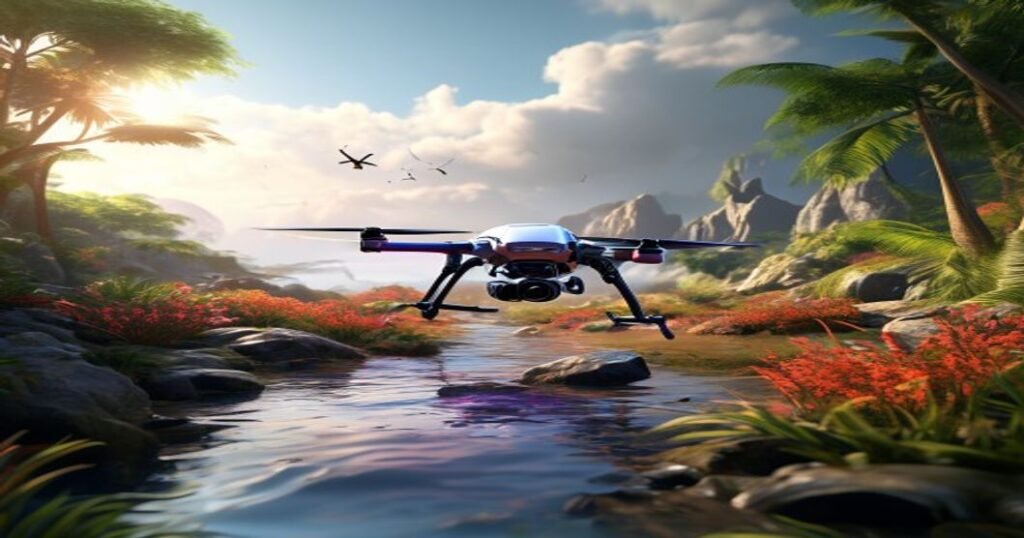
- Drones and Satellite Imagery: Picture vast national parks, dense jungles, or remote ocean expanses. Humans can’t cover them all. But AI-powered drones and satellite imaging systems can. These technologies collect terabytes of data, from thermal signatures of poachers to changes in vegetation indicating habitat degradation. AI algorithms then analyze this data, identifying anomalies and patterns that would be impossible for the human eye to spot.
- Acoustic Monitoring: Imagine a network of microphones scattered across a rainforest. AI can ‘listen’ to the jungle, identifying specific animal calls, monitoring biodiversity, and even detecting the tell-tale sounds of chainsaws or gunshots – crucial for anti-poaching efforts. It’s like having thousands of expert ears listening around the clock.
- Camera Traps on Steroids: Traditional camera traps are useful, but sorting through millions of images of rustling leaves or false alarms is a nightmare. AI-powered camera traps are different. They can instantly identify species, count individuals, and even recognize specific animals through unique markings, providing invaluable data on population dynamics and behavior without constant human intervention.
Predictive Power: AI as a Crystal Ball for Conservation
One of the most mind-blowing applications of AI in conservation is its predictive capability. This isn’t just about reacting to problems; it’s about anticipating them. AI models can analyze historical data – everything from weather patterns and human population density to past poaching incidents and wildlife movements – to predict future hotspots for illegal activities or areas at highest risk for disease outbreaks. This allows conservation teams to deploy resources proactively, intercepting poachers before they strike or setting up veterinary interventions before an epidemic spreads through a vulnerable population. It’s like having an advanced warning system, giving our heroes on the ground a critical head start.
Personalized Care: AI Rewriting Animal Health Stories
It’s not just about broad population management; AI is also transforming individual animal welfare. Just as AI is revolutionizing human healthcare, beyond the doctor’s office, AI is rewriting your health story, it’s doing the same for animals. For injured or sick wildlife in rehabilitation centers, or even valuable livestock, AI can assist veterinarians in diagnosing illnesses faster and more accurately, optimizing treatment plans, and monitoring recovery. Wearable sensors (think Fitbits for elephants!) can track vital signs, movement patterns, and behavior, alerting caregivers to potential issues long before they become critical. This personalized approach means better outcomes for individual animals and, by extension, healthier populations.
The Human Element: Collaboration is Key, Globally
While the technology is incredible, it’s crucial to remember that AI is a tool. It amplifies human efforts, it doesn’t replace them. The insights generated by AI need the wisdom, experience, and sheer bravery of human conservationists to be effective. This collaborative spirit extends globally. Countries like Pakistan, for instance, with its rich biodiversity from the Arabian Sea coastlines to the mighty Himalayas, have a critical stake in conservation. The nation is also increasingly embracing technological advancement, making it ripe for its own AI revolution, riding the tech wave towards a smarter, more prosperous future that can undoubtedly include pioneering efforts in wildlife protection and environmental stewardship. Imagine the impact of localized, AI-driven solutions tailored to Pakistan’s unique ecological challenges!
The Challenges and Ethical Maze: Not a Silver Bullet
Of course, it’s not all smooth sailing. There are significant challenges. Developing and deploying these sophisticated AI systems requires substantial investment and technical expertise. We need to ensure the data used to train these AI models is accurate and unbiased to avoid skewed outcomes. There are also ethical considerations: how do we balance monitoring for conservation with potential impacts on animal behavior or privacy? These aren’t insurmountable hurdles, but they require careful thought, robust ethical frameworks, and continuous dialogue among scientists, policymakers, and local communities.
Investing in the Future: The Algorithmic Gold Rush of Good
From an investment perspective, supporting AI in conservation isn’t just about altruism; it’s about recognizing the immense value of biodiversity and sustainable ecosystems. Healthy environments underpin economies, provide essential resources, and offer invaluable opportunities for research and innovation. Just as the algorithmic gold rush is reshaping your investment future, it’s also highlighting new areas where technology meets critical societal needs. Investing in conservation tech means investing in the planet’s future, ensuring long-term ecological and economic stability. It’s a smart bet, in my opinion, for both impact and potential returns.
My Take: A Hopeful Horizon
I genuinely believe we are at a pivotal moment. For too long, the narrative around endangered species has been one of despair. But AI is helping us flip that script. It’s providing the tools to move beyond mere damage control to proactive, intelligent conservation. We’re seeing real-world success stories, from tracking illegal fishing vessels in vast oceans to identifying individual elephants to prevent human-wildlife conflict. It’s not a magic bullet, but it’s the most powerful tool we’ve ever had in this fight. The future of our planet’s wild inhabitants hinges on our willingness to embrace these technologies, to innovate, and to collaborate. The AI ark is being built, and with it, a tangible hope that future generations will still marvel at the wonders of a vibrant, diverse animal kingdom, thriving alongside us.


