
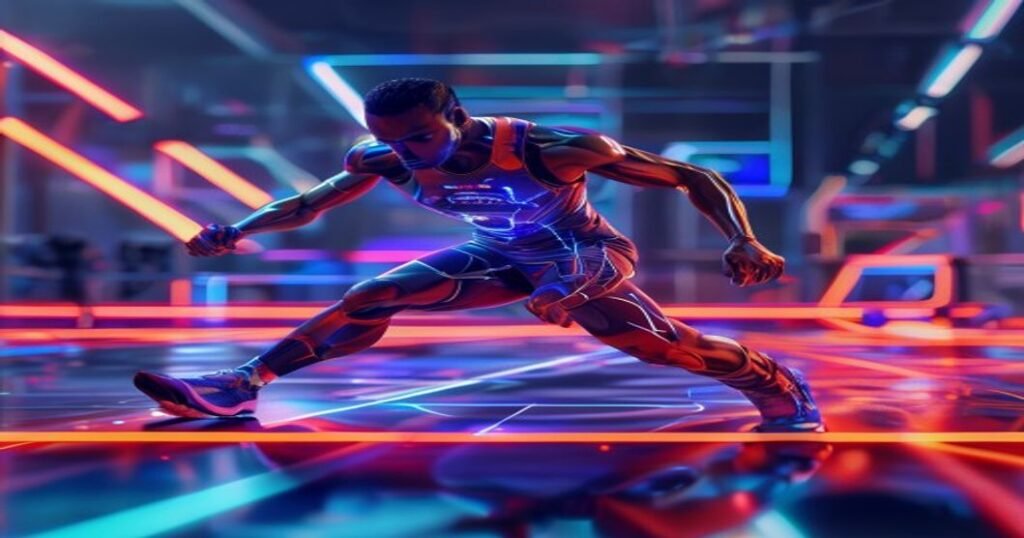

The Unstoppable Wave of AI Crashing into Sports
For centuries, sports have captivated us with raw human emotion, incredible athleticism, and the unpredictable drama of competition. From the thunderous roar of a stadium to the quiet focus of an athlete pushing their limits, it’s always been a celebration of what the human body and spirit can achieve. But let’s be real for a moment: there’s a new, invisible player stepping onto every field, court, and track, and it’s changing the game as we know it. I’m talking about Artificial Intelligence (AI), and it’s not just a fancy buzzword; it’s a profound, fundamental shift that’s transforming every corner of the sports universe.
It’s no secret that AI is reshaping industries far and wide. Just as it’s revolutionizing healthcare, finance, and even our daily commutes, creating a veritable AI tsunami across our globalized world, sports is absolutely no exception. What started as subtle data analytics is rapidly evolving into intelligent systems that predict, optimize, and personalize experiences for athletes, coaches, and fans alike. And frankly, it’s exhilarating, a little bit daunting, and utterly impossible to ignore.
If you’re still thinking of AI in sports as just fancy statistics, you’re missing the bigger picture. We’re talking about a complete rewiring – from how athletes train and prevent injuries, to how coaches strategize, how games are officiated, and even how you, the fan, consume and interact with your favorite teams. Get ready, because the future of sports is smarter, faster, and more data-driven than anything we’ve seen before.
Level Up: How AI is Forging Superhuman Athletes (Almost!)
The pursuit of peak performance is the athlete’s eternal quest, and AI is becoming their most powerful ally. Gone are the days of purely subjective coaching and ‘gut feelings.’ Now, every jump, every sprint, every swing can be meticulously analyzed, quantified, and optimized.
Precision Training & Performance Optimization
Imagine a personalized training regimen so precise it feels tailor-made just for you – because it is. Wearable technology, embedded sensors, and advanced biomechanical analysis systems are now standard tools in elite sports. AI processes mountains of data from these sources, providing insights into an athlete’s movement patterns, energy expenditure, and efficiency. It can pinpoint the exact angles causing stress on a knee during a jump or identify inefficiencies in a swimmer’s stroke. This isn’t about generalized advice; it’s about micro-adjustments that cumulatively lead to monumental gains.
Furthermore, AI-driven platforms can track an athlete’s sleep quality, nutrition intake, hydration levels, and even their mood. By integrating all these seemingly disparate data points, AI can create a holistic profile, recommending optimal training loads, rest periods, and dietary adjustments. The goal? To push human limits safely and effectively, allowing athletes to perform at their absolute best, day in and day out.
The Injury Prevention Revolution
Perhaps one of AI’s most impactful contributions is in the realm of injury prevention. In the high-stakes world of professional sports, an injury can derail careers and cost teams millions. AI leverages predictive analytics to identify patterns that might indicate impending fatigue or a heightened risk of injury. By analyzing historical data on an athlete’s performance, training load, and biomechanics, AI can flag potential issues before they manifest as full-blown injuries.
This means coaches and medical staff can intervene proactively, adjusting training schedules, providing targeted recovery protocols, or strengthening specific muscle groups. It’s about moving from reactive treatment to proactive prevention, keeping our favorite athletes on the field longer and reducing the heartbreak of sidelined stars. It’s truly a game-changer for athlete longevity.
The Brains Behind the Brawn: AI as the Ultimate Coach & Strategist
If AI is helping athletes perfect their physical game, it’s simultaneously giving coaches an unparalleled edge in the mental game. Strategy, once largely an art, is rapidly becoming a science, powered by intelligent systems.
Unlocking Game-Winning Strategies
Coaches used to spend countless hours poring over game footage, manually charting plays and identifying opponent tendencies. While human insight remains invaluable, AI can now do this with incredible speed and depth. AI algorithms can analyze thousands of hours of game film, identifying complex patterns in opponent formations, player movements, and decision-making under pressure. It can predict play calls, identify weaknesses in defensive structures, or suggest optimal offensive sequences based on historical success rates against specific opponents.
Imagine going into a match knowing with statistical certainty that a particular pass route has an 80% success rate against your opponent’s current defensive setup. This isn’t magic; it’s AI transforming raw data into actionable, game-winning insights. It can even run simulations of different scenarios, allowing coaches to test strategies virtually before ever stepping onto the field.
Real-Time Decision Making
The beauty of AI isn’t just in pre-game analysis; it’s in its ability to deliver real-time insights during the heat of competition. Coaches now have access to dashboards that provide instantaneous data on player performance, opponent adjustments, and tactical effectiveness. AI can alert a coach when a player’s fatigue levels are dipping, suggest a substitution based on predictive performance, or highlight an opponent’s new tactical shift that needs an immediate counter.
This real-time feedback loop allows for dynamic, data-driven decision-making, moving beyond intuition to a more informed, calculated approach. It’s making the sidelines feel a bit like a mission control center, constantly processing information to optimize outcomes.
Beyond the Bleachers: AI’s Grand Slam for Fan Engagement
It’s not just the players and coaches benefiting from AI; the entire fan experience is being revolutionized. From how we watch games to how we interact with our favorite teams, AI is making sports more immersive, personalized, and engaging than ever before.
A Personalized Spectator Experience
Remember when watching a game meant seeing whatever the director decided to show? Not anymore. AI is enabling a hyper-personalized viewing experience. Imagine an app that knows your favorite player and automatically generates a highlight reel featuring only their best moments, even during live play. Or perhaps you’re interested in advanced analytics; AI can overlay real-time statistics and player tracking data directly onto your screen, giving you a deeper understanding of the game.
From customized sports news feeds to interactive content and even augmented reality (AR) overlays that bring stadium stats to life, AI is putting the fan in control. And fans aren’t just watching; they’re interacting through apps that are constantly getting smarter, much like how AI is secretly rewiring your smartphone experience, making it more intuitive and personal to your preferences.
The Next Generation of Sports Media
AI is also transforming how sports content is created and distributed. Automated commentary, AI-generated match reports, and even AI-edited highlight packages are becoming common. This not only speeds up content creation but also allows for the production of tailored content for diverse audiences and platforms, reaching new fans with narratives and formats that resonate with them. AI can analyze social media sentiment during a game, identifying key moments and trending topics, allowing media outlets to react almost instantly with relevant content.
The Invisible Hand: AI’s Role in the Business of Sports
Beyond the field of play, AI is making significant waves in the operational and commercial aspects of sports, driving efficiency and opening up new revenue streams.
Scouting & Talent Identification
Finding the next superstar talent is a perennial challenge. AI tools can now sift through vast global databases of amateur and youth athletes, analyzing performance metrics, physical attributes, and even social media presence to identify promising prospects that might otherwise be overlooked by traditional scouting methods. This objective, data-driven approach allows teams to cast a wider net and make more informed decisions about player acquisition.
Monetization & Operational Efficiency
From dynamic ticket pricing that adjusts based on demand, opponent, and weather forecasts, to optimizing merchandise inventory based on fan preferences and trending players, AI is enhancing monetization strategies. On the operational front, AI-powered security systems can monitor crowds for anomalies, predictive maintenance can identify issues with stadium infrastructure before they become problems, and smart logistics can streamline everything from concessions to parking. The aim is a smoother, safer, and more profitable experience for everyone involved.
The Human Element: Navigating the Ethical Maze
With all this incredible advancement, it’s crucial to address the flip side. The integration of AI into sports isn’t without its ethical considerations. Questions about data privacy, bias in algorithms, and the potential for over-reliance on technology are legitimate and need careful navigation. Where do we draw the line between enhancement and unfair advantage? How do we ensure that AI doesn’t inadvertently perpetuate existing biases in scouting or officiating?
Furthermore, there’s the philosophical debate about the ‘spirit’ of sports. Will too much optimization diminish the spontaneity, the human error, and the sheer unpredictability that makes sports so compelling? My personal opinion is that AI should be an enhancer, a tool to help us reach new heights, not a replacement for human ingenuity, passion, and the inherent drama of competition. The real beauty of sports often lies in the imperfections and the unexpected turns. As athletes and coaches increasingly rely on these intelligent systems, transforming their devices into true intelligent companions, we must ensure these tools serve to elevate the human story, not overshadow it.
The Road Ahead: What’s Next for AI in Sports?
The journey of AI in sports is still very much in its early innings, or perhaps the first quarter, depending on your sport of choice. We can expect even more sophisticated predictive models, enabling hyper-personalized training programs that adapt in real-time to an athlete’s physiological and psychological state. Imagine AI-powered virtual reality simulations that perfectly mimic game-day pressure, allowing athletes to train their minds as intensely as their bodies.
For fans, expect deeper immersion. Holographic broadcasts, interactive stadiums where you can choose your camera angle and access bespoke stats on demand, and truly intelligent personal sports assistants that know your every preference are on the horizon. The integration will only deepen, making sports a richer, more engaging spectacle for everyone.
Conclusion: It’s Still Our Game, Just Smarter
Artificial Intelligence isn’t just tinkering around the edges of sports; it’s fundamentally rewiring its very DNA. From optimizing athlete performance and revolutionizing coaching strategies to creating unparalleled fan experiences and streamlining business operations, AI’s impact is profound and undeniable. It’s helping athletes reach new pinnacles, giving coaches unprecedented insights, and making the game more accessible and exciting for fans around the globe.
While we must remain mindful of the ethical challenges and ensure technology serves the human spirit of competition, one thing is clear: the future of sports is intrinsically linked with AI. It’s still our game, still filled with human grit, glory, and heartbreak, but now, it’s undeniably smarter, more efficient, and perhaps, even more thrilling. So, lean in, embrace the change, and get ready for a future where every game truly is an intelligent one. The whistle has blown, and AI is playing its part.


