

Let’s be honest: when you think about saving the planet’s most majestic (and sometimes critically endangered) creatures, what comes to mind? Dedicated rangers trekking through dense forests? Scientists poring over data in remote labs? Maybe even passionate activists making impassioned pleas? All vital, of course. But what if I told you that one of the most powerful allies in this fight isn’t a person, but an invisible force, a digital brain, working tirelessly behind the scenes? I’m talking about Artificial Intelligence, and it’s not just a buzzword for tech conferences anymore. It’s revolutionizing the very fabric of animal conservation and welfare in ways that will genuinely astound you.
For too long, the battle to protect our planet’s biodiversity has felt like an uphill climb against overwhelming odds. Poaching, habitat destruction, climate change – the challenges are immense. But then, quietly at first, AI started to step in, offering tools and insights that were once the stuff of science fiction. And let me tell you, the results are nothing short of transformative. This isn’t just about efficiency; it’s about giving species a fighting chance when human efforts alone, however heroic, aren’t enough.
The Silent Sentinels: AI’s Eyes and Ears in the Wild
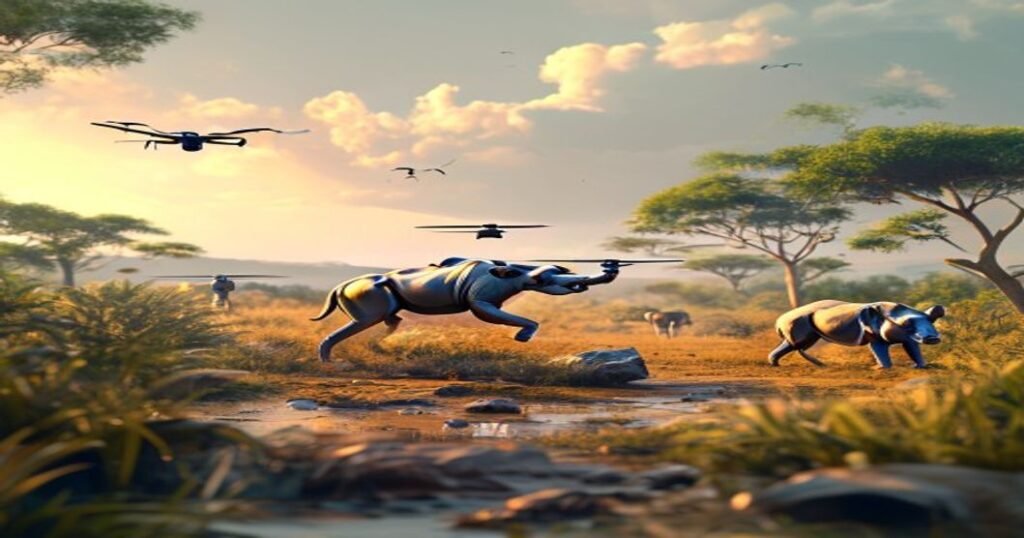
Imagine vast, untouched landscapes – a challenge for any human to monitor effectively. This is where AI truly shines. Drones equipped with AI-powered cameras can autonomously patrol national parks, identifying poachers or illegal logging activities with pinpoint accuracy, even in low light. These aren’t just flying cameras; they’re intelligent eyes in the sky, learning to differentiate between animals, vehicles, and human intruders. The sheer volume of data these systems can process, from thermal imaging to real-time video feeds, would overwhelm a human team in minutes.
It goes beyond visuals too. Bioacoustics, the study of animal sounds, has been completely supercharged by AI. Think about it: a forest is a symphony of calls, chirps, and rustles. Human ears can only pick out so much. But AI algorithms can listen to hours of audio, identifying specific species’ calls, detecting illegal gunshots, or even mapping out the health of an entire ecosystem based on its acoustic fingerprint. This allows conservationists to understand animal movements, population densities, and threats without ever disturbing the animals themselves.
This shift isn’t just making existing work easier; it’s fundamentally revolutionizing our very idea of work in the conservation field. Field rangers, instead of spending days tracking vague leads, can now focus on targeted interventions based on AI-generated alerts. Researchers can spend less time sifting through raw data and more time analyzing patterns and strategizing solutions. It’s empowering human experts with superhuman sensory capabilities.
Decoding Nature’s Secrets: AI for Understanding Animal Behavior and Health
One of the biggest hurdles in conservation is simply understanding what animals are doing, where they’re going, and how they’re truly faring. Traditional methods are often invasive or limited. Enter AI. Computer vision models can identify individual animals based on unique markings – like a tiger’s stripes or a whale’s fluke – allowing for non-invasive tracking of populations and individual life cycles. This is incredibly powerful for understanding migration patterns, social structures, and reproductive success without the stress of capture and tagging.
Moreover, AI is now being used to predict disease outbreaks in wildlife populations by analyzing environmental data, animal movements, and even social media trends (yes, really!). Imagine being able to anticipate a devastating illness like avian flu or African Swine Fever before it decimates an entire population. This predictive power offers a proactive defense that was previously unimaginable. We’re talking about early warning systems that can literally save species from the brink.
From the Wild to Your Home: AI in Pet Care and Urban Wildlife
The impact of AI isn’t confined to remote wilderness. It’s increasingly rewiring our world and your future, even for the furry, scaled, or feathered companions living under our roofs. Smart pet feeders use AI to monitor your pet’s eating habits, adjusting portions based on their activity levels and weight. AI-powered cameras can alert you to unusual behavior, allowing for early detection of health issues. Think about apps that can analyze your dog’s bark to tell if they’re lonely, playful, or in distress.
Even urban wildlife is benefiting. AI is helping cities manage human-wildlife conflicts, from optimizing placement of wildlife crossings to predicting where deer might wander into traffic. It’s about creating a more harmonious coexistence between us and the animals that share our increasingly urbanized world.
The Ethical Quagmire and the Human Element
Of course, with great power comes great responsibility, and AI in animal welfare is no exception. We need to grapple with ethical questions: Who owns the data collected on wild animals? How do we ensure these technologies don’t become tools for exploitation rather than protection? And what about the potential for bias in algorithms, even if unintended, that could harm certain species or ecosystems?
These are not trivial concerns. As we embrace AI, we must do so thoughtfully, with robust ethical frameworks and a commitment to transparency. The goal is always to augment human capability, not replace human judgment or compassion. The magic happens when the unwavering logic and processing power of AI are combined with the empathy, intuition, and deep understanding of human conservationists.
Looking Ahead: A Symbiotic Future
The future of animal conservation, in my humble opinion, is undeniably symbiotic. It’s a future where passionate humans, armed with advanced AI tools, can tackle challenges that once seemed insurmountable. From AI models that can predict the impact of climate change on specific species to personalized diagnostics for our pets, the possibilities are only just beginning to unfold. Indeed, it’s becoming clear that Generative AI isn’t just a trend, it’s rewiring our world (and your future) in profound ways, including how we coexist with all living things.
We’re moving beyond simple data collection to true predictive analytics, allowing us to intervene *before* a crisis, rather than reacting to one. This paradigm shift offers a glimmer of hope that we haven’t seen in a long time. It’s exciting, it’s challenging, and frankly, it’s absolutely essential if we want to ensure a vibrant, biodiverse planet for generations to come. So, next time you hear about AI, remember it’s not just optimizing your online experience; it’s out there, a silent guardian, helping protect the very wild heart of our world.

