

AI & 6G to the Rescue: Saving Earth’s Wildest Creatures by 2026
The year is 2026, and the world stands at a critical juncture for its most vulnerable inhabitants. Decades of habitat destruction, climate change, and poaching have pushed countless species to the brink of extinction. Yet, a new frontier of hope has emerged, powered by the convergence of Artificial Intelligence (AI) and 6th generation wireless technology (6G). What once seemed like science fiction is now reality: a hyper-connected, intelligently monitored planet where the cries of the wild are finally heard, understood, and acted upon with unprecedented precision and speed.
No longer are conservation efforts limited by human bandwidth or geographical constraints. In 2026, AI algorithms process terabytes of data from remote sensors, drones, and satellites, identifying patterns, predicting threats, and even deciphering the intricate communications of the animal kingdom. This technological revolution isn’t just an upgrade; it’s a paradigm shift, fundamentally reshaping how we interact with and protect biodiversity.
The Dawn of the Hyper-Connected Wilderness: 6G’s Ubiquitous Reach
One of the foundational elements transforming wildlife conservation is the widespread deployment of 6G networks. Beyond mere speed, 6G offers ultra-low latency, massive connectivity, and integrated sensing capabilities, creating a truly hyper-connected reality across even the most remote wilderness areas. Imagine vast national parks, dense rainforests, and expansive oceans now teeming with unobtrusive, energy-harvesting sensors that constantly feed real-time environmental data into central AI systems.
- Micro-sensors & Bio-tags: Miniaturized sensors attached to animals (non-invasively, of course) now transmit vital health statistics, movement patterns, and even stress levels, all powered by ambient energy harvesting.
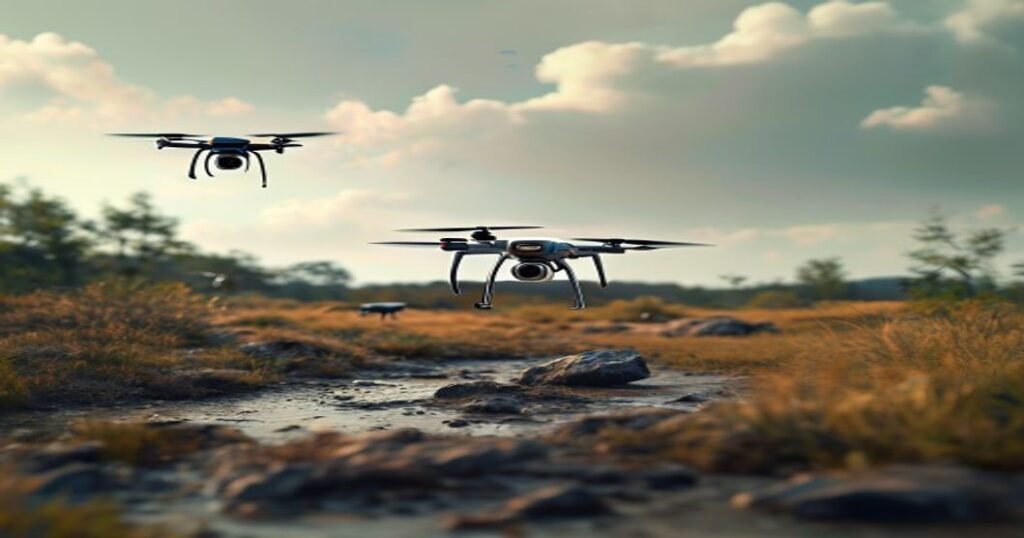
- Drone Fleets & Satellite Constellations: Autonomous drone swarms conduct daily patrols, identifying anomalies, mapping changes in vegetation, and even detecting poacher activity from kilometers away. High-resolution satellite imagery, processed by AI, provides macro-level insights into deforestation, land use changes, and migration routes.
- Acoustic & Olfactory Networks: AI-powered acoustic sensors listen for the faintest sounds of specific species, abnormal noises, or even gunshots. Olfactory sensors, still in their early stages, are beginning to detect the presence of certain animals or human intruders by scent signatures.
This unprecedented data flow, enabled by 6G, means that conservationists possess a ‘sixth sense’ for the wild, allowing for proactive, rather than reactive, intervention. Every rustle in the leaves, every shift in temperature, every distant call is now a data point contributing to a holistic understanding of ecosystems.
AI’s Omniscient Eye: From Tracking to Prediction
With 6G providing the data highways, AI acts as the ultimate analyst and strategist. Machine learning algorithms, trained on decades of ecological data, can now:
- Predict Migration & Behavior: AI models analyze weather patterns, food availability, and historical data to predict animal migration paths, breeding cycles, and potential conflict zones with human settlements, allowing for preventative measures.
- Identify Individual Animals: Advanced facial recognition for primates, stripe analysis for zebras, and unique spot patterns for big cats allow AI to track individual animals across vast distances, monitoring their health and social dynamics without direct human interference.
- Detect Disease Outbreaks: By analyzing subtle changes in animal behavior, movement, or physiological data (from bio-tags), AI can detect early signs of disease outbreaks, enabling rapid quarantine and treatment to prevent widespread epidemics.
This level of detailed, real-time insight represents a profound reality shift in conservation. Instead of broad, generalized strategies, AI allows for hyper-personalized approaches, tailored to the specific needs of individual animals, populations, or micro-ecosystems.
The Power of Personalized Conservation in 2026
One of the most exciting advancements in 2026 is the ability of AI to enable truly personalized conservation efforts. Just as AI has transformed human experiences, it is now revolutionizing how we care for our planet’s inhabitants.
Tailored Interventions for Vulnerable Species
AI’s analytical prowess extends to crafting bespoke conservation strategies. For a specific rhino, AI might recommend altering patrol routes based on its individual roaming patterns, or for a particular marine mammal, it might predict the optimal time and location for a feeding intervention based on ocean currents and prey availability. This ‘micro-conservation’ approach ensures resources are allocated precisely where they are needed most.
AI-Assisted Rehabilitation and Reintroduction
For injured or orphaned animals, AI assists veterinarians in diagnosis, treatment planning, and even predicting recovery timelines. When it comes to reintroduction into the wild, AI models simulate various scenarios, identifying optimal release sites and timings, thereby maximizing the chances of successful reintegration. This goes beyond the screen, directly impacting the physical reality of these animals’ lives and their future in the wild.
Combatting the Silent War: AI Against Poaching
Poaching remains one of the greatest threats to endangered species, but AI is turning the tide. Predictive analytics, combined with real-time surveillance, has become a formidable weapon.
- Intrusion Detection: AI systems analyze drone footage, acoustic sensor data, and ground sensor networks to distinguish between wildlife and human movement, flagging suspicious activity instantly.
- Predictive Patrols: AI models analyze historical poaching data, weather patterns, and even local economic indicators to predict high-risk areas and times, allowing anti-poaching units to deploy resources more effectively and intercept poachers before they strike.
- Forensic Analysis: In the unfortunate event of a poaching incident, AI tools can analyze crime scenes, cross-referencing data to identify patterns, common methods, and even potential perpetrators, aiding in investigations and prosecutions.
Decoding the Wild: AI and Animal Communication
Perhaps the most awe-inspiring development is AI’s increasing ability to understand animal communication. Bio-acoustics, powered by deep learning, can now differentiate between the calls of individual animals, interpret specific distress signals, and even identify nuanced social interactions within groups. Researchers are actively working on AI models that can translate complex animal vocalizations, opening up unprecedented avenues for understanding their cognitive worlds and emotional states.
Navigating the Ethical Minefield and Data Deluge
While the benefits are immense, the proliferation of AI and 6G in conservation also presents ethical and practical challenges. The sheer volume of data generated by these systems requires sophisticated management and robust cybersecurity protocols. There are concerns about privacy – not just for humans interacting with wildlife, but also the ethical implications of constant surveillance of animal populations. Moreover, the reliance on AI necessitates careful consideration of algorithmic bias and ensuring that technology augments, rather than replaces, invaluable human expertise and traditional ecological knowledge.
Conservationists and policymakers in 2026 are actively engaged in navigating reality in this new age of AI-driven insights. Discerning accurate, actionable intelligence from the massive streams of AI-generated data is crucial. Just as societies grapple with AI-generated news, the conservation community must validate findings, critically assess predictions, and ensure that the technology truly serves the best interests of wildlife, avoiding unintended consequences or misinterpretations.
Conclusion: A Brighter Future for Biodiversity?
In 2026, the convergence of AI and 6G has undeniably ushered in a new era for wildlife conservation. From hyper-connected monitoring systems that act as the planet’s nervous system to intelligent algorithms that predict threats and personalize interventions, technology is empowering humanity to protect the natural world with unprecedented efficacy. While challenges remain, particularly in the ethical deployment and interpretation of vast data, the promise of a future where humans and animals can truly coexist, understood and safeguarded by advanced intelligence, shines brighter than ever before. The wild, once silent and vulnerable, now has a voice, amplified and protected by the cutting edge of innovation.


