
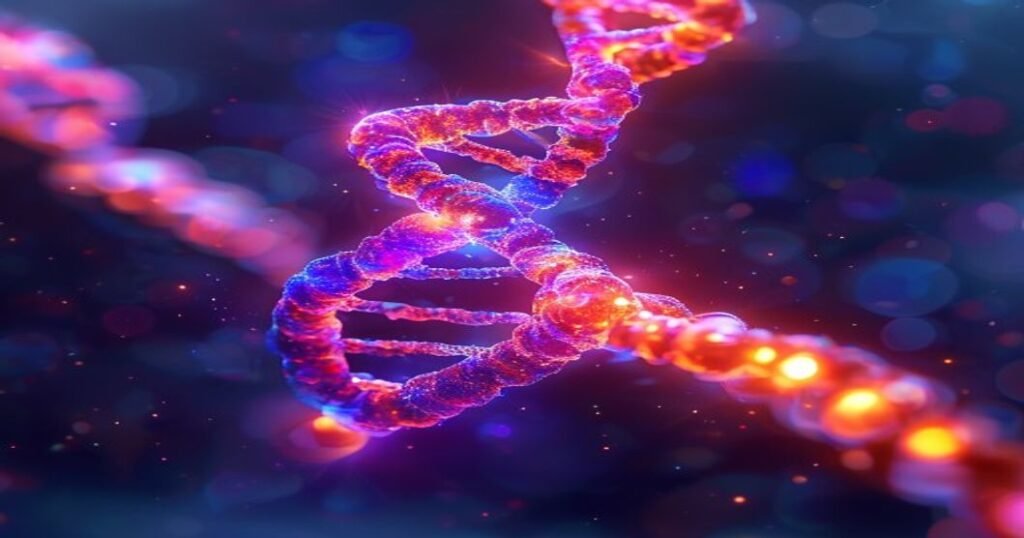

Remember the days when healthcare felt like a one-size-fits-all solution? You’d visit the doctor, get a general diagnosis, and be prescribed a standard treatment. Well, hold onto your stethoscopes, because that era is rapidly becoming a relic of the past. We’re standing on the precipice of a monumental shift in how we approach wellness, disease, and even our own biological destinies. This isn’t just an upgrade; it’s a complete reimagining, driven by the explosive convergence of Artificial Intelligence (AI) and groundbreaking genetic technologies.
As someone who’s constantly peering into the future of technology and its impact on our lives, I can tell you that the health sector is undergoing perhaps the most profound transformation. What was once science fiction – doctors understanding your unique genetic makeup, predicting illnesses before they strike, and crafting treatments tailored just for you – is now becoming a breathtaking reality. It’s truly personal, and it’s exhilarating.
The AI Doctor in Your Pocket: Beyond Wearables and Apps
When we talk about AI in health, many people immediately think of fitness trackers or calorie-counting apps. While those are certainly part of the digital health landscape, they’re just the tip of the iceberg. The real revolution is far more sophisticated. AI is becoming an indispensable assistant, even a diagnostic partner, for healthcare professionals and, increasingly, for us.
Imagine an AI that can analyze your medical records, scan millions of research papers, and even cross-reference your symptoms with real-time global health data faster than any human could. This isn’t merely about processing information; it’s about identifying patterns, predicting risks, and suggesting treatment pathways with unparalleled accuracy. We’re seeing AI excel in areas like radiology, where it can detect minute abnormalities in scans that might elude the human eye, or in drug discovery, dramatically accelerating the time it takes to find new therapies. This technology isn’t replacing doctors; it’s augmenting their capabilities, giving them superpowers to deliver better, more precise care.
And it’s not just in the clinic. Our daily lives are already being quietly shaped by AI, often right in the palm of our hands. From personalized health coaching apps that adapt to your progress to smart devices that monitor vital signs and alert you (and potentially your doctor) to anomalies, AI is embedding itself into our preventative health strategies. This pervasive integration truly highlights how Your Pocket Just Got Smarter: The AI Revolution Reshaping Smartphones (And Your Entire Digital Life), turning our mobile devices into potent health companions.
Unlocking Your Genetic Blueprint: The Age of Genomics
For centuries, medicine treated the body as a black box. We could observe symptoms, infer causes, and apply general treatments. But what if we could read the instruction manual for each individual? That’s precisely what genomics allows us to do. Thanks to massive advancements in DNA sequencing, understanding our genetic blueprint is no longer the stuff of high-tech labs and exorbitant costs. It’s becoming increasingly accessible, offering unprecedented insights into our predispositions, our unique metabolic pathways, and how we might respond to different medications.
This isn’t about fortune-telling; it’s about informed prevention and highly targeted intervention. Knowing you have a genetic predisposition to a certain condition can empower you to make lifestyle changes, undergo more frequent screenings, or even consider preventative therapies long before symptoms manifest. For those already battling illness, genomic sequencing can identify the specific genetic mutations driving their disease, paving the way for therapies that target those very mutations, leading to much higher success rates and fewer side effects.
CRISPR: The Ultimate Genetic Editor
And then there’s CRISPR. Oh, CRISPR. This technology, often described as ‘genetic scissors,’ has truly changed the game. It allows scientists to precisely edit DNA sequences, essentially correcting genetic errors that lead to devastating diseases. Imagine a typo in a massive instruction manual; CRISPR provides the tools to find that typo and correct it with incredible accuracy. From tackling inherited conditions like cystic fibrosis and sickle cell anemia to potentially even engineering enhanced disease resistance, the possibilities are staggering.
Of course, with such power comes immense responsibility and ethical debates, particularly when it comes to editing human germlines. But the therapeutic potential, focusing on somatic cells (non-heritable changes), is already being explored in numerous clinical trials. It’s a technology that not only promises to revolutionize human health but also has profound implications across the biological spectrum. If you’re curious about its broader impact, it’s worth diving into how Rewriting the Wild: How CRISPR is Unleashing a Revolution in the Animal Kingdom (And Why We Should Pay Attention).
Personalized Medicine: The New Frontier
This is where AI and genomics truly shine together. AI analyzes vast genomic datasets, identifies correlations, and helps predict outcomes, while CRISPR offers the potential to act on those insights. The synergy creates a healthcare paradigm centered around the individual. This ‘precision medicine’ approach means:
-
Tailored Drug Dosages:
No more trial-and-error with medications. Your genetic makeup can predict how you’ll metabolize a drug, ensuring optimal efficacy and minimizing adverse reactions.
-
Preventative Strategies:
AI-powered risk assessments, informed by your genes and lifestyle, can guide highly personalized preventative plans, focusing on diet, exercise, and screenings that are most relevant to you.
-
Targeted Therapies:
For diseases like cancer, genetic sequencing of tumors, combined with AI analysis, can identify specific mutations, leading to therapies that attack the cancer cells while sparing healthy tissue.
-
Lifestyle Optimization:
Beyond illness, understanding your genetics can inform optimal nutrition, fitness routines, and even sleep patterns that are best suited for your unique biology.
It’s about shifting from reactive sick care to proactive health management. It’s about not just treating disease, but cultivating a life of optimal well-being based on the most accurate data available: your own.
The Human Element: Ethical Dilemmas and the Future of Work in Health
Of course, no revolution comes without its challenges and ethical quandaries. Data privacy, accessibility, and the potential for genetic discrimination are serious concerns that demand thoughtful regulation and societal dialogue. Who owns your genetic data? How do we ensure these incredible advancements don’t widen the gap between the privileged and the underserved?
Moreover, the role of healthcare professionals is evolving dramatically. The future doctor won’t just be a diagnostician; they’ll be an interpreter of complex AI insights, a counselor for genetic predispositions, and a navigator through a landscape of personalized treatments. This demands new skills, continuous learning, and an embrace of technology as a partner. It’s a seismic shift, and as we’ve discussed across many sectors, understanding how The AI Job Tsunami: Not a Threat, But the Ultimate Career Catalyst (Here’s How to Ride the Wave) is becoming paramount for medical practitioners and researchers alike.
The Road Ahead: Hope and Responsibility
I believe we are entering a golden age of health. The fusion of AI and genetic technologies offers us a future where debilitating diseases are rare, where our lifespans are not just longer but healthier, and where healthcare is truly bespoke. It’s a future where we move beyond treating symptoms to understanding the root causes, from generalized advice to hyper-personalized interventions.
This isn’t merely a technological fantasy; it’s a rapidly unfolding reality. As content creators and enthusiastic observers of innovation, we at startupurdu.com are incredibly excited to witness and report on these transformations. It’s a journey that will require vigilance, ethical consideration, and a commitment to ensuring these breakthroughs benefit all of humanity. But make no mistake: the future of your health is no longer a matter of chance; it’s increasingly a matter of data, intelligence, and personalized precision. And that, my friends, is a future worth embracing.


