
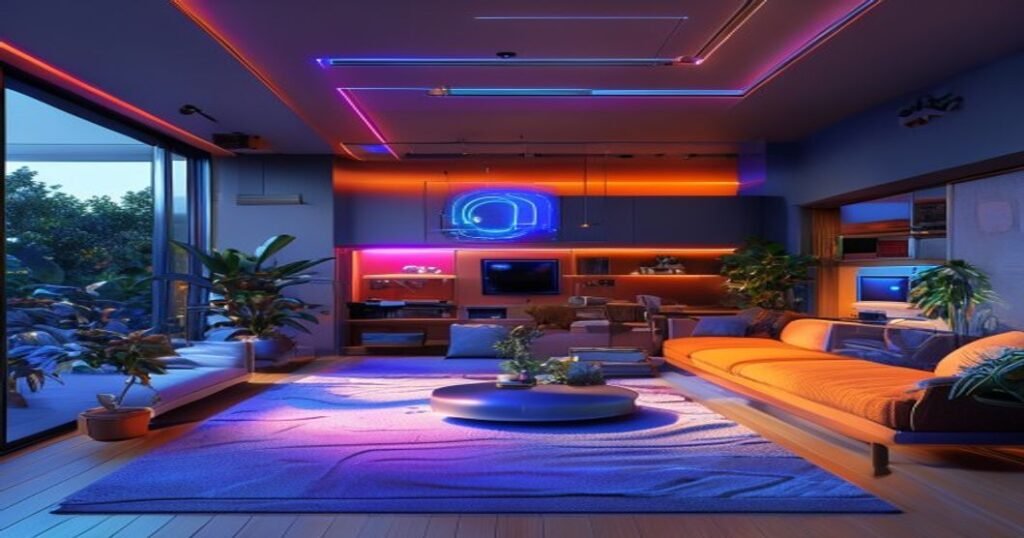

Remember when ‘smart home’ just meant a fancy thermostat or lights you could control from your phone? Ah, those innocent times! Fast forward to now, and we’re not just living in ‘smart’ homes; we’re witnessing a complete metamorphosis of our living spaces. We’re talking about environments that don’t just respond to us, but anticipate our needs, adapt to our moods, and actively work to reduce our environmental footprint. This isn’t just a trend; it’s a full-blown revolution, and it’s powered by the incredible convergence of Artificial Intelligence (AI) and sustainable design principles.
As a seasoned observer of the tech and design worlds, I can tell you this much: what’s happening in interior design right now is less about picking the perfect throw pillow and more about orchestrating a symphony of data, algorithms, and eco-conscious choices. It’s about creating spaces that are not only beautiful but also intelligent, efficient, and profoundly responsive to both human well-being and planetary health. Let’s dive deep into how AI and sustainable design are becoming the new power couple of our interiors.
The Intelligent Home: Beyond Gadgets, Towards Intuition
Forget the clunky smart gadgets of yesteryear. The modern intelligent home is a living, breathing entity, constantly learning and adapting. At its core, this intelligence is driven by AI. Think about it: your smart lighting system isn’t just turning on when you tell it to; it’s learning your daily patterns, adjusting brightness and color temperature based on the time of day, external light conditions, and even your personal preferences gleaned over weeks of observation. Your heating and cooling aren’t just reacting to a set temperature; they’re predicting your arrival home, optimizing energy use based on external weather forecasts, and even detecting occupancy to avoid heating empty rooms.
This level of seamless integration and predictive capability is where the magic truly happens. AI acts as the central nervous system, processing vast amounts of data from sensors, cameras, and user interactions to create a truly bespoke living experience. It’s the silent force orchestrating everything, from adjusting air quality to initiating your favorite morning playlist before you even step out of bed. In essence, AI is becoming the invisible architect silently rebuilding our world, creating spaces that feel less like tech showcases and more like intuitive extensions of ourselves. This isn’t just about convenience; it’s about optimizing comfort, security, and ultimately, our quality of life.
Sustainability: No Longer a Niche, But a Necessity
Parallel to the rise of AI, there’s been an undeniable shift towards sustainability in every aspect of our lives, and interior design is no exception. The conversation has moved beyond just recycling bins to encompass the entire lifecycle of our homes, from the materials we use to the energy we consume. We’re increasingly aware that our living choices have a tangible impact on the planet, and designers, architects, and homeowners alike are seeking ways to lessen that impact.
Sustainable design isn’t just a moral imperative; it’s smart business and smart living. It involves choosing eco-friendly, non-toxic, and locally sourced materials. It means maximizing natural light and ventilation to reduce energy consumption. It’s about minimizing waste during construction and renovation, and selecting furniture and decor that are built to last, or can be easily recycled or repurposed. From reclaimed wood and bamboo flooring to low-VOC paints and energy-efficient appliances, the options for creating an environmentally conscious home are more abundant and stylish than ever before. This commitment to sustainability is rapidly becoming the baseline expectation, not a premium feature.
The Synergistic Power: Where AI Meets Green Living
Here’s where it gets truly exciting: when AI and sustainable design don’t just coexist, but actively collaborate. AI isn’t just making our homes smart; it’s making them smarter about being green. Consider the potential:
-
Energy Optimization:
AI-powered systems can analyze energy consumption patterns, external weather data, and even utility pricing to autonomously adjust heating, cooling, and lighting for maximum efficiency. They can identify energy leaks, suggest improvements, and even integrate with renewable energy sources like solar panels to manage power flow intelligently. This isn’t just about saving a few bucks; it’s about significantly reducing your carbon footprint without lifting a finger.
-
Material Selection & Resource Management:
Imagine an AI assistant helping you choose sustainable materials for your renovation, providing data on their environmental impact, durability, and sourcing. Beyond design, AI can monitor water usage, detect leaks, and even suggest optimal watering schedules for indoor plants, minimizing waste.
-
Air Quality & Health:
Indoor air pollution can be a serious health concern. AI-driven sensors can monitor air quality for pollutants, allergens, and CO2 levels, automatically triggering air purifiers or adjusting ventilation systems. This not only creates a healthier living environment but also uses energy efficiently by only operating when needed.
-
Waste Reduction:
While not directly an interior design aspect, AI in smart homes can integrate with waste management systems, offering insights into household waste patterns and encouraging better recycling habits. Imagine a smart bin that sorts waste automatically or reminds you of collection days!
The ability of AI to collect, analyze, and act upon vast quantities of environmental data is what elevates sustainable design from a good intention to a highly optimized practice. It’s making eco-friendly living not just achievable, but effortless. And for any startup in the interior design or smart home tech space, ignoring this convergence would be a critical mistake. Frankly, the AI tipping point is here, and startups not riding this wave are already sunk. This isn’t an optional upgrade; it’s the fundamental operating system for future success.
Personalization on Steroids: AI-Driven Design Aesthetics
Beyond efficiency and sustainability, AI is also fundamentally changing how we approach aesthetics and personalization in our homes. Gone are the days of one-size-fits-all design templates. AI can analyze your preferences, habits, and even biometric data (if you choose) to craft spaces that are uniquely tailored to you.
-
Generative Design:
AI algorithms can generate countless design options based on your input – preferred styles, colors, furniture types, and even budgetary constraints. This significantly speeds up the design process and opens up possibilities that human designers might not initially consider.
-
Adaptive Environments:
Imagine a living room that subtly changes its lighting, soundscape, and even projected wall art based on your mood, the time of day, or the activity you’re engaged in. Working? The lighting adjusts for focus. Relaxing? It shifts to a warmer, softer glow. AI makes these truly adaptive, personalized environments a reality.
-
Virtual Staging & Augmented Reality:
AI powers sophisticated virtual staging tools and AR apps that allow you to visualize furniture and decor in your actual space before making a purchase. This reduces costly mistakes and helps homeowners make more confident design decisions.
This level of bespoke design, driven by intelligent algorithms, is creating an unprecedented demand for innovative solutions. It’s clear that the AI gold rush is in full swing, and every startup’s future hinges on riding this unstoppable wave, especially those in the design and home improvement sectors. The ability to offer highly customized, intelligent, and sustainable solutions is no longer a luxury, but a competitive edge.
The Human Touch: Navigating Challenges and Embracing the Future
Of course, with great power comes great responsibility. The rise of AI in our homes isn’t without its considerations. Privacy concerns, the potential for over-reliance on technology, and the importance of maintaining a sense of ‘home’ amidst all the automation are all valid points. The goal isn’t to replace human intuition or connection but to enhance it.
The best AI-integrated sustainable designs are those that remain invisible when they should, only stepping forward to assist and optimize when necessary. They prioritize user control, transparency, and data security. The ‘human touch’ in design becomes even more critical – ensuring that technology serves our well-being, fosters connection, and creates spaces that feel truly inviting, not just technically advanced.
Looking Ahead: What’s Next for Intelligent, Green Interiors?
The journey has only just begun. We can expect even more sophisticated AI models capable of truly generative design, perhaps even creating architectural elements from scratch based on complex environmental and user parameters. Predictive maintenance will become commonplace, with AI alerting us to potential issues in our homes before they become problems. Imagine self-repairing materials or dynamic spaces that physically reconfigure themselves based on immediate needs.
The ultimate vision is a home that acts as a true partner in our lives – a sustainable sanctuary that constantly evolves to support our health, happiness, and connection to the planet. It’s a future where efficiency, beauty, and intelligence are seamlessly woven into the very fabric of our living spaces.
Conclusion: Design for a Better Tomorrow, Today
The convergence of AI and sustainable interior design isn’t just reshaping our homes; it’s redefining our relationship with our environment and our understanding of comfort and efficiency. It’s a powerful testament to how technology, when wielded thoughtfully and ethically, can serve a greater purpose – creating living spaces that are healthier for us, smarter for our routines, and kinder to our planet. As we move forward, embracing these intelligent, eco-conscious design principles won’t just be about having a modern home; it’ll be about building a better future, one thoughtfully designed space at a time.


