
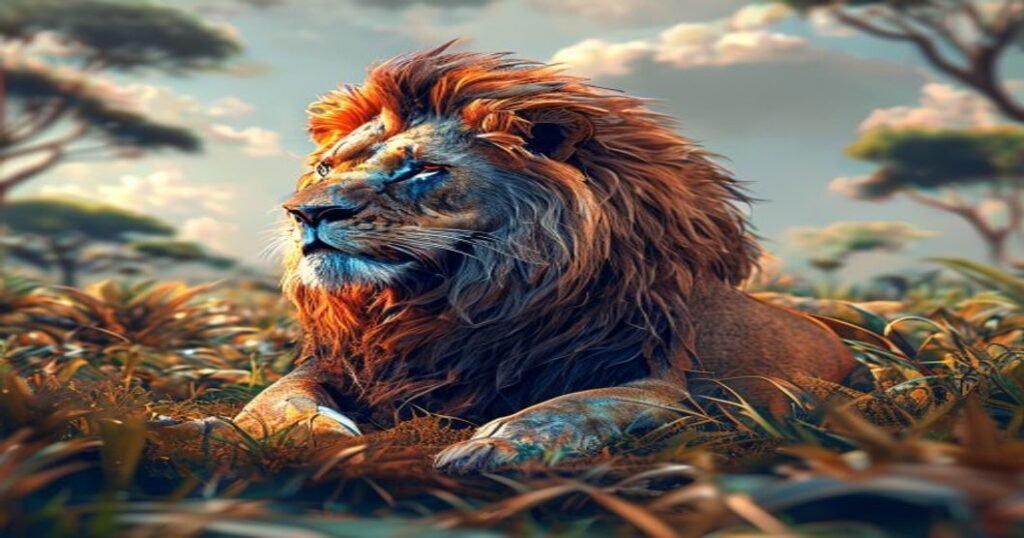

From Serengeti to Your Sofa: How AI is Revolutionizing Animal Lives (And Saving the Planet)
Let’s be honest, for a long time, the phrase ‘artificial intelligence’ conjured images of robots taking over the world or hyper-efficient algorithms optimizing our Netflix queues. But what if I told you that this very same technology is quietly, yet profoundly, changing the fate of animals, from the majestic lions of the Serengeti to the pampered pets curled up on your sofa? It’s not just a futuristic fantasy; it’s happening right now, and frankly, it’s nothing short of breathtaking.
We’re living in an era where wildlife populations are under immense pressure, habitats are shrinking, and human-animal conflicts are on the rise. It’s easy to feel overwhelmed, even hopeless. But then, enter AI. It’s stepping up as a silent, powerful ally, offering solutions that were once confined to the realm of science fiction. I genuinely believe we are witnessing a paradigm shift, where cutting-edge technology is becoming a lifeline for creatures great and small, and it’s a story everyone needs to hear.
The Silent Guardians: AI in Wildlife Conservation
Imagine trying to monitor thousands of square miles of dense forest or vast oceans, tracking elusive animals, and identifying threats in real-time. It sounds impossible for humans alone, doesn’t it? This is where AI truly shines, transforming conservation from a reactive, often desperate struggle, into a proactive, data-driven mission.
Eyes in the Sky, Ears on the Ground: Advanced Monitoring
Forget old-school tracking tags. Today, AI-powered drones soar above national parks, meticulously counting animal populations, identifying individual animals, and even flagging unusual activity. Satellite imagery, combined with machine learning algorithms, maps habitat changes with astonishing precision, helping conservationists understand where animals are thriving and where they need help most. But it’s not just about what we see.
Acoustic sensors, placed discreetly in remote areas, are now listening intently to the symphony of the wild. AI analyzes these vast streams of audio data, distinguishing the distinct calls of specific species, identifying gunshots that signal poaching, or even recognizing the sounds of chainsaws indicating illegal logging. This capability, much like how The AI Encore: How Artificial Intelligence is Reshaping Everything You Watch, Listen To, and Play is revolutionizing media consumption, applies sophisticated algorithms to interpret complex sensory information, giving us an unprecedented understanding of ecosystems.
Outsmarting Poachers: Predictive Analytics and Real-time Threat Detection
Poaching remains one of the most devastating threats to endangered species. Traditionally, anti-poaching efforts have been a dangerous game of cat and mouse. AI is changing the rules. By analyzing historical poaching data, weather patterns, moon cycles, and even social media trends, AI algorithms can predict where and when poaching is most likely to occur. This allows rangers to deploy resources strategically, intercepting poachers before they even have a chance to strike.
Furthermore, AI-powered camera traps don’t just take pictures; they can instantly identify humans, vehicles, and even specific animal species, sending real-time alerts to command centers. Imagine a rhinocerous sanctuary where AI constantly monitors for threats, giving rangers precious minutes, even hours, to react. This proactive approach is saving lives and turning the tide against illegal wildlife trade, proving that technology can be a powerful guardian.
Understanding the Unseen: Behavioral Analysis and Disease Tracking
Understanding animal behavior is crucial for effective conservation. AI can process countless hours of video footage, identifying subtle behavioral patterns that humans might miss, offering insights into social structures, breeding habits, and responses to environmental changes. This isn’t just academic; it helps us design better conservation strategies, ensuring animals have the space and resources they need to flourish.
Equally vital is the early detection of diseases. AI is being used to analyze images of animal feces, fur, or even drone footage to identify signs of illness or stress within populations. This early warning system can prevent outbreaks from devastating entire species, a critical tool in a world where wildlife populations are increasingly interconnected with human activities.
Beyond the Wild: AI’s Impact on Domestic Animals and Pet Care
The revolution isn’t confined to the wild. If you have a pet, chances are AI is already impacting their daily life, often in ways you haven’t even noticed. Much like how Beyond the Screen: How AI is Quietly Remaking Your Daily Lifestyle (And Why You’re Already Loving It) describes AI’s subtle integration into human routines, it’s doing the same for our furry, feathered, and scaled companions.
A Healthier, Happier Home: AI in Veterinary Diagnostics and Personalized Pet Care
In veterinary medicine, AI is a game-changer. It assists vets in diagnosing complex conditions by analyzing X-rays, MRIs, and blood tests with incredible speed and accuracy, often catching subtle anomalies that even the most experienced human eye might miss. This means faster, more precise diagnoses and better treatment plans for our beloved companions.
Beyond the clinic, smart pet feeders use AI to dispense customized food portions based on your pet’s age, weight, and activity level. AI-powered collars monitor vital signs, track activity, and even alert owners to unusual behaviors that might indicate health issues. Want to know what your dog does all day? AI-enabled pet cameras not only let you watch but can even alert you to barking, meowing, or other distressed sounds. It’s about providing a truly personalized level of care, optimizing their nutrition, exercise, and overall well-being.
Shelters and Sanctuaries: Optimizing for a Brighter Future
Animal shelters face immense challenges, from managing countless animals to finding them forever homes. AI is streamlining operations by matching potential adopters with pets based on lifestyle, experience, and preferences, increasing the chances of successful, long-term placements. It can also help shelters manage inventory, predict resource needs, and even identify animals most in need of urgent care. This kind of systematic optimization, akin to The Silent Revolution: How AI is Reshaping Our World and Unlocking Human Potential across various sectors, ensures that resources are used effectively, maximizing impact for animals awaiting their new families.
The Ethical Tightrope and the Human Touch
Of course, no technological revolution comes without its caveats. While AI offers incredible potential, we must navigate it responsibly. Concerns about data privacy (especially with pet-tracking devices), algorithmic bias, and the potential for over-reliance on technology are valid. We must ensure that AI remains a tool to augment human efforts, not replace the essential human element of compassion, empathy, and hands-on care.
The development of these technologies also raises questions about accessibility. Ensuring that developing nations and smaller conservation groups have access to these powerful tools is crucial for equitable global impact. AI is only as good as the data it’s fed, and biased or incomplete data can lead to flawed outcomes. Therefore, meticulous data collection and ethical algorithm design are paramount.
The Road Ahead: An Optimistic Future
The future for AI in the animal kingdom is incredibly bright. We’re on the cusp of even more sophisticated applications, from AI-designed sustainable habitats to AI-driven genetic research that could help revive endangered species. Imagine AI models simulating complex ecosystems to understand the ripple effects of climate change, or even creating personalized enrichment programs for animals in zoos and sanctuaries. This innovative application, in a way, echoes how Unleashing the Creative Storm: How Generative AI Is Redefining Art, Work, and Our Future is pushing boundaries across human endeavors.
The collaboration between conservationists, veterinarians, and AI experts is creating a synergistic force, tackling challenges that once seemed insurmountable. It’s a testament to human ingenuity and our enduring commitment to protecting the incredible biodiversity of our planet.
A New Era of Stewardship
From the vast, untamed wilderness to the cozy corners of our homes, AI is proving to be an indispensable ally in the quest to protect and improve the lives of animals. It’s a story of hope, innovation, and a profound shift in how we approach our role as stewards of this planet. While AI doesn’t have emotions, its application in animal welfare certainly evokes a powerful one in us: a renewed sense of optimism that, with smart technology and dedicated human effort, we can indeed secure a brighter future for all creatures, great and small.


