
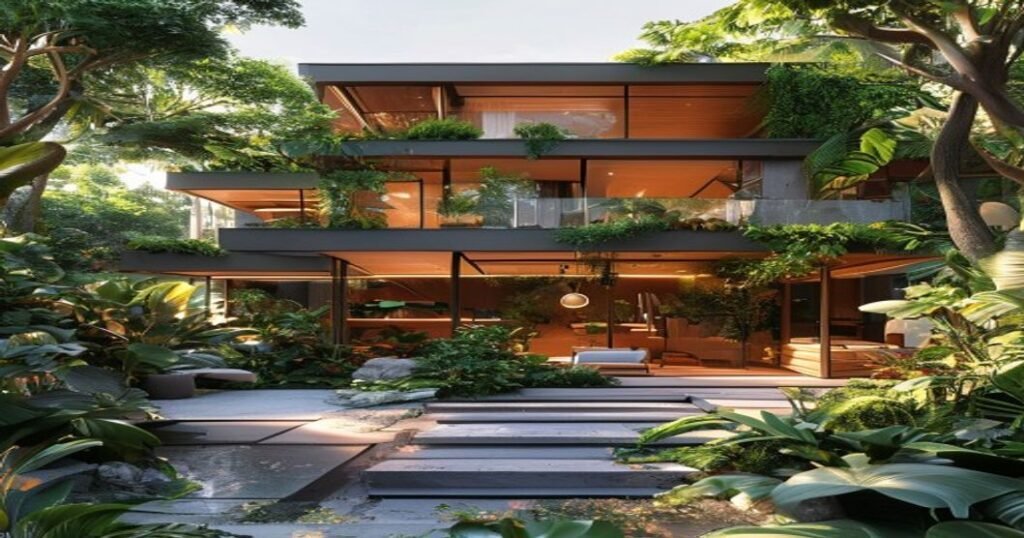

The Sanctuary Revolution: How Sustainable & Smart Design is Transforming Our Homes into Wellness Havens
Let’s be honest, our homes have always been more than just four walls and a roof. They’re our refuge, our personal museums of memories, and often, the silent witnesses to our daily lives. But something profound is shifting. The latest trends in interior design aren’t just about aesthetics anymore; they’re about creating spaces that actively nurture our well-being, protect the planet, and seamlessly integrate into our lives with an almost intuitive intelligence. We’re talking about the powerful convergence of sustainable principles, biophilic design, and smart home technology – a revolution that’s turning ordinary houses into extraordinary wellness havens.
I remember a time when ‘eco-friendly’ in design often conjured images of stark, minimalist spaces or rustic, unfinished looks. And ‘smart home’ meant a clunky remote control for your lights. Oh, how far we’ve come! Today, the vision is far more sophisticated, luxurious even, and deeply human-centered. It’s about crafting environments that breathe with us, adapt to our moods, and lighten our environmental footprint without sacrificing an ounce of style or comfort. This isn’t just a fleeting fad; it’s the new standard for how we build, furnish, and live in our homes.
The Green Heartbeat: Embracing Sustainable Interior Design
At the core of this transformation is sustainable interior design. It’s no longer an optional extra; it’s an ethical imperative. For years, we’ve filled our homes with materials that off-gas harmful chemicals, furniture that ends up in landfills, and processes that deplete our natural resources. But now, designers and homeowners alike are waking up to the critical importance of making better choices.
What Does Sustainable Design Truly Mean?
- Eco-Friendly Materials: Think bamboo flooring, recycled glass countertops, reclaimed wood, natural linoleum, organic cotton fabrics, and low-VOC (Volatile Organic Compound) paints. These materials don’t just look good; they contribute to healthier indoor air quality.
- Energy Efficiency: From smart lighting systems that reduce consumption to high-performance windows that regulate temperature, the goal is to minimize energy waste. This also means choosing energy-efficient appliances and designing spaces to maximize natural light and ventilation.
- Reduced Waste & Longevity: It’s about more than just recycling. It’s about investing in high-quality, durable pieces that won’t need frequent replacement, embracing upcycling, and supporting local artisans to reduce transportation footprints.
- Ethical Sourcing: Knowing where your furniture and decor come from, ensuring they are produced under fair labor practices and without harming ecosystems, is a crucial part of the sustainable ethos.
When you walk into a sustainably designed home, you might not immediately pinpoint every eco-friendly choice, but you’ll *feel* it. There’s a certain freshness, a sense of calm and clarity that often comes from natural materials and thoughtful construction. It’s a space that feels inherently good to be in.
Nature’s Embrace: The Power of Biophilic Design
Complementing the sustainable approach is biophilic design – a concept rooted in our innate human desire to connect with nature. It’s the idea that bringing elements of the natural world into our built environments can dramatically improve our physical and mental well-being. Think about how you feel after a walk in the park or a trip to the beach. That sense of peace, rejuvenation, and clarity? Biophilic design aims to bottle that feeling and bring it indoors.
Why Biophilic Design Isn’t Just for Plant Lovers:
- Mental Wellness: Studies consistently show that exposure to natural elements reduces stress, lowers blood pressure, and improves mood. Biophilic spaces are calm, restorative, and inspiring.
- Increased Productivity & Creativity: Whether in a home office or a communal living space, a connection to nature can boost focus and spark innovative thinking.
- Air Quality & Comfort: Living plants naturally purify the air, while the incorporation of natural light and ventilation improves overall comfort and reduces reliance on artificial systems.
How do we achieve this? It’s not just about adding a potted plant (though those certainly help!). It involves maximizing natural light, incorporating natural textures like wood, stone, and wool, choosing colors inspired by nature, and even designing spaces with views of greenery or water features. It’s about creating patterns and forms that mimic natural elements, making a space feel organic and alive. It’s almost as if we’re unearthing tomorrow’s past, rediscovering ancient wisdom about living in harmony with our environment, but now with a modern twist that enhances our daily lives.
The Intelligent Home: Smart Technology for Seamless Living
Now, let’s talk about the ‘smart’ aspect. Forget the days of complicated interfaces and gadgets that felt more like a chore than a convenience. The latest generation of smart home technology is all about subtle, intuitive integration that works in the background, anticipating your needs and enhancing your comfort without you even having to think about it.
Beyond Gadgets: The True Smart Home Experience:
- Personalized Environments: Imagine waking up to blinds slowly opening, lights gently brightening, and your preferred music playing, all tailored to your schedule and preferences. Smart homes learn your routines and adapt to create your ideal environment. This hyper-personalization in our living spaces mirrors a broader trend we’re seeing in other areas, such as education, where we’re saying goodbye to one-size-fits-all approaches and embracing AI-powered solutions tailored to individual needs.
- Energy Optimization: Smart thermostats learn your heating and cooling patterns, adjusting automatically to save energy. Smart lighting only turns on when needed and can dim based on natural light levels. This isn’t just convenient; it’s a huge win for sustainability.
- Enhanced Security & Safety: Integrated security cameras, smart locks, leak detectors, and smoke alarms provide peace of mind and can alert you to issues even when you’re away.
- Seamless Control: Voice commands, intuitive apps, or even automated triggers based on presence detection mean your home responds to you effortlessly.
Think about it: just like your phone is becoming psychic, anticipating your needs before you even realize them, our smart homes are evolving to do the same. They’re moving beyond simple automation to genuine anticipation, learning from your behavior and preferences to create a truly personalized and responsive living experience. It’s a subtle but powerful shift, akin to how your phone isn’t just smart anymore; it’s becoming psychic, learning your patterns and preferences to offer unparalleled convenience.
The Grand Synergy: Where Green Meets Smart Meets Soul
The real magic happens when sustainable design, biophilic principles, and smart technology intertwine. It’s not about adding disparate elements; it’s about creating an integrated ecosystem where each component enhances the others.
- Optimized Natural Flow: Smart blinds can automatically open to let in morning light, reducing the need for artificial lighting, while simultaneously offering privacy and insulation as the day progresses. They can even adjust to prevent excessive heat gain, working hand-in-hand with energy-efficient windows.
- Nurturing Environments: Imagine a smart irrigation system for your indoor plants that monitors soil moisture and provides water only when needed, ensuring your biophilic elements thrive. Or smart lighting that mimics natural circadian rhythms, adjusting color temperature and brightness throughout the day to support your natural sleep-wake cycle.
- Conscious Consumption: Smart energy monitoring systems can give you real-time insights into your electricity and water usage, empowering you to make more sustainable choices and reduce your overall environmental impact.
This synergy creates spaces that aren’t just beautiful; they’re profoundly thoughtful. They respond to your needs, minimize their impact on the planet, and foster a deep sense of connection and well-being. It’s a holistic approach to living that considers every aspect of our interaction with our environment.
Designing Your Own Wellness Haven: Practical Steps
Feeling inspired but not sure where to start? You don’t need a massive renovation to embrace these trends. Here are some actionable steps:
- Start Small with Sustainable Swaps: Replace old light bulbs with energy-efficient LEDs. Choose a beautiful, reclaimed wood coffee table. Invest in organic cotton bedding or a rug made from recycled materials. Every little choice adds up.
- Invite Nature In: Fill your home with plants – even a few can make a difference. Maximize natural light by decluttering windows and choosing sheer curtains. Incorporate natural textures like a wool throw or a stone-clad accent wall.
- Dip Your Toes into Smart Tech: Start with a smart thermostat or a few smart bulbs. These are relatively inexpensive and offer immediate benefits in terms of comfort and energy savings. A smart speaker can also be a great central hub for future integrations.
- Prioritize Quality and Durability: Instead of buying fast furniture that will quickly degrade, invest in pieces that are built to last. This is sustainable by default, as it reduces waste and ensures you have items you’ll cherish for years.
- Think About Air Quality: Consider an air purifier, especially if you live in an urban area. Use low-VOC paints and choose natural cleaning products.
The Future is Now: A Call to Conscious Living
The convergence of sustainable, biophilic, and smart design isn’t just shaping the look of our homes; it’s fundamentally reshaping our relationship with them. It’s a movement towards more conscious, connected, and responsible living. Our homes are evolving into dynamic partners in our well-being, places where technology serves humanity and nature provides solace.
This isn’t about chasing the latest shiny object; it’s about building a foundation for a healthier, happier, and more sustainable future. By embracing these principles, we’re not just designing interiors; we’re crafting lifestyles – lives that are richer, more harmonious, and deeply rooted in both innovation and timeless wisdom. Welcome to the sanctuary revolution; your home is ready to transform.


