
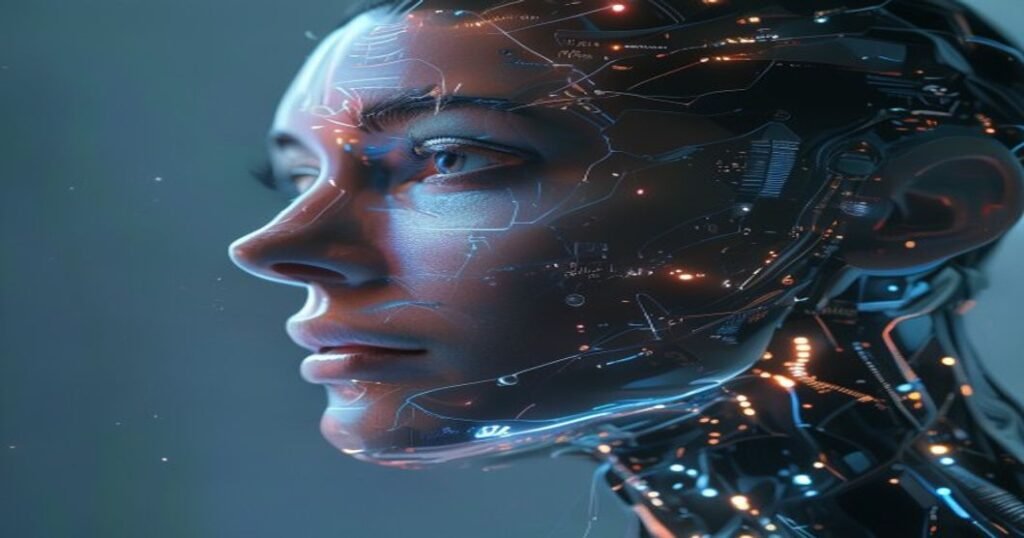

Welcome to 2026, a year where the whispers of artificial intelligence have transformed into a resounding symphony, fundamentally altering the very fabric of our daily existence. No longer a futuristic concept confined to sci-fi blockbusters, AI has seamlessly woven itself into the tapestry of human society, redefining everything from how we consume information to how we interact with the world around us. At the heart of this profound transformation lies a dual force: hyper-personalization and the pervasive influence of generative AI. Together, they are orchestrating a ‘reality shift’ – a world tailored so intimately to our preferences and data trails that the lines between objective truth and algorithmically curated experience blur with unprecedented fluidity.
As we navigate this new digital frontier, understanding the nuances of AI’s impact isn’t just an academic exercise; it’s a critical survival skill. From the content that fills our feeds to the services that anticipate our needs, AI in 2026 is an omnipresent architect, building a unique world for each of us. But what does this mean for authenticity, shared experiences, and our collective understanding of reality?
The Dawn of Ultra-Personalized Ecosystems
In 2026, hyper-personalization has moved beyond mere recommendations; it’s about anticipating needs before they even fully form, crafting bespoke digital and physical environments that mirror our desires with astonishing accuracy. Imagine waking up to a smart home ecosystem that has already adjusted its temperature based on your predicted morning routine, ordered your preferred coffee beans when supplies were low, and displayed news headlines curated not just for your interests, but for your current mood, detected through your smart devices. This isn’t magic; it’s the culmination of sophisticated AI algorithms processing vast datasets about our habits, preferences, and even biometric indicators.
This level of personalization is transforming every sector. In education, AI tutors adapt learning paths in real-time to a student’s individual pace and style, identifying knowledge gaps and providing targeted resources. In healthcare, personalized wellness plans powered by AI monitor vital signs, suggest dietary adjustments, and even flag potential health issues before symptoms manifest. The retail experience has become almost clairvoyant, with virtual stylists recommending entire outfits that perfectly match an individual’s style and upcoming events, all based on a comprehensive digital profile. It’s a world where every digital touchpoint feels handcrafted for you, by you, leading to unparalleled convenience and efficiency. For a deeper dive into how this phenomenon is unfolding, consider exploring how Beyond the Screen: How Hyper-Personalized AI is Reshaping Reality in 2026.
Navigating the Generative AI Tsunami
While hyper-personalization tailors existing content and services, generative AI, by 2026, has mastered the art of creation. It’s no longer just about generating realistic images or coherent text; modern generative AI models are producing entire musical compositions, drafting complex legal documents, designing architectural blueprints, and even developing new drug compounds. This technology has unleashed an explosion of creativity and automation, empowering individuals and businesses to achieve unprecedented levels of output and innovation.
Impact Across Industries:
- Entertainment: AI-driven scripts, virtual actors, and dynamic, interactive narratives are becoming commonplace, offering experiences previously unimaginable.
- Manufacturing: AI designs optimize product structures for material efficiency and durability, accelerating prototyping cycles from months to days.
- Software Development: AI assistants write, debug, and even optimize code, making software creation faster and more accessible.
- Marketing: Personalized ad campaigns are generated on the fly, tailored to individual user profiles, from visual aesthetics to copy, maximizing engagement.
The ubiquity of generative AI means that nearly every industry is undergoing a fundamental transformation. From the mundane tasks of summarization and data analysis to complex creative endeavors, AI is now an indispensable co-creator and accelerator. It’s truly a testament to how Generative AI Unleashed: How It’s Redefining Every Industry and Daily Life by 2026.
The Shifting Sands of Information: AI-Generated News and Media
Perhaps one of the most significant and contentious shifts in 2026 is the profound impact of generative AI on news and media consumption. The ability of AI to generate highly convincing text, audio, and video means that a substantial portion of the news and information we encounter online is no longer solely human-crafted. AI-powered news aggregators not only personalize headlines but can also draft entire articles, produce realistic news broadcasts with AI anchors, and even create ‘deepfake’ interviews that are virtually indistinguishable from genuine footage.
While this offers the promise of hyper-efficient news delivery and the ability to tailor information to individual learning styles, it also presents an unprecedented challenge to discerning truth from fabrication. The ease with which AI can create compelling narratives, regardless of their factual basis, demands a new level of media literacy from every citizen. Verifying sources, understanding algorithmic biases, and actively seeking diverse perspectives have become paramount. The digital landscape of 2026 is one where The Great Unveiling: Navigating Reality in the Age of AI-Generated News by 2026 has become a daily imperative, pushing us to critically evaluate everything we consume.
The Creator Economy Reimagined: AI as Muse and Manager
For independent artists, writers, musicians, and digital entrepreneurs, 2026 marks an unprecedented era of opportunity and transformation, thanks to AI. The creator economy, once limited by time, resources, and technical skill, is experiencing an AI-powered renaissance. Generative AI tools now allow a single creator to produce high-quality content across multiple mediums – from bespoke animations and personalized soundtracks to entire virtual worlds – at a fraction of the traditional cost and time.
How AI Empowers Creators:
- Content Generation: AI can assist in brainstorming ideas, drafting initial content, generating visual assets, and even composing background music, significantly accelerating the creative process.
- Audience Analysis: Sophisticated AI algorithms help creators understand their audience’s preferences, engagement patterns, and optimal content delivery times, leading to more impactful content.
- Monetization & Management: AI-powered tools automate administrative tasks, manage social media schedules, optimize pricing for digital products, and even personalize outreach to sponsors and collaborators.
- Accessibility: AI lowers the barrier to entry for creative fields, enabling individuals with minimal technical skills to produce professional-grade work.
This paradigm shift means that individual creators can compete with larger studios, fostering a more diverse and vibrant digital ecosystem. However, it also raises complex questions about intellectual property, originality, and the value of human touch in a world saturated with AI-generated art. Despite these challenges, it’s clear that The Creator Economy’s AI Renaissance: Thriving in 2026’s Digital Frontier is not just a trend, but a foundational change in how content is conceived, produced, and consumed.
Challenges and the Path Forward: Ensuring a Human-Centric AI Future
While the benefits of hyper-personalization and generative AI are undeniable, their pervasive integration into society in 2026 also presents formidable challenges. The creation of individual ‘filter bubbles’ or ‘echo chambers’ where algorithms reinforce existing beliefs and preferences could lead to further societal fragmentation, making empathy and shared understanding more difficult to foster. Algorithmic bias, if unchecked, can perpetuate and amplify existing societal inequalities, impacting everything from loan approvals to judicial decisions.
Data privacy remains a paramount concern. As AI systems ingest ever-increasing amounts of personal data to fuel hyper-personalization, questions about data ownership, security, and ethical usage become more pressing. The psychological impact of living in an ultra-tailored world, where the unexpected is minimized and the world reflects only our curated desires, also warrants careful consideration. Are we sacrificing genuine discovery and diverse perspectives for the sake of convenience and comfort?
Addressing these challenges requires a multi-faceted approach:
- Robust AI Governance: Governments and international bodies must collaborate to establish clear ethical guidelines, regulations, and auditing frameworks for AI development and deployment.
- Enhanced Digital Literacy: Educational systems must prioritize teaching critical thinking, media discernment, and the fundamental workings of AI to empower citizens.
- Transparency and Explainability: AI systems need to be more transparent, allowing users to understand how decisions are made and how their data is being used.
- Human Oversight: Maintaining human oversight in critical decision-making processes, particularly where AI impacts human lives and rights, is non-negotiable.
- Focus on Ethical AI Development: Prioritizing fairness, accountability, and privacy in the design and training of AI models.
Conclusion: Embracing the AI Era with Intent
2026 stands as a pivotal year in the AI revolution. Hyper-personalization and generative AI are not just technological advancements; they are cultural forces that are fundamentally reshaping our reality. They promise unparalleled convenience, efficiency, and creative potential, but they also demand a heightened sense of responsibility, critical engagement, and ethical vigilance from individuals, industries, and governments alike. The challenge before us is not to resist this inevitable tide, but to steer it with intent – to harness AI’s transformative power in a way that enriches human experience, preserves shared reality, and fosters a more inclusive and informed global society. The future isn’t just happening to us; it’s being built by us, in collaboration with intelligent machines, and the choices we make today will define the contours of tomorrow’s world.


